
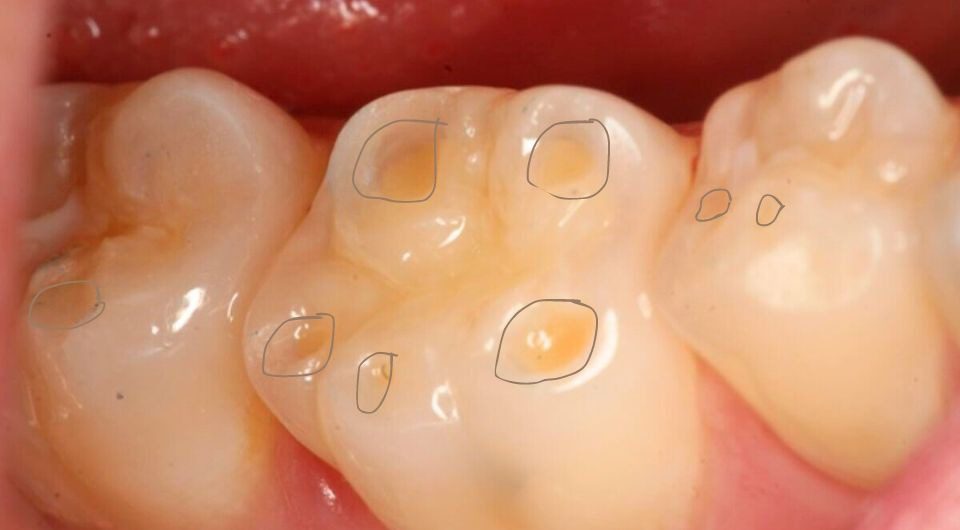
What is Tooth Erosion?
Tooth erosion is a dental condition characterized by the gradual loss of tooth enamel, the hard, outer layer that protects teeth from decay and sensitivity. Unlike cavities, which are caused by bacteria that produce acid and lead to holes in the teeth, tooth erosion occurs when acids wear away the enamel directly. These acids can arise from a variety of sources, including dietary habits, acid reflux, and certain medical conditions. Understanding the distinction between tooth erosion and other dental issues is essential for effective oral health management.
The process of tooth erosion often goes unnoticed in its early stages, as enamel does not regenerate once lost. As enamel thins, the underlying dentin may become exposed, leading to increased sensitivity and aesthetic concerns due to discoloration. Individuals experiencing tooth erosion may notice that their teeth appear more transparent at the edges or that they have developed jagged edges. Furthermore, the erosion can predispose teeth to further complications, including an elevated risk of cavities and infections.
Recognizing the causes of tooth erosion is vital for prevention and treatment. Common culprits include excessive consumption of acidic foods and beverages, such as citrus fruits and soda, as well as lifestyle factors like frequent vomiting, dry mouth, and prolonged use of certain medications. Moreover, an understanding of one’s oral hygiene routine and dietary habits plays a critical role in mitigating the risks associated with tooth erosion. By addressing these factors, individuals can take proactive steps to protect their enamel and maintain overall dental health.
Common Causes of Tooth Erosion
Tooth erosion, a progressive loss of dental enamel, can be attributed to a variety of factors that encompass dietary choices, lifestyle habits, and medical conditions. Understanding these causes is vital for preventing and managing this condition.
A primary contributor to tooth erosion is the consumption of acidic foods and beverages. Common items like citrus fruits, sodas, and vinegar-based dressings can erode enamel over time. These acids can lower the pH in the mouth, leading to demineralization of the tooth structure. Frequent snacking on such acidic items can also exacerbate the issue, as it prolongs the exposure of teeth to harmful acids.
Another significant factor is lifestyle habits such as teeth grinding, also known as bruxism. Individuals who grind their teeth, whether during the day or at night, exert excessive pressure on the enamel, leading to its wear. Stress and anxiety often contribute to this habit, which not only affects enamel health but can also lead to other dental problems like jaw pain.
Poor oral hygiene practices can further complicate the issue of tooth erosion. Neglecting regular brushing and flossing allows plaque to build up, which harbors bacteria that produce acids weakening the enamel. It is essential to maintain a diligent oral care regimen to combat these harmful effects effectively.
Additionally, certain medical conditions, particularly gastroesophageal reflux disease (GERD) and bulimia, are known to contribute to tooth erosion. In GERD, stomach acids frequently flow back into the mouth, exposing teeth to harmful acidity. In bulimia, the act of vomiting introduces stomach acids directly to the teeth, leading to a rapid erosion of enamel.
In summary, various dietary choices, lifestyle habits, and medical conditions play a crucial role in the development of tooth erosion. Awareness of these factors can aid in taking proactive steps to protect the integrity of your dental health.
Signs and Symptoms of Tooth Erosion
Tooth erosion is a gradual process that can significantly impact dental health, and recognizing the signs and symptoms early is crucial. One of the primary indicators of tooth erosion is increased tooth sensitivity. Individuals may experience discomfort or a sharp pain when consuming hot, cold, or sweet foods and beverages. This heightened sensitivity occurs because the protective enamel layer wears away, exposing the sensitive layers of the tooth beneath.
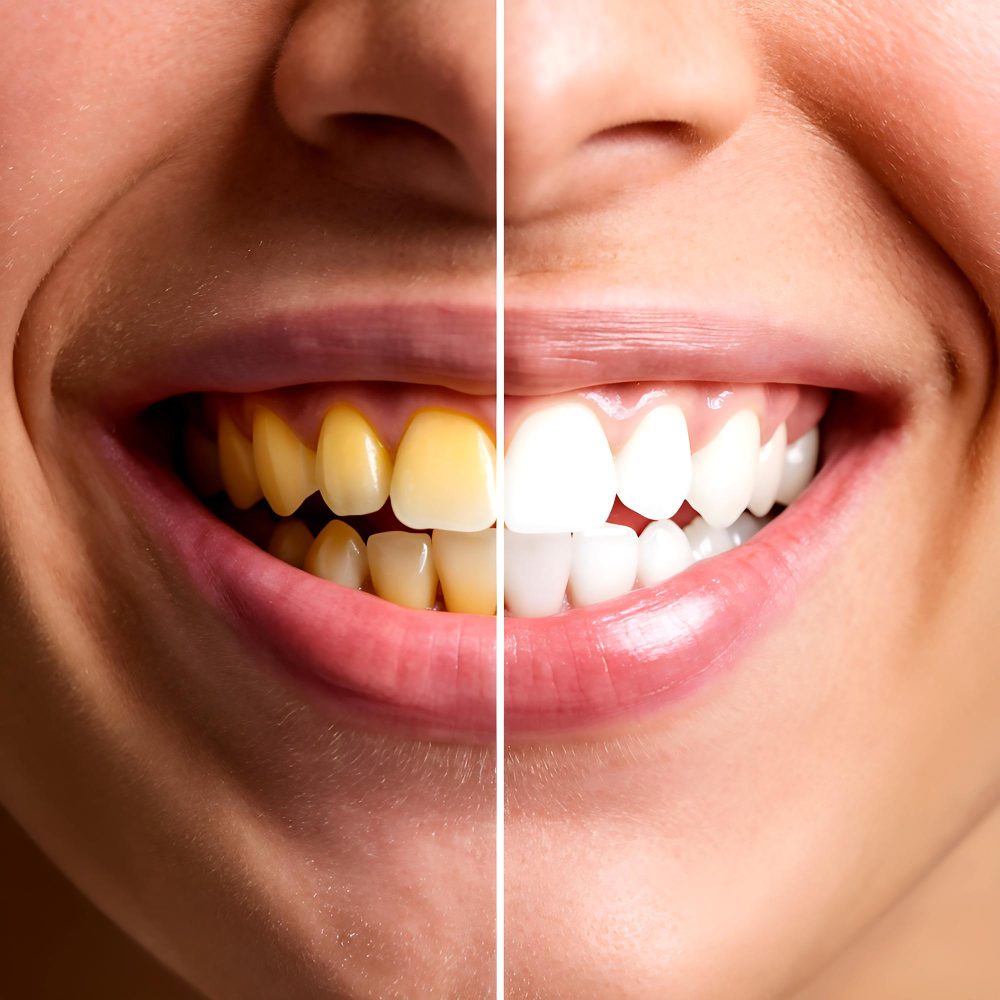
Another noticeable symptom of tooth erosion is discoloration. As the enamel erodes, the underlying dentin, which is typically darker in color, may become visible, leading to a yellowish or brownish appearance of the teeth. This change in color might be more pronounced in certain areas, making it a significant sign that erosion is occurring.
Additionally, people may observe the development of indentations on the surface of their teeth. These shallow grooves or notches can form along the gum line or along the biting surfaces, indicating the gradual loss of enamel. Over time, these indentations can become more pronounced if tooth erosion is not addressed, leading to further complications.
Addressing these symptoms early on is critical for maintaining oral health. Regular dental check-ups can help detect signs of erosion before they worsen, allowing for interventions that can prevent further damage. It is essential to remain vigilant about any changes in tooth sensitivity, discoloration, or the appearance of indentations. By recognizing these early indicators, individuals can take proactive steps to protect their teeth and seek appropriate treatments.
Preventing and Treating Tooth Erosion
Tooth erosion is a significant dental issue that can lead to various complications. Preventing this condition involves adopting specific dietary habits and practicing proper dental hygiene. One effective strategy is to limit the intake of acidic foods and beverages, such as citrus fruits, sodas, and sports drinks, which can wear down tooth enamel. Instead, opting for neutral or alkaline options can help protect teeth. Additionally, consuming dairy products can aid in neutralizing acid levels in the mouth, further preventing enamel erosion.
Proper dental hygiene plays a crucial role in combating tooth erosion. Regular brushing with a fluoride toothpaste is recommended, as fluoride can help strengthen enamel and make it more resistant to acid attacks. It is equally important to floss daily, as this helps remove plaque buildup and prevent cavities that can exacerbate erosion. Furthermore, rinsing the mouth with water after consuming acidic foods and drinks can help neutralize the acid and promote oral health.
For individuals who already experience tooth erosion, seeking professional treatment is vital. Treatments may include dental bonding, crowns, or veneers, which can restore the affected teeth and protect them from further damage. Visiting a dental clinic is highly beneficial, as dental professionals can provide tailored advice and effective solutions to treat existing erosion.
Dr. Abdul Rahman Ozturk’s clinic in Istanbul, Turkey, is renowned for its commitment to oral health. Equipped with advanced technologies, the clinic offers comprehensive services for individuals facing tooth erosion and other dental issues. Their expert team is dedicated to providing high-quality care, ensuring that patients receive the best possible solutions for preventing further enamel damage.











2 Responses