Introduction
Oral thrush is one of the most common conditions affecting the mouth in both children and adults. Although many people assume it is simply a harmless white coating inside the mouth, it can actually be a sign of an imbalance in the natural microorganisms that normally live in the oral cavity.
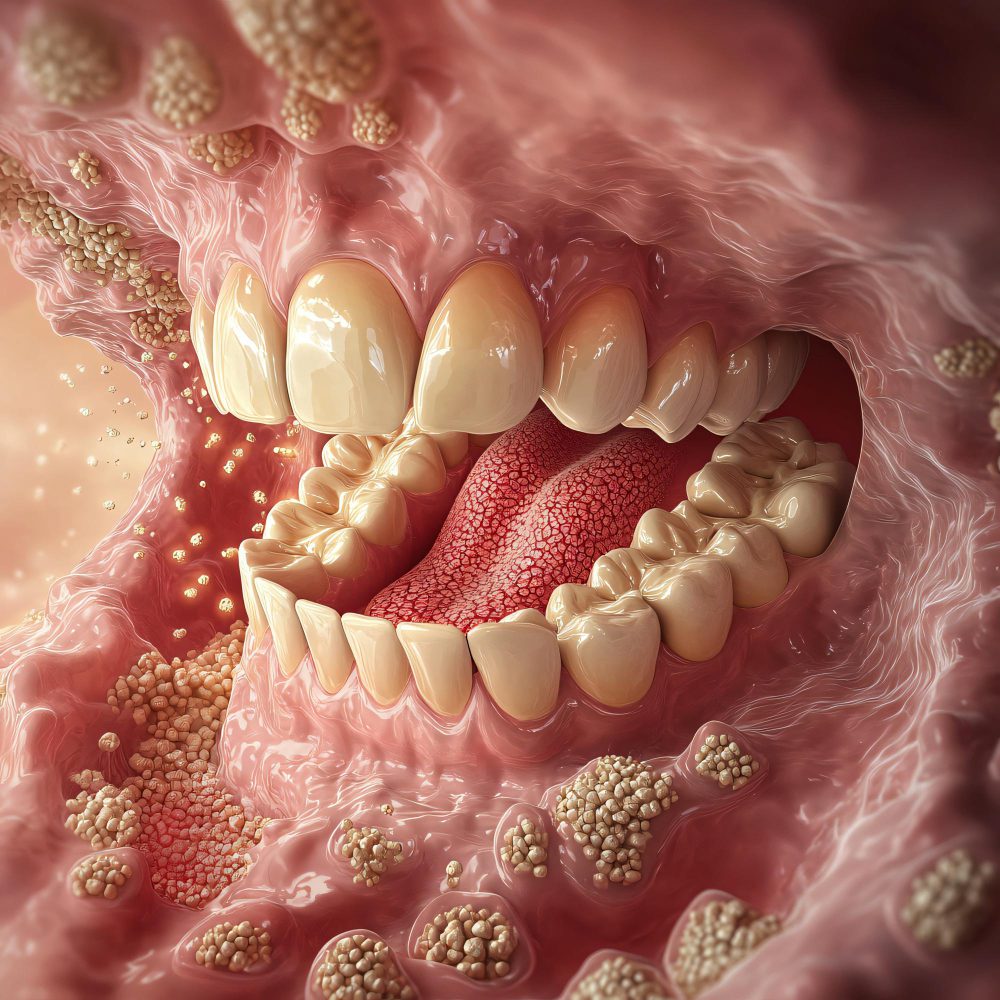
The condition is characterized by the appearance of white or creamy patches on the tongue, inner cheeks, roof of the mouth, or other oral tissues. It may also be accompanied by burning sensations, discomfort, pain, or difficulty eating and drinking.
At Dr. Abdurrahman Ozturk Dental Clinic in Istanbul, Turkey, oral and dental diseases are diagnosed and treated using the latest technologies and evidence-based approaches. The clinic focuses on identifying the underlying cause of the condition and providing personalized treatment plans, making it one of the leading dental clinics in Turkey for advanced oral healthcare.
What Is Oral Thrush?
Oral thrush, also known as oral candidiasis, is a fungal infection that affects the mucous membranes inside the mouth. It occurs when the fungus Candida albicans, which naturally exists in the mouth, grows excessively.
Under normal circumstances, the immune system and beneficial bacteria help keep Candida under control. However, when this balance is disrupted, the fungus can multiply rapidly and cause noticeable symptoms.
What Causes Oral Thrush?
Several factors can increase the risk of developing oral thrush, including:
1. A Weakened Immune System
People with compromised immune systems are more susceptible, including:
- Cancer patients.
- Individuals with HIV/AIDS.
- Patients taking immunosuppressive medications.
2. Long-Term Antibiotic Use
Antibiotics can eliminate beneficial bacteria in the mouth, allowing fungal organisms to overgrow.
3. Diabetes
Especially when blood sugar levels are poorly controlled, creating an environment that promotes fungal growth.
4. Dry Mouth
Saliva helps maintain a healthy balance within the mouth. Reduced saliva production increases the risk of fungal infections.
5. Dentures
Particularly when dentures are not cleaned properly or are worn continuously without adequate rest periods.
6. Smoking
Studies have shown that smokers are at a significantly higher risk of developing oral thrush compared to non-smokers.
Symptoms of Oral Thrush
Symptoms may vary from person to person, but the most common signs include:
- White patches on the tongue.
- White patches inside the cheeks.
- Redness inside the mouth.
- Burning or soreness.
- Difficulty chewing or swallowing.
- Cracking at the corners of the mouth.
- Altered taste sensation.
- Mild bleeding when white patches are scraped away.
What Does Oral Thrush Look Like?
Oral thrush commonly appears as follows:
| Area | Appearance |
|---|---|
| Tongue | White coating or scattered white patches |
| Inner Cheeks | Thick white plaques |
| Roof of the Mouth | White painful areas |
| Gums | Redness and irritation |
| Corners of the Mouth | Cracks and inflammation |
Is Oral Thrush Contagious?
In most cases, oral thrush is not considered highly contagious among healthy individuals.
However, transmission may occur in certain situations, including:
- Between a mother and infant during breastfeeding.
- Among individuals with weakened immune systems.
- Through sharing contaminated personal items.
Who Is Most at Risk?
The groups most commonly affected include:
- Infants.
- Older adults.
- People with diabetes.
- Denture wearers.
- Smokers.
- Individuals with weakened immune systems.
- People suffering from dry mouth.
How Is Oral Thrush Diagnosed?
A dentist typically diagnoses oral thrush through:
Clinical Examination
The appearance of the characteristic white patches is often sufficient for diagnosis.
Laboratory Swab
In uncertain or recurrent cases, a sample may be collected for laboratory analysis.
Additional Testing
Further medical investigations may be recommended when an underlying immune disorder or systemic condition is suspected.
Treatment Options for Oral Thrush
Treatment depends on the severity of the infection and its underlying cause.
1. Antifungal Medications
These are the most common treatment options and may include:
- Antifungal mouth rinses.
- Lozenges.
- Oral antifungal medications for severe cases.
2. Improving Oral Hygiene
Patients are advised to:
- Brush their teeth twice daily.
- Clean their tongue regularly.
- Use dental floss.
3. Treating the Underlying Cause
This may involve:
- Controlling diabetes.
- Managing dry mouth.
- Adjusting medications when appropriate.
4. Proper Denture Care
Dentures should be removed at night and cleaned thoroughly every day.
Can Oral Thrush Be Treated at Home?
Certain home-care measures may help relieve symptoms, including:
- Rinsing with warm salt water.
- Drinking plenty of water.
- Reducing sugar intake.
- Avoiding smoking.
- Maintaining excellent oral hygiene.
However, home remedies should not replace professional treatment if symptoms persist.
What Happens If Oral Thrush Is Left Untreated?
Ignoring oral thrush may lead to:
- Increased discomfort and pain.
- Spread of the infection.
- Difficulty eating and drinking.
- Recurrent infections.
- Extension of the infection to other areas in individuals with weakened immune systems.
The Difference Between Oral Thrush and Mouth Ulcers
| Oral Thrush | Mouth Ulcers |
| Fungal white patches | Painful sores |
| Caused by fungal overgrowth | Multiple possible causes |
| Can spread within the mouth | Usually localized |
| Requires antifungal treatment | Requires different treatment approaches |
How Can Oral Thrush Be Prevented?
To reduce the risk of developing oral thrush:
- Brush your teeth regularly.
- Clean your tongue daily.
- Stop smoking.
- Maintain healthy blood sugar levels.
- Clean dentures properly.
- Drink adequate amounts of water.
- Visit your dentist regularly.
When Should You Visit a Dentist?
You should seek professional dental care if:
- White patches persist for more than two weeks.
- Severe pain develops.
- The condition recurs frequently.
- You experience difficulty swallowing.
- You have a weakened immune system.
Why Choose Dr. Abdurrahman Ozturk Dental Clinic?
Dr. Abdurrahman Ozturk Dental Clinic is considered one of the leading dental clinics in Istanbul, Turkey, offering:
- Advanced oral disease diagnostics.
- Comprehensive treatment for oral and gum conditions.
- State-of-the-art imaging and diagnostic technologies.
- Personalized treatment plans.
- Extensive experience in cosmetic and restorative dentistry.
- Continuous follow-up care after treatment.
The clinic focuses on identifying and treating the root cause of oral health problems rather than simply managing symptoms, helping to reduce the likelihood of recurrence.
Frequently Asked Questions
Is Oral Thrush Serious?
In healthy individuals, oral thrush is usually not serious. However, prompt treatment is important for people with weakened immune systems.
Can Oral Thrush Cause Bad Breath?
Yes. In some cases, oral thrush may contribute to unpleasant breath odor.
How Long Does Treatment Take?
Most patients notice significant improvement within one to two weeks after starting appropriate treatment.
Can Oral Thrush Return After Treatment?
Yes. If the underlying cause is not addressed, the infection may recur.
Can Oral Thrush Be Completely Prevented?
While prevention cannot be guaranteed, maintaining good oral hygiene significantly reduces the risk.
Conclusion
Oral thrush is one of the most common oral health conditions, and in most cases it can be treated successfully when diagnosed early. Understanding its causes and risk factors plays a major role in prevention and reducing the likelihood of recurrence. White patches, burning sensations, or persistent oral discomfort should never be ignored, especially if symptoms continue for an extended period.
If you are experiencing symptoms of oral thrush or any other oral health concern, Dr. Abdurrahman Ozturk Dental Clinic in Istanbul offers advanced diagnosis and treatment using the latest technologies. The clinic is committed to preserving oral health, restoring comfort, and delivering outstanding functional and aesthetic results.