Introduction
The question “Is fluoride safe for teeth?” is one of the most common questions patients ask, especially parents who want to protect their children’s teeth from cavities but still feel concerned about using preventive dental treatments.
In reality, fluoride (Fluoride) is one of the most widely used and trusted ingredients in preventive dentistry. It is found in toothpastes, professional varnishes, gels, mouth rinses, and in-office dental treatments designed to protect the teeth from decay.
The main role of fluoride (Fluoride) is to strengthen tooth enamel (Tooth Enamel), make it more resistant to acids, and reduce the risk of dental caries (Dental Caries). When used correctly and in the right amount, fluoride can be a safe and effective way to protect both children’s and adults’ teeth.
In Turkey, especially in Istanbul, many patients choose modern dental clinics for preventive care, cosmetic dentistry, and advanced dental treatments. Dr. Abdurrahman Öztürk Clinic is considered one of the best dental clinics in Turkey, Istanbul for dental care, cavity prevention, fluoride treatment, aesthetic dentistry, and comprehensive dental diagnosis.
What Is Fluoride?
Fluoride (Fluoride) is a natural mineral form of the element fluorine. It exists naturally in water, soil, and some foods, and it is widely used in dentistry to help strengthen the teeth.
In dental care, fluoride (Fluoride) helps protect tooth enamel (Tooth Enamel) from acid attacks that occur after consuming sugar and carbohydrates.
When bacteria in the mouth break down sugar, they produce acids. These acids gradually remove minerals from the enamel. This process is called demineralization (Demineralization). Fluoride helps slow this process and supports the opposite process, known as remineralization (Remineralization), which means restoring minerals back into the enamel structure.
This is why fluoride treatment (Fluoride Treatment) is often recommended for patients with a high risk of cavities, children, patients with tooth sensitivity, people with dry mouth, and those who already have multiple fillings.
Is Fluoride Safe for Teeth?
Yes, when used correctly, fluoride for teeth (Fluoride for Teeth) is considered safe and effective for preventing cavities. The most important point is that safety depends on the correct dose, the patient’s age, the method of application, and the dentist’s recommendations.
Professional fluoride products such as fluoride varnish (Fluoride Varnish), fluoride gel (Fluoride Gel), and prescription-strength toothpastes are applied in a controlled way. The dentist chooses the right product and amount based on the patient’s cavity risk, age, enamel condition, and oral health needs.
For most patients, fluoride treatment (Fluoride Treatment) is painless, does not require anesthesia, and takes only a few minutes. However, like any preventive dental procedure, it should be performed according to the patient’s individual dental condition and overall health.
How Does Fluoride Protect Teeth from Cavities?
Fluoride (Fluoride) works in several ways. Its role is especially important in the early stages of tooth decay, when the enamel can still be strengthened before a cavity becomes deep enough to require drilling and filling.
1. Fluoride Strengthens Tooth Enamel (Tooth Enamel)
Fluoride helps make the tooth surface more resistant to acids. The stronger the enamel is, the lower the risk of cavity formation.
2. Fluoride Supports Remineralization (Remineralization)
When enamel loses minerals, fluoride (Fluoride) helps bring minerals back into the tooth structure. This is especially important when early white spots appear on the teeth.
3. Fluoride Slows Demineralization (Demineralization)
Fluoride reduces the speed at which enamel breaks down under the effect of acids produced by bacteria and sugar.
4. Fluoride Helps Control Dental Caries (Dental Caries)
Fluoride can help reduce the risk of cavities and may support the repair of very early enamel damage before it becomes a deep cavity.
Who Can Benefit Most from Fluoride Treatment?
Fluoride treatment (Fluoride Treatment) can be helpful not only for children but also for adults. Many people mistakenly think fluoride is only for children, but the risk of cavities can be high at any age.
Fluoride treatment may be recommended for:
- Frequent dental caries (Dental Caries)
- Weak or thin tooth enamel (Tooth Enamel)
- Tooth sensitivity
- Patients wearing braces
- Dry mouth
- Multiple fillings
- Frequent consumption of sweet drinks
- Poor oral hygiene
- Gum recession
- Exposed tooth roots
- Children and teenagers
- After professional dental cleaning
- Patients with a high cavity risk according to the dentist’s evaluation
At Dr. Abdurrahman Öztürk Clinic in Istanbul, the dentist first examines the patient, evaluates the enamel, gums, fillings, bite, and cavity risk level. After that, the dentist decides whether fluoride treatment (Fluoride Treatment) is needed and which type is most suitable.
Types of Fluoride Used in Dentistry
Fluoride can be used in several forms. The best option depends on the patient’s age, tooth condition, and risk of cavities.
1. Fluoride Toothpaste (Fluoride Toothpaste)
This is the most common method for daily tooth protection. Toothpaste with fluoride helps strengthen enamel when used regularly.
Brushing twice a day with a fluoride toothpaste is one of the most important habits for preventing cavities and maintaining healthy teeth.
2. Fluoride Varnish (Fluoride Varnish)
Fluoride varnish (Fluoride Varnish) is applied by the dentist directly onto the surface of the teeth. It sticks quickly to the enamel and releases fluoride gradually.
This option is commonly used for children and patients with a high risk of cavities.
3. Fluoride Gel (Fluoride Gel)
Fluoride gel (Fluoride Gel) may be applied in the dental clinic using special trays. It is usually used for patients who need stronger preventive protection.
4. Fluoride Foam (Fluoride Foam)
Fluoride foam is another professional option. It is similar to fluoride gel but has a different texture and is used according to the patient’s needs.
5. Fluoride Mouthrinse (Fluoride Mouthrinse)
A fluoride mouthrinse (Fluoride Mouthrinse) may be recommended for some older patients, especially those with a higher risk of cavities. However, young children should not use fluoride mouth rinses without a dentist’s supervision because they may swallow the liquid.
6. Prescription-Strength Fluoride (Prescription-Strength Fluoride)
These are special toothpastes, gels, or rinses prescribed by the dentist for patients with a high risk of cavities.
Fluoride Treatment for Children: Is It Safe?
Yes, fluoride treatment for children (Fluoride Treatment for Children) is considered safe when it is applied correctly and in the appropriate amount.
Fluoride is especially important for children because baby teeth and newly erupted permanent teeth are more vulnerable to cavities.
However, parents should follow important safety rules:
- Use the right amount of toothpaste for the child’s age
- Do not allow the child to swallow toothpaste
- Apply professional fluoride only based on a dentist’s recommendation
- Do not use several strong fluoride products at the same time without supervision
- Visit a pediatric dentist regularly
For younger children, dentists often prefer fluoride varnish (Fluoride Varnish) because it is applied in a controlled and localized way in the dental clinic.
Can Adults Have Fluoride Treatment?
Yes. Fluoride treatment for adults (Fluoride Treatment for Adults) can be very helpful.
Adults may develop several risk factors that increase the chance of cavities, such as:
- Exposed tooth roots
- Gum recession
- Old fillings
- Dry mouth
- Crowns, bridges, or dentures
- Orthodontic treatment
- Frequent snacking
- Coffee, sweet drinks, and acidic foods
- Difficulty maintaining oral hygiene
For adults, fluoride (Fluoride) can help reduce cavity risk, decrease sensitivity, and strengthen enamel areas that have started losing minerals.
Fluoride and Tooth Sensitivity
Tooth sensitivity may occur because of thin enamel, exposed roots, microcracks, gum recession, or after dental procedures. Fluoride (Fluoride) can help strengthen the surface of the tooth and reduce sensitivity to cold, hot, sweet, or acidic foods and drinks.
However, it is important to understand that if sensitivity is severe or appears suddenly, fluoride alone may not be enough. The real cause must be diagnosed.
Sometimes tooth sensitivity may be caused by:
- Cavities
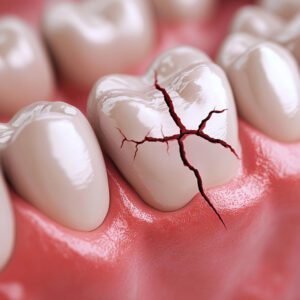
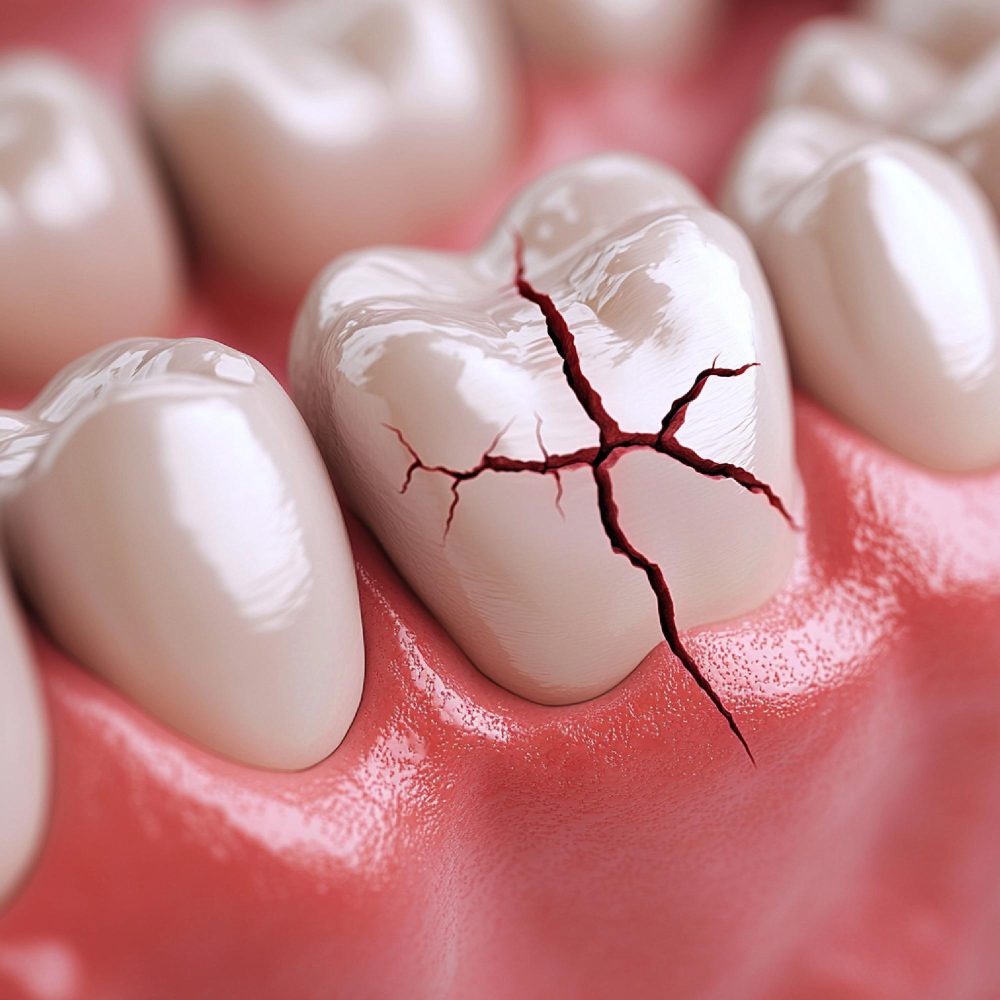
- A cracked tooth
- Nerve inflammation
- An improper filling
- Tooth wear
- Gum disease
In these cases, Dr. Abdurrahman Öztürk Clinic provides diagnosis first, then chooses the most suitable treatment plan.
Are There Any Risks of Fluoride?
When used correctly, fluoride for teeth (Fluoride for Teeth) is safe. The main risks are usually related to excessive fluoride use, especially in young children while permanent teeth are still developing.
1. Dental Fluorosis (Dental Fluorosis)
Dental fluorosis (Dental Fluorosis) may occur if a child receives too much fluoride for a long period during the development of permanent teeth. Mild fluorosis usually appears as white spots on the enamel.
This is why children should use the correct amount of toothpaste and should not swallow it.
2. Stomach Irritation if Swallowed in Large Amounts
If a large amount of fluoride product is swallowed, it may cause nausea or stomach discomfort. For this reason, professional fluoride products should be applied by a dentist.
3. Incorrect Self-Use
Using strong fluoride gels or rinses without a dentist’s recommendation may be unnecessary or unsuitable. It is better to choose fluoride products after a dental examination.
What Is the Difference Between Fluoride Treatment and Regular Dental Cleaning?
Professional cleaning and fluoride treatment (Fluoride Treatment) are different procedures.
| Procedure | Purpose |
|---|---|
| Professional Dental Cleaning (Professional Dental Cleaning) | Removes plaque, tartar, and stains |
| Fluoride Treatment (Fluoride Treatment) | Strengthens enamel and helps prevent cavities |
| Tooth Polishing (Tooth Polishing) | Smooths the tooth surface after cleaning |
| Remineralization (Remineralization) | Helps restore mineral balance in enamel |
Fluoride is often applied after professional dental cleaning because the tooth surface is cleaner and more ready to receive preventive care.
How Is Fluoride Treatment Applied?
The procedure is usually simple and quick.
Step 1: Dental Examination
The dentist checks the enamel, cavities, fillings, sensitivity, and risk factors.
Step 2: Cleaning the Tooth Surface
The teeth are cleaned from plaque so fluoride can contact the enamel more effectively.
Step 3: Applying Fluoride
The dentist applies fluoride varnish (Fluoride Varnish), gel, foam, or another suitable product to the teeth.
Step 4: Instructions After Treatment
The patient receives instructions about when to eat, drink, brush, and which foods to avoid temporarily.
Usually, the procedure is painless and does not require anesthesia.
What Should You Avoid After Fluoride Treatment?
Instructions may vary depending on the type of fluoride used, but patients are commonly advised to:
- Avoid eating or drinking for a short period after treatment
- Temporarily avoid hard or sticky foods
- Avoid brushing immediately after varnish application if the dentist recommends it
- Avoid strong mouth rinses
- Follow the dentist’s instructions carefully
If the treatment is done for a child, parents should make sure the child does not intentionally lick or swallow the product.
How Often Should You Have Fluoride Treatment?
The frequency depends on the patient’s cavity risk. Some patients only need regular fluoride toothpaste, while others may need professional fluoride treatment two to four times a year.
Fluoride treatment may be needed more often for:
- Children with a high risk of cavities
- Patients with braces
- People with dry mouth
- Patients with frequent cavities
- People with exposed tooth roots
- Patients after professional dental cleaning
- Early signs of demineralization
The decision should be made by a dentist after examination.
Can Fluoride Replace Cavity Treatment?
No. Fluoride (Fluoride) is a preventive and supportive treatment, but it does not replace treatment for deep cavities.
Fluoride may help with:
- Early demineralization
- White spots on enamel
- High cavity risk
- Prevention of new cavities
- Enamel strengthening
However, if there is already a hole, pain, infection, or tooth destruction, the patient may need a filling, root canal treatment, or another dental procedure.
Fluoride, Diet, and Sugar: Why Are They Connected?
Even the best fluoride (Fluoride) treatment cannot fully protect the teeth if a person consumes sugar frequently and does not clean the teeth well.
Cavities develop because of several combined factors:
- Bacteria in the mouth
- Sugar and frequent snacking
- Poor oral hygiene
- Mineral loss
- Dry mouth
- Individual enamel structure
- Lack of preventive checkups
The best protection is a complete approach:
- Brush teeth twice daily
- Use fluoride toothpaste
- Reduce sugar intake
- Visit the dentist regularly
- Have professional dental cleaning
- Use fluoride treatment when needed
- Treat problems early
Who Should Be More Careful with Fluoride?
Fluoride is safe when used correctly, but some patients should follow the dentist’s instructions carefully, including:
- Young children
- Patients who tend to swallow toothpaste or mouthrinse
- People with rare allergies to ingredients in dental products
- Patients using several fluoride products at the same time
- People with special medical conditions who have individual restrictions from their doctor
If there is any doubt, it is better to discuss fluoride use with the dentist before treatment.
Why Is Professional Fluoride Treatment Important?
Professional fluoride treatment (Fluoride Treatment) is different from home care because the dentist can:
- Evaluate cavity risk
- Choose the right fluoride form
- Control the dose
- Protect soft tissues
- Give correct instructions
- Check for hidden cavities
- Combine prevention with a complete dental care plan
At Dr. Abdurrahman Öztürk Clinic in Istanbul, fluoride treatment is performed as part of comprehensive preventive dental care. This is especially important for patients who do not want only temporary enamel strengthening, but a clear plan to protect their teeth from cavities.
Why Choose Dr. Abdurrahman Öztürk Clinic in Turkey, Istanbul?
Dr. Abdurrahman Öztürk Clinic is considered one of the best clinics in Turkey, Istanbul for dental care, preventive dentistry, cosmetic treatment, dental implants, and comprehensive diagnosis.
Clinic Advantages
1. Comprehensive Diagnosis
Before treatment, the dentist evaluates not only the teeth but also the gums, bite, fillings, crowns, cavity risk, and sensitivity.
2. Personalized Approach
Not every patient needs the same procedure. The preventive care plan is selected individually according to each patient’s needs.
3. Modern Dental Care Methods
The clinic uses modern dental solutions for cavity prevention, enamel protection, and long-term oral health.
4. Suitable for International Patients
Istanbul is a popular destination for dental treatment. Patients from different countries choose Turkey because of the combination of quality, experience, and accessibility.
5. Focus on Long-Term Dental Health
The goal is not only one procedure, but creating a correct dental care system that helps preserve healthy teeth for many years.
Frequently Asked Questions About Fluoride for Teeth
Is fluoride safe for teeth?
Yes. Fluoride (Fluoride) is considered safe and effective when used correctly. It helps strengthen enamel and reduce the risk of cavities.
Can children have fluoride treatment?
Yes. Children can have fluoride treatment (Fluoride Treatment) based on the dentist’s recommendation. Fluoride varnish (Fluoride Varnish) is commonly used for children.
Is fluoride harmful to the body?
When used in the correct amount, fluoride is safe. Risks are usually related to excessive use or swallowing large amounts of fluoride products.
Is fluoride treatment painful?
No. The procedure is usually painless, does not require anesthesia, and takes only a few minutes.
Does fluoride help prevent cavities?
Yes. Fluoride (Fluoride) helps strengthen tooth enamel (Tooth Enamel), supports remineralization (Remineralization), and reduces the risk of dental caries (Dental Caries).
How often should fluoride treatment be done?
It depends on the patient’s cavity risk. Some patients only need fluoride toothpaste, while others may need professional fluoride treatment several times a year.
Can I eat after fluoride treatment?
The dentist usually gives exact instructions. Depending on the fluoride product used, you may need to avoid eating or drinking for a short time.
Can fluoride replace a filling?
No. If a cavity has already formed a hole in the tooth, fluoride cannot replace a filling. It is mainly used for prevention and early enamel strengthening.
Who needs fluoride the most?
Fluoride may be especially useful for children, patients with frequent cavities, patients with braces, people with dry mouth, tooth sensitivity, or weak enamel.
Where can I get fluoride treatment in Istanbul?
At Dr. Abdurrahman Öztürk Clinic in Turkey, Istanbul, patients can receive a full dental examination, cavity risk assessment, and a personalized preventive dental care program.
Conclusion
So, is fluoride safe for teeth? Yes. When used correctly, fluoride (Fluoride) is a safe and effective way to help prevent cavities. It strengthens tooth enamel (Tooth Enamel), supports remineralization (Remineralization), and reduces the risk of tooth decay.
However, fluoride should be used properly. Children need the right amount, adults need individual cavity risk assessment, and professional fluoride products should be used under dental supervision.
If you want to protect your teeth from cavities, reduce sensitivity, and strengthen enamel, Dr. Abdurrahman Öztürk Clinic in Turkey, Istanbul offers a modern approach to preventive dentistry, accurate diagnosis, and personalized care plans. This makes the clinic one of the best options for patients seeking high-quality dental care and safe tooth protection.