Introduction
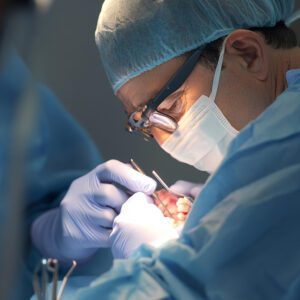
Bone graft surgery is no longer a complex or intimidating procedure—it is now a core pillar of modern implant dentistry. With the rise of advanced digital planning and regenerative medicine, patients who were once told they were “not eligible for dental implants” can now successfully restore their smiles.
In global dental tourism, Turkey—especially Istanbul—has become a top destination for advanced bone grafting procedures thanks to expert clinicians and cutting-edge technology. Among the leading names in this field is Dr. Abdurrahman Ozturk, recognized for delivering exceptional results in complex bone regeneration and implant cases.
What Is Bone Graft Surgery?
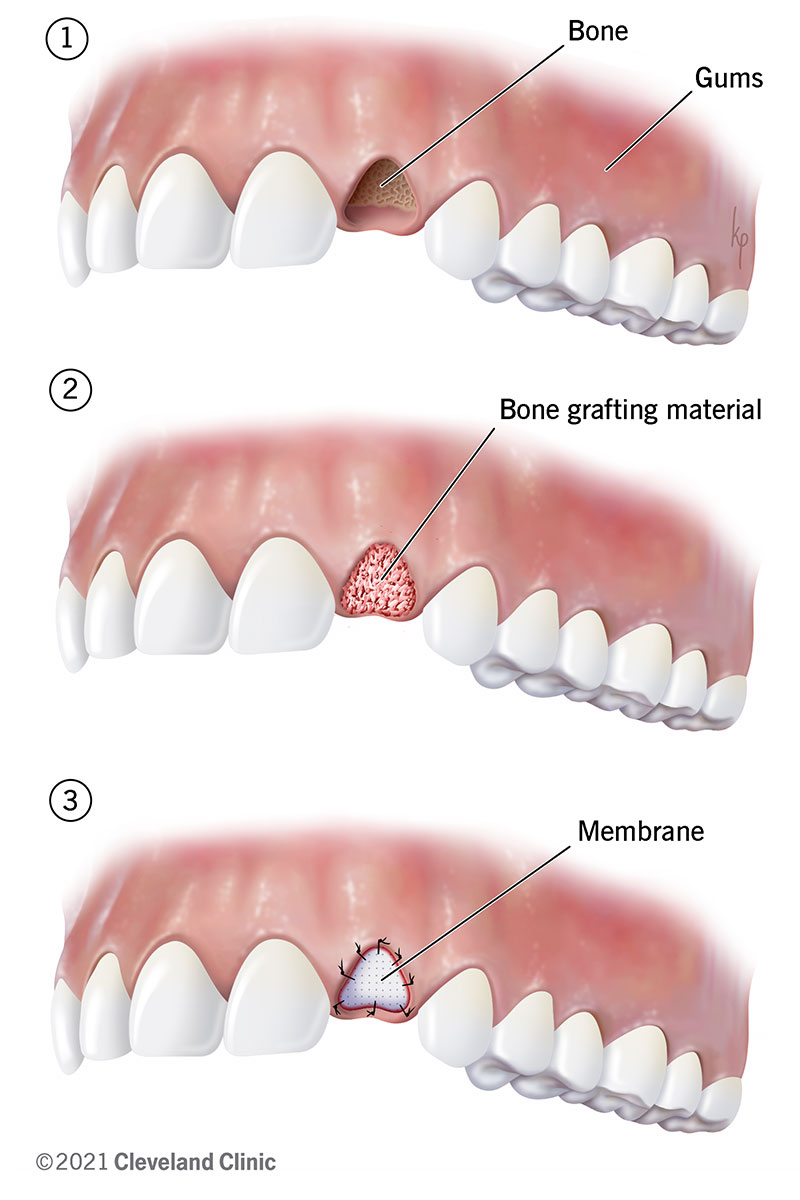
Bone graft surgery is a regenerative procedure used to restore or increase bone volume in areas where bone has been lost or is insufficient.
In dentistry, it is most commonly performed in the jaw to:
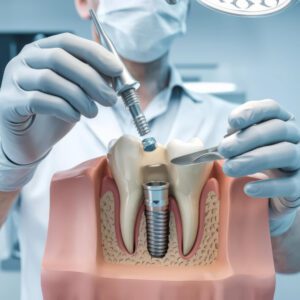
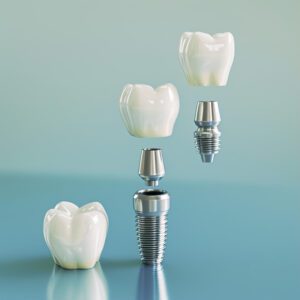
- Support dental implants
- Restore facial structure
- Improve oral function
How It Works (Scientific Explanation)
Bone graft material acts as a biological scaffold (osteoconduction) that:
- Stimulates new bone formation (osteogenesis)
- Encourages surrounding cells to grow (oste oinduction)
- Integrates with natural bone over time
This process is known as bone remodeling, and it can take several months depending on the case.
Why Do Patients Need Bone Grafting?
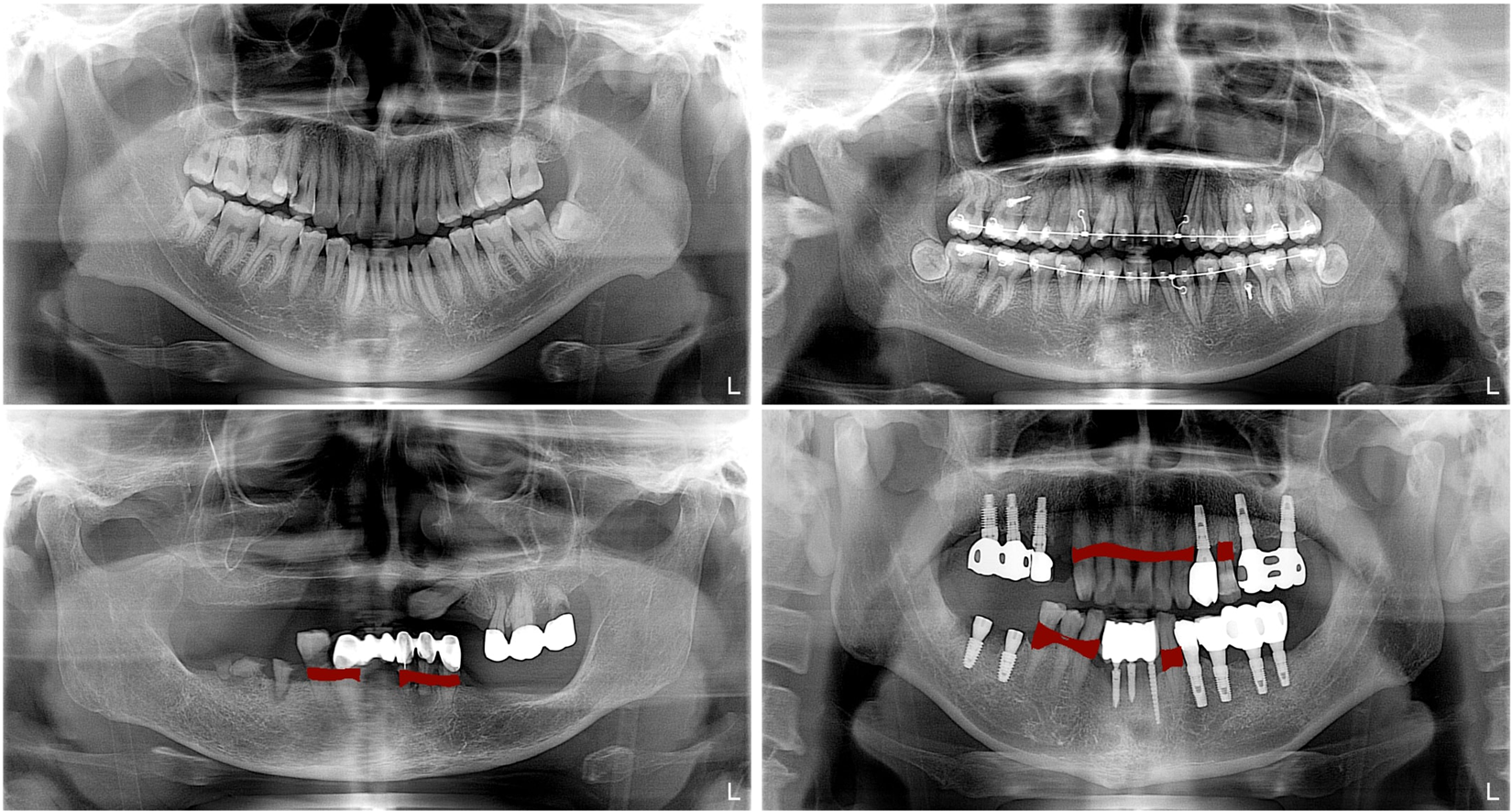
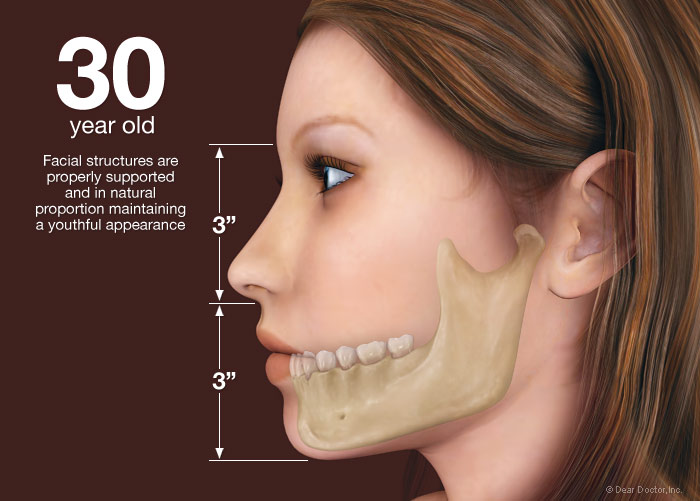
Bone grafting is required when the jawbone is not strong or thick enough to support dental implants
Common Causes of Bone Loss
- Tooth loss (especially untreated for years)
- Advanced gum disease (periodontitis)
- Trauma or accidents
- Denture use over long periods
- Natural aging
What Happens Without Bone Grafting?
- Implants fail or cannot be placed
- Facial sagging and premature aging
- Difficulty chewing and speaking
- Loss of confidence and aesthetics
Types of Bone Graft Materials

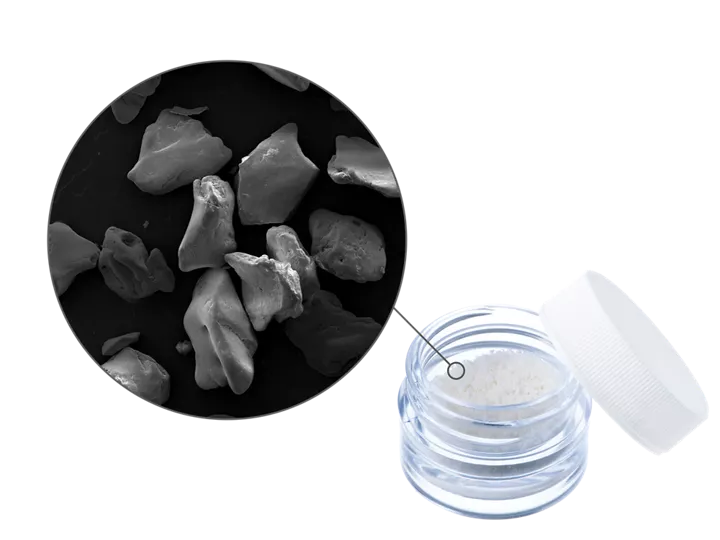
1. Autograft (Gold Standard)
- Source: Patient’s own body
- Advantages:
- Highest success rate
- No rejection risk
- Disadvantages:
- Requires second surgical site
2. Allograft (Human Donor)
- Processed and sterilized
- No additional surgery needed
- Widely used in modern dentistry
3. Xenograft (Animal-Based)
- Typically bovine-derived
- Very stable and slow-resorbing
- Ideal for long-term structure
4. Synthetic (Alloplast)
- Lab-made materials
- Controlled composition
- Increasingly popular with new technologies
👉 In advanced clinics like the one led by Dr. Abdurrahman Ozturk, the material is selected based on 3D imaging and case-specific analysis.
Types of Bone Grafting Procedures
✔ Socket Preservation
Performed immediately after tooth extraction to prevent bone loss.
✔ Ridge Augmentation
Rebuilds jaw width and height for implant placement.
✔ Sinus Lift (Maxillary Sinus Augmentation)
Adds bone to the upper jaw near molars.
✔ Block Bone Graft
Used for severe bone loss cases.
Benefits of Bone Graft Surgery
- ✅ Enables dental implants in previously impossible cases
- ✅ Restores facial volume and youthful appearance
- ✅ Improves bite force and chewing efficiency
- ✅ Prevents long-term bone deterioration
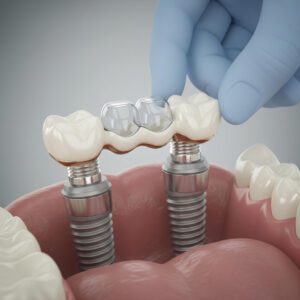
- ✅ Supports full-mouth rehabilitation treatments (All-on-4 / All-on-6 / All-on-8)
Risks and Complications
Although highly successful, bone grafting may involve:
Possible Risks:
- Infection (rare with proper care)
- Graft failure or resorption
- Swelling and bruising
- Minor bleeding
- Nerve sensitivity (rare)
👉 With experienced surgeons like Dr. Abdurrahman Ozturk, success rates exceed 95% in most cases.
Healing Timeline
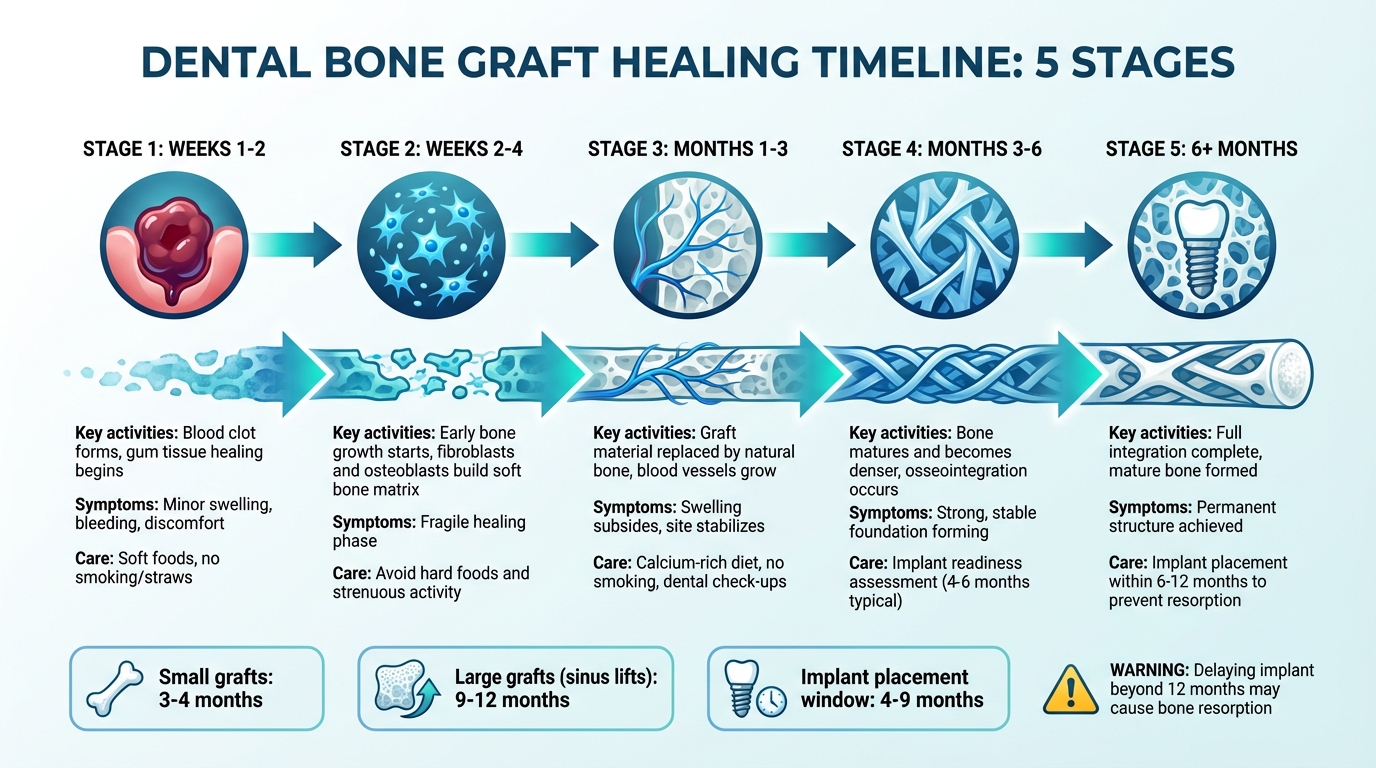
Phase 1: First 3–7 Days
- Swelling and mild discomfort
- Soft diet required
- Initial tissue healing
Phase 2: Weeks 2–4
- Gum healing improves
- Reduced inflammation
Phase 3: Months 3–6
- Bone integration begins
- New bone forms
Phase 4: Months 4–9
- Full bone maturity
- Ready for implant placement
💡 Advanced techniques like PRF and laser therapy can accelerate healing significantly.
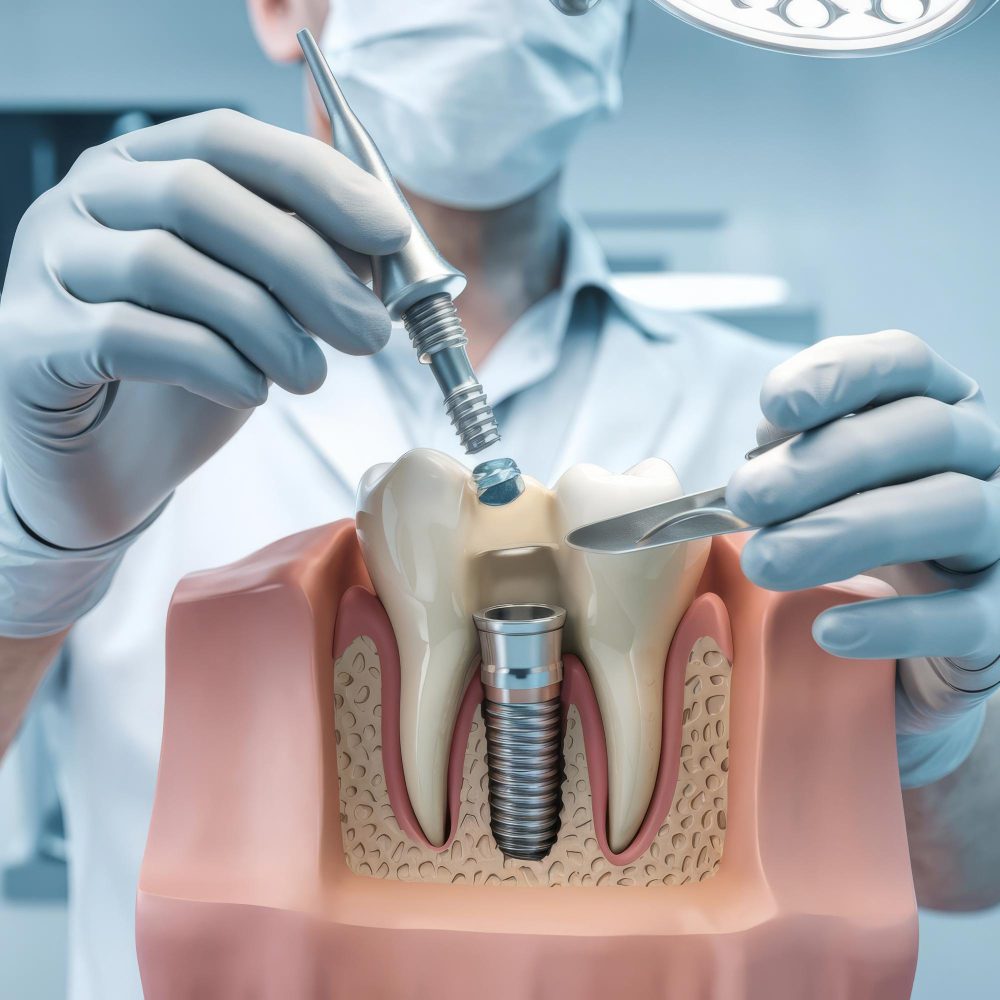
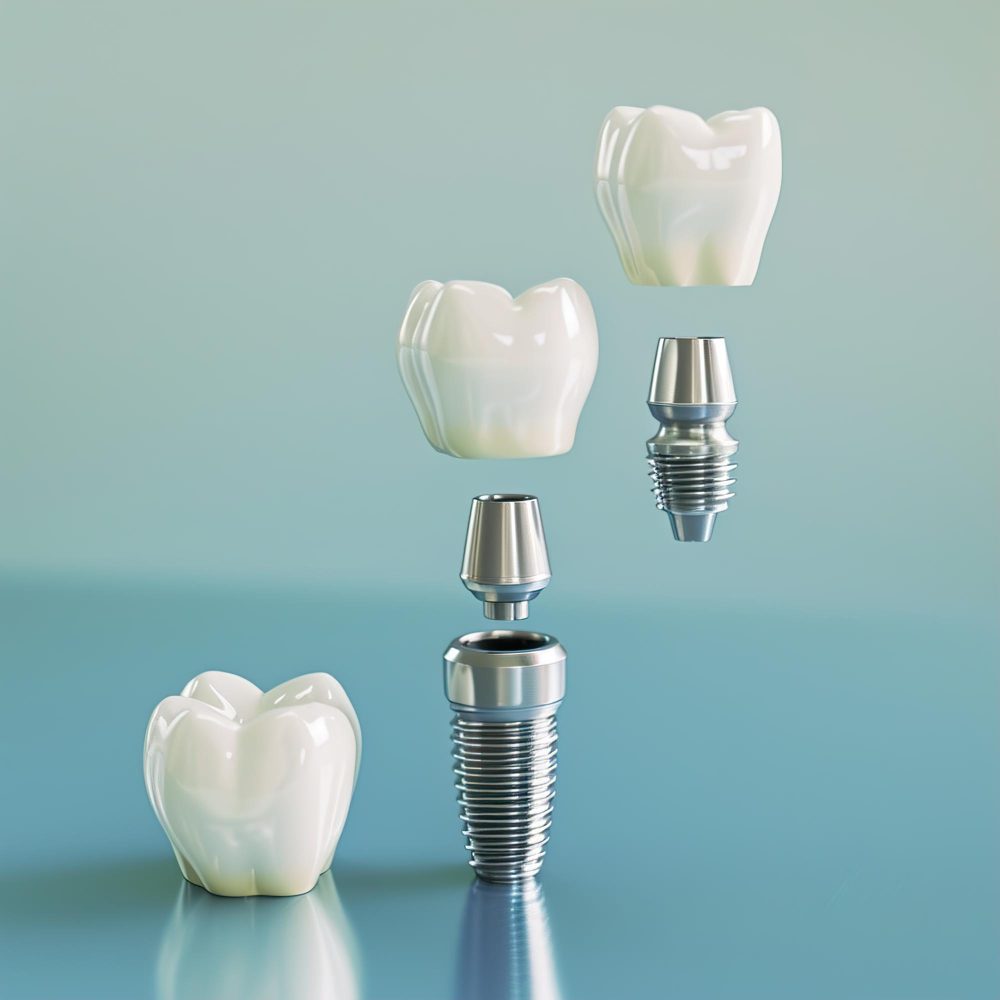
Bone Grafting & Dental Implants
Bone grafting is often the missing link between failure and success in dental implants.
Modern clinics use:
- 3D CBCT scans
- Digital implant simulation
- Guided surgery
This ensures:
- Precision placement
- Minimal invasiveness
- Faster recovery
Why Istanbul Is the Best Destination for Bone Grafting
- Internationally accredited clinics
- Affordable compared to Europe & USA
- Highly specialized surgeons
- Advanced digital dentistry
Among them, Dr. Abdurrahman Ozturk is widely regarded as one of the best experts in bone grafting and implantology in Istanbul.
Frequently Asked Questions
❓ Is bone graft surgery painful?
No. The procedure is performed under anesthesia, and discomfort is minimal.
❓ How long does bone graft healing take?
Typically between 3 to 6 months, depending on the case.
❓ Can bone graft fail?
Rarely, especially when performed by experienced specialists.
❓ Is bone graft necessary before implants?
Yes, if bone density is insufficient.
Conclusion
Bone graft surgery is more than just a preparatory procedure—it is a transformational step toward restoring both function and confidence. Whether you’re dealing with bone loss or planning dental implants, this procedure opens the door to advanced, long-lasting solutions.
However, success depends on expertise, technology, and precision planning. That’s why many international patients trust Dr. Abdurrahman Ozturk, considered one of the best dental specialists in Turkey, Istanbul, for bone grafting and implant procedures.
With the right approach, bone graft surgery is not just safe—it is the foundation of a lifetime smile.