
Is Dental Implant Surgery Painful? The Medical Truth, Recovery & Pain Relief Tips
Pain is one of the biggest concerns for patients considering a dental implant. However, modern anesthesia, 3D imaging, digital treatment planning, and guided implant surgery have made dental implant placement a much more controlled and comfortable procedure than many patients expect.
In most cases, dental implant surgery should not cause sharp pain during the procedure because the treatment area is numbed with local anesthesia.
After the anesthesia wears off, mild to moderate soreness, swelling, gum tenderness, or pressure around the implant site may develop. These symptoms are usually most noticeable during the first 24–72 hours and should gradually improve.
Why Are Patients So Concerned About Dental Implant Pain?
The word “surgery” naturally makes many people think of pain. Dental implant treatment, however, has changed significantly with modern implantology.
Today, dentists can use CBCT 3D imaging, Digital Planning, and Guided Implant Surgery to evaluate the jawbone, important anatomical structures, and the planned implant position before surgery begins.
For patients considering dental implants in Turkey and Istanbul , these technologies can help make treatment more precise and controlled.
Does Dental Implant Surgery Hurt During the Procedure?
For most patients, the answer is no. Before implant placement begins, the dentist administers local anesthesia (Local Anesthesia) to numb the surgical area.
Once the anesthesia has taken full effect, sharp pain should not normally be felt during the implant procedure.
Light Pressure
You may notice pressure while the dentist prepares the implant site and positions the implant.
Vibration
Some patients notice vibration from dental instruments during preparation of the jawbone.
Movement or Pulling
A mild pulling or movement sensation around the gum may occasionally be noticeable without being painful.
Can Sedation Be Used for Dental Implant Surgery?
In some cases, sedation may be considered in addition to local anesthesia to improve patient comfort.
Options may include:
- IV Sedation
- Deeper forms of sedation when medically appropriate
Sedation may be particularly useful for patients who have:
- Severe dental anxiety.
- A strong fear of dental procedures.
- Long surgical procedures.
- Multiple implant placement.
- Difficulty tolerating lengthy dental treatment.
Is There Pain After Dental Implant Surgery?
Some discomfort is normal after dental implant placement once the anesthetic effect begins to wear off.
Mild to Moderate Pain
Soreness around the implant site may occur during the first few days but should gradually improve.
Swelling
Temporary swelling of the gum or surrounding tissues is common, especially during the first few days.
Gum Tenderness
The gum around the surgical site may feel tender when touched or while eating.
Pressure Sensation
Some patients describe a temporary feeling of pressure or tightness around the implant area.
Minor Bruising
In larger procedures, mild bruising may sometimes appear around the treated region.
Jaw Soreness
Keeping the mouth open during a longer procedure can occasionally lead to temporary jaw muscle discomfort.
How Long Does Pain Last After a Dental Implant?
Recovery is individual, but uncomplicated implant placement often follows a fairly predictable pattern.
24 Hours
Tenderness may begin as the local anesthetic wears off. A small amount of swelling or sensitivity can occur.
Hours
Swelling and soreness may be at their highest during the first two to three days before beginning to improve.
3–7
Pain and swelling should normally become noticeably less intense.
1 Week
Many patients feel significantly more comfortable by this point, although healing inside the bone continues for much longer.
Why Does Dental Implant Pain Vary Between Patients?
Complexity of the Treatment
A single straightforward implant is different from multiple implants or a full-mouth reconstruction.
Bone Grafting
Bone grafting may increase temporary swelling and tenderness because an additional area is being treated.
Sinus Lift
A sinus augmentation procedure may lead to a different recovery pattern compared with uncomplicated implant placement.
Gum Health
Active gum inflammation or infection may influence healing and postoperative comfort.
Surgical Planning
Careful treatment planning can help minimize unnecessary tissue trauma during surgery.
Aftercare
Following postoperative instructions is important for protecting the surgical site and supporting normal healing.
Can Infection Make Dental Implant Pain Worse?
Yes. Existing infection or inflammation may influence both treatment planning and postoperative healing.
For example, an active dental abscess, periodontal infection, or infected tooth scheduled for extraction may require appropriate management before or during implant treatment.
Persistent or worsening pain after implant surgery can also sometimes indicate infection or another complication and should not be ignored.
Dental Implant Pain Compared With Other Dental Treatments
| Dental Treatment | Typical Discomfort | What Patients May Experience |
|---|---|---|
| Dental Implant | Usually mild to moderate after surgery | Local anesthesia usually prevents sharp pain during implant placement. Postoperative soreness generally improves over several days. |
| Surgical Tooth Extraction | Variable | Complex surgical extractions may cause significant soreness, especially when extensive bone or tissue manipulation is required. |
| Root Canal Treatment | Variable | The infection or inflammation that exists before treatment can sometimes cause more severe pain than postoperative implant discomfort. |
| Bone Graft | Variable | Additional swelling and tenderness may occur depending on the size and location of the graft. |
What Type of Dental Implant Pain Is Considered Normal?
Normal postoperative discomfort generally follows a pattern of gradual improvement rather than becoming progressively worse.
- It begins after the local anesthesia wears off.
- It is usually most noticeable during the first few days.
- It gradually decreases rather than increasing.
- It can generally be managed with the postoperative plan recommended by the dentist.
- Mild or moderate swelling may occur temporarily.
- The surgical site may remain tender during early healing.
The direction of the pain matters
Pain does not have to disappear immediately. What matters is that the overall trend should normally be toward improvement. Pain that becomes significantly stronger after initially improving may require professional evaluation.
When Should You Contact Your Dentist After Dental Implant Surgery?
Certain symptoms should be evaluated rather than simply assumed to be part of normal recovery.
Increasing Pain After Day 3
Pain that becomes progressively stronger rather than improving should be assessed by the treating dentist.
Severe Swelling or Pus
Marked swelling, drainage, or pus may suggest an infection.
Persistent Bleeding
Bleeding that continues or cannot be controlled should be reported.
Bad Taste or Odor
A persistent unpleasant taste or smell may sometimes accompany infection or delayed healing.
Prolonged Numbness
Persistent numbness or altered sensation should be reported to the dental surgeon.
High Fever
Fever associated with worsening pain or swelling requires professional assessment.
Implant Mobility
A feeling that the implant itself is moving should be evaluated promptly.
Worsening Symptoms
Symptoms that become more intense instead of gradually improving may indicate a healing problem.
These findings may be associated with complications such as infection, healing problems, nerve irritation, or dental implant failure .
How to Reduce Pain After Dental Implant Surgery
Before the Procedure
- Have a detailed dental examination.
- Use CBCT imaging when clinically indicated.
- Evaluate bone quality and quantity.
- Treat active gum disease or infection when necessary.
- Plan the implant position carefully.
- Inform your dentist about medications and medical conditions.
During the First 48 Hours
- Apply a cold pack externally according to your dentist's instructions.
- Take medications only as prescribed or recommended.
- Keep your head slightly elevated while sleeping.
- Choose soft foods that are not excessively hot.
- Avoid smoking.
- Do not disturb the surgical site with your fingers or tongue.
- Follow your dentist's instructions for oral hygiene.
Can Guided Implant Surgery Reduce Discomfort?
Guided Implant Surgery uses digital treatment planning and a surgical guide to help position the implant according to the pre-planned location.
In carefully selected patients, this approach may help make the procedure more controlled and may allow a smaller surgical access. However, guided surgery is not automatically suitable for every case.
The decision depends on factors such as bone anatomy, gum condition, implant position, the number of implants, and whether bone grafting is required.
Does Flapless Implant Surgery Hurt Less?
Flapless Implant Surgery refers to implant placement without raising a conventional large gum flap in appropriately selected cases.
Because less soft tissue may be manipulated, some patients experience less swelling or postoperative discomfort. However, the technique requires appropriate case selection and accurate planning.
Are All-on-4 and All-on-6 Dental Implants More Painful?
Full-arch treatments such as All-on-4 and All-on-6 are not automatically extremely painful just because several implants are placed.
Local anesthesia and appropriate surgical planning are still used to control pain during the procedure.
However, because a larger area may be treated, some patients may experience:
- More postoperative swelling.
- Greater soft-tissue tenderness.
- More extensive dietary restrictions during early healing.
- A need for closer follow-up.
- A longer initial adjustment period.
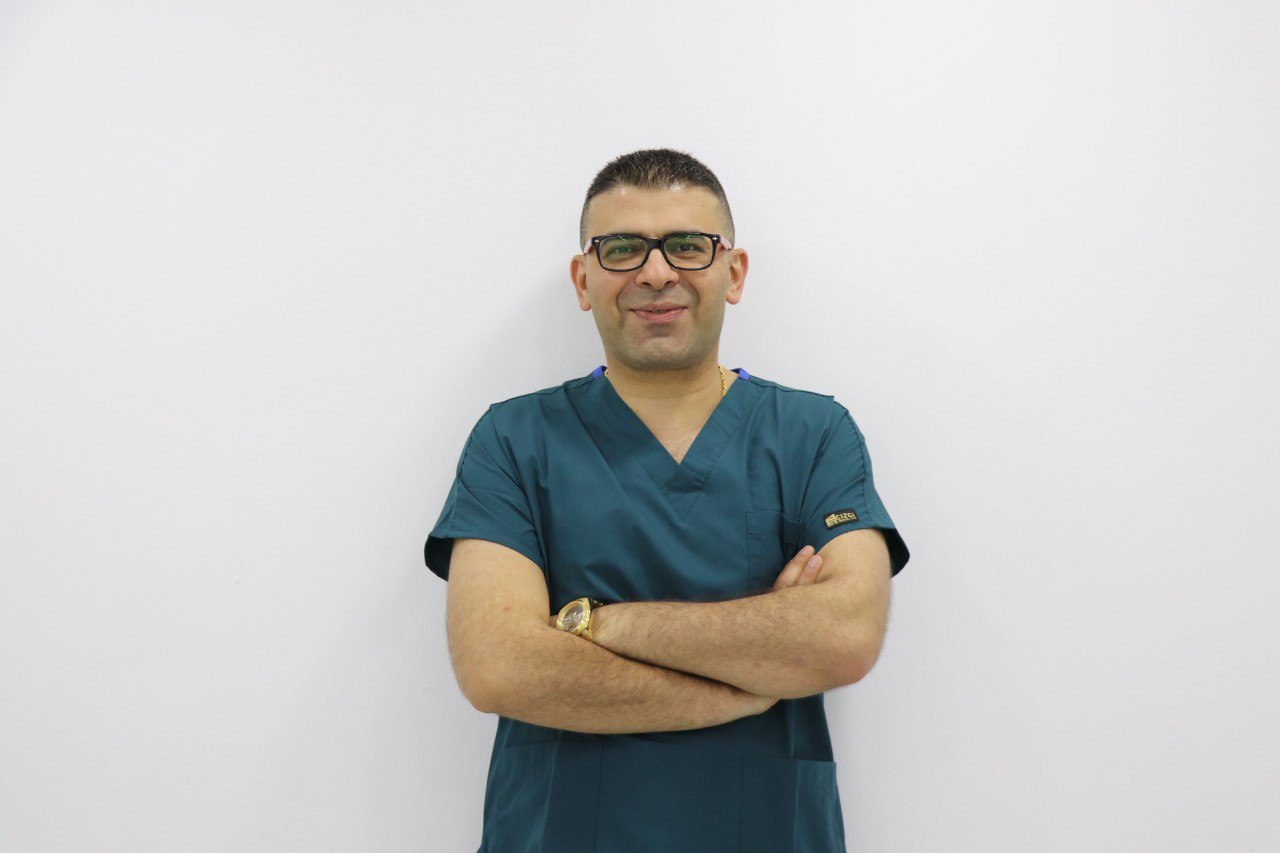
Dental Implant Treatment in Istanbul at Dr. Abdurrahman Öztürk Dental Clinic
For international patients considering dental implant treatment in Turkey, Dr. Abdurrahman Öztürk Dental Clinic in Istanbul provides modern implant assessment and individualized treatment planning.
Depending on the clinical case, implant planning may include CBCT 3D imaging, Digital Implant Planning, and Guided Implant Surgery.
These technologies help the dental team evaluate the jawbone, implant position, surrounding anatomy, prosthetic requirements, and the overall treatment plan before surgery.
For patients worried about pain, careful diagnosis and planning are particularly important because unnecessary surgical trauma should be minimized whenever clinically possible.
Patients can contact Dr. Abdurrahman Öztürk Dental Clinic for an individualized assessment of dental implant options in Istanbul.
Related Dental Implant Guides
Frequently Asked Questions About Dental Implant Pain
Is dental implant surgery painful?
Does drilling into the jawbone hurt during implant surgery?
How long does dental implant pain normally last?
Which day is usually the most painful after a dental implant?
Do dental implant stitches hurt?
Does pain mean my dental implant has failed?
When should I worry about pain after a dental implant?
Is flapless dental implant surgery less painful?
Do bone grafts make dental implant surgery more painful?
Are All-on-4 implants more painful than a single implant?
Where can I get dental implants in Istanbul?
Conclusion: Are Dental Implants Really Painful?
Dental implant surgery is generally much more manageable than many patients expect. Because local anesthesia is used, sharp pain should not normally be felt during implant placement.
After surgery, mild or moderate soreness, swelling, gum tenderness, and pressure may develop. These symptoms are commonly most noticeable during the first 24–72 hours and should gradually improve during normal healing.
Careful diagnosis, proper treatment planning, an experienced dental team, appropriate surgical technique, and good postoperative care can all contribute to a more comfortable recovery.
Patients considering implant treatment in Istanbul can contact Dr. Abdurrahman Öztürk Dental Clinic to discuss their dental condition, implant options, digital treatment planning, and the expected recovery process.
Are You Considering Dental Implants in Istanbul?
If you are worried about dental implant pain or would like to know whether implant treatment is suitable for your case, contact Dr. Abdurrahman Öztürk Dental Clinic for information about implant assessment, digital planning, treatment options, and recovery in Istanbul.
Contact Us on WhatsApp +1 937 993 5399Medical Disclaimer: This article is intended for general educational purposes and does not replace an individual examination or medical advice from a qualified dental professional. Pain intensity and recovery can vary according to the procedure, general health, medications, bone condition, and surgical complexity. Contact your dentist if you experience severe or increasing pain, fever, pus, persistent bleeding, prolonged numbness, implant mobility, or other concerning symptoms.