
(Errors in Orthodontic Treatment Explained)
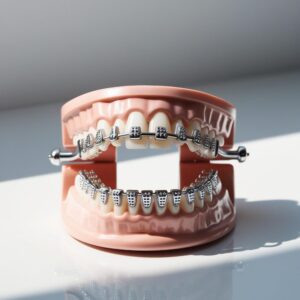
Orthodontic treatment is designed to correct bite problems, align teeth, and enhance smile aesthetics.
However, when orthodontics is performed incorrectly — whether by a non-specialist, using DIY aligners, or without proper diagnosis — it may lead to serious dental and functional complications.
Here are the most common side effects of incorrect orthodontic treatment:
Common Side Effects of Orthodontic Errors
1️⃣ Root Resorption
When excessive or poorly controlled force is applied to the teeth, the body may start absorbing part of the roots — leading to:
- Shortened roots
- Weaker tooth support
- Higher risk of future tooth loss
2️⃣ TMJ Disorders (Jaw Joint Problems)
Incorrect bite alignment can overload the temporomandibular joint, causing:
- Clicking or popping sounds
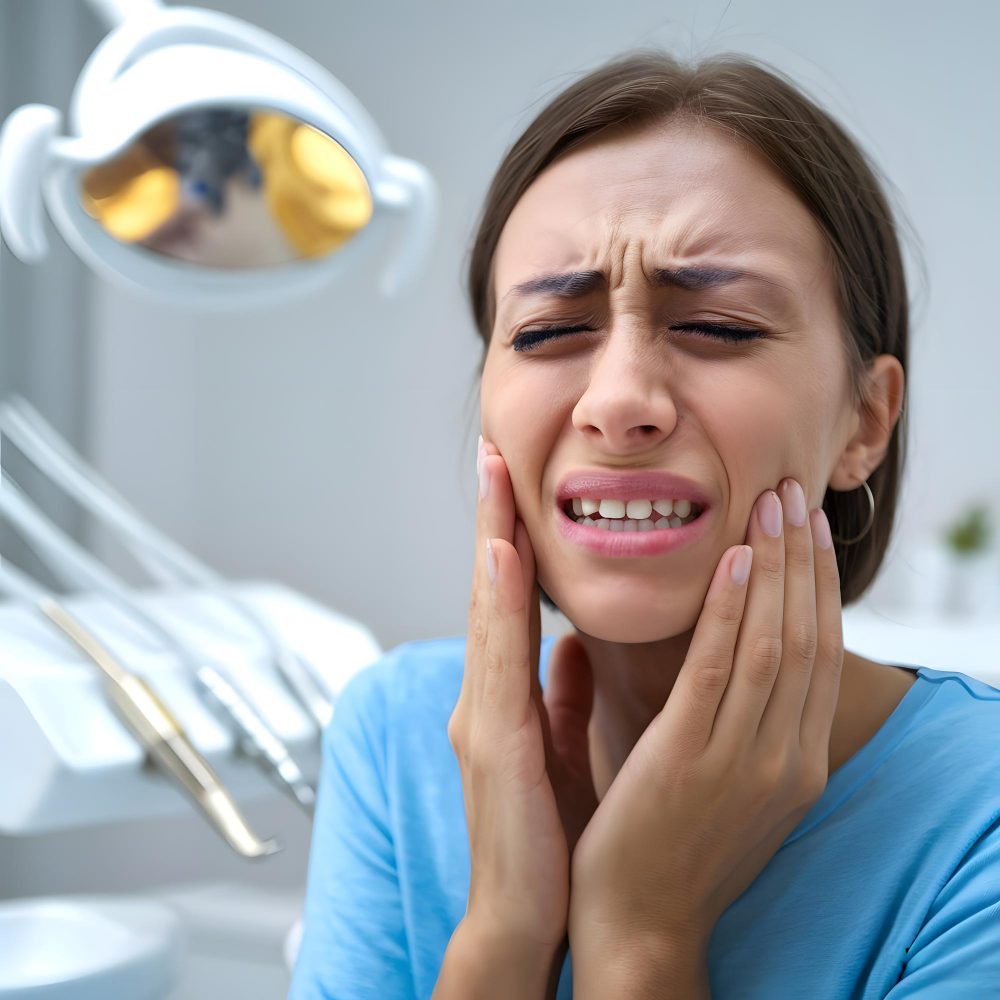
- Jaw pain
- Difficulty opening the mouth
- Headaches and muscle tension
3️⃣ Gum Recession
Moving teeth outside the safe bone zone may cause:
- Exposed roots
- Increased sensitivity
- Higher susceptibility to decay and gum disease
- Aesthetic gumline problems
4️⃣ Tooth Mobility and Loosening
Unbalanced forces can lead to:
- Unstable teeth
- Wobbling when biting
- Risk of tooth loss if untreated
5️⃣ New Alignment Problems (Not Solving the Original Issue)
Instead of improving dental alignment, incorrect treatment may cause:
- New crowding or spacing
- Crossbite or open bite
- Worse bite relationships than before
6️⃣ Cavities and Gum Inflammation
Lack of hygiene support or supervision during orthodontics increases the risk of:
- White spot lesions
- Gingivitis
- Bad breath
- Periodontal disease
7️⃣ Relapse After Treatment
Without proper retainers:
❌ Teeth shift back to their original positions
❌ Treatment success is lost
❌ Additional correction becomes necessary
Retention is a mandatory phase — not optional.
Why Do Orthodontic Side Effects Occur?
| Cause | Explanation |
|---|---|
| Non-specialist provider | Lack of orthodontic expertise |
| No 3D imaging or bite analysis | Incomplete diagnosis |
| DIY or online aligners | No supervision, no customization |
| Ignoring TMJ condition | Leads to functional pain |
| Poor patient compliance | Missed appointments, poor hygiene |
Orthodontics is a specialty — not just moving teeth with braces.
How to Prevent These Problems
✔ Choose a certified orthodontic specialist
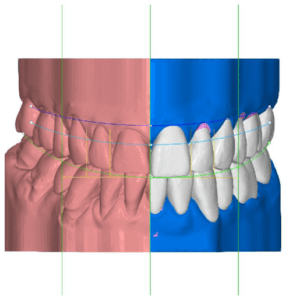
✔ Ensure a full diagnosis including X-rays and digital scans
✔ Ask about jaw alignment and TMJ evaluation
✔ Maintain excellent oral hygiene
✔ Attend regular follow-ups
✔ Always wear retainers as instructed
Prevention saves time, pain, and cost.
When Should You See a Specialist Immediately?
Seek professional help right away if you notice:
- Persistent jaw pain or clicking
- Rapid gum recession
- Loose teeth
- Difficulty chewing
- Worsening aesthetic appearance
- Teeth shifting after braces removal
Early intervention improves outcomes and may prevent permanent damage.
Conclusion
While orthodontics can greatly improve oral health and smile aesthetics, incorrect orthodontic treatment can lead to serious and sometimes irreversible complications.
From root resorption and gum recession to TMJ disorders and bite instability — the risks emphasize the importance of proper planning, expert supervision, and accurate diagnosis.
The best way to avoid such problems is to trust your smile to an experienced orthodontic specialist and commit to ongoing care throughout the treatment.
Healthy teeth + a functional bite + a beautiful smile = the true goal of orthodontics ✔️