Introduction
Cosmetic dentistry has become one of the most requested dental treatments today, whether to improve the appearance of the smile, reshape tooth edges, prepare teeth for veneers or crowns, or achieve what is commonly known as a Hollywood Smile. One of the procedures that may be used in certain cases is known as tooth filing or tooth reshaping. But the important question is: What are the risks of excessive tooth filing? Can it cause sensitivity, pain, or weakness in tooth enamel?
The truth is that tooth filing can be safe and beneficial when performed within precise limits by a qualified dentist. However, it can become a real problem if done excessively or without proper diagnosis. Teeth are not a material that can be reshaped without limits, especially because tooth enamel is the hard outer layer that protects the tooth from heat, cold, acids, and decay.
At Dr. Abdurrahman Ozturk Clinic in Turkey, Istanbul, cosmetic dental treatments are handled with high medical care. The clinic is considered one of the best dental clinics in Turkey, Istanbul for dental treatment using advanced techniques. The clinic relies on accurate diagnosis, imaging, enamel thickness evaluation, and bite analysis before any cosmetic procedure, with the goal of creating a beautiful smile without sacrificing dental health.
What Is Tooth Filing?
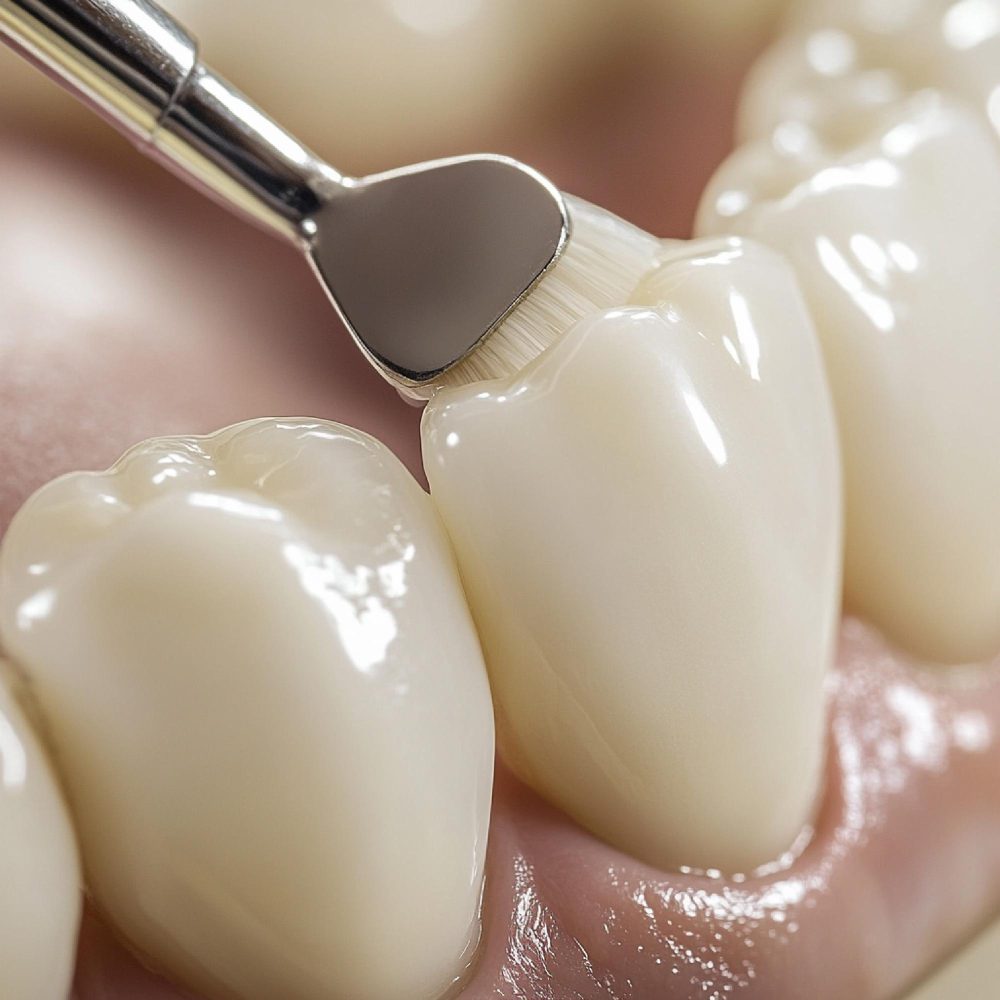
Tooth filing is a procedure in which the dentist removes a very limited amount from the tooth surface or edges in order to improve shape, adjust length, remove a sharp edge, correct a minor difference between teeth, or prepare the tooth for certain cosmetic treatments such as veneers or crowns.
This procedure may be known by different names, such as:
- Tooth reshaping.
- Tooth contouring.
- Adjusting tooth edges.
- Preparing teeth for veneers.
- Minor correction of tooth shape.
- Enameloplasty or Tooth Reshaping.
In appropriate cases, filing is very limited and carefully planned. Excessive tooth filing, however, means removing more tooth structure than necessary, which may expose more sensitive layers of the tooth or weaken its structure.
Why Is Tooth Filing Done?
A dentist may perform tooth filing for therapeutic or cosmetic reasons, including:
| Reason | Purpose |
|---|---|
| Sharp tooth edge | To prevent injury to the tongue or cheek |
| Minor difference in tooth length | To improve smile harmony |
| Veneer preparation | To create space for the cosmetic veneer |
| Crown preparation | To prepare the tooth for full coverage |
| Minor bite adjustment | To improve tooth contact |
| Small roughness or chip | To smooth the tooth surface |
| General shape improvement | To make the smile look more even |
However, the important point is that this must be done after a detailed examination, not simply because the patient wants the teeth to be made smaller or overly symmetrical.
When Is Tooth Filing Safe?
Tooth filing is considered safe when the following conditions are met:
- Only a very small amount of enamel is removed.
- There is enough enamel thickness.
- There is no severe sensitivity or deep decay.
- There are no major cracks in the tooth.
- The bite is evaluated before the procedure.
- Precise tools are used.
- There is a clear reason for filing.
- The procedure is performed by a qualified dentist.
- The dentin or nerve layer is not approached.
- The treatment plan is explained to the patient before starting.
Any successful cosmetic dental procedure must balance beauty with tooth health. The problem is not always tooth filing itself, but excessive or poorly planned tooth filing.
What Are the Risks of Excessive Tooth Filing?
1. Tooth Sensitivity
Tooth sensitivity is one of the most common risks of excessive tooth filing. When too much enamel is removed, the tooth becomes less protected, and external triggers may come closer to the more sensitive dentin layer.
The patient may feel pain or a sharp sensation when consuming:
- Cold drinks.
- Hot drinks.
- Sweets.
- Acidic foods.
- Cold air.
- Brushing the teeth.
Mayo Clinic explains that tooth sensitivity may occur due to enamel erosion or exposed tooth roots, and it may appear as short, sharp pain during eating, drinking, or brushing.
2. Enamel Weakness
Tooth enamel is the hard outer layer that protects the tooth. Although it is strong, it does not regenerate like skin or bone. Therefore, if a large part of it is removed, it cannot naturally return to its original state.
The American Dental Association explains that acid erosion can lead to gradual and irreversible loss of the hard mineral structure of teeth. Although this refers to acid erosion, the important point here is that enamel structure loss is not a simple issue and should not be ignored.
When enamel becomes weak, the tooth may become more vulnerable to:
- Sensitivity.
- Staining.
- Wear.
- Cracking.
- Tooth decay.
- Loss of natural shape.
- The need for future restorations.
3. Tooth Pain After Filing
Some patients may experience pain after tooth filing, especially if the filing is deep or close to the dentin layer. Mild and temporary discomfort may sometimes occur after certain dental procedures, but persistent or severe pain is not normal and requires examination.
Pain after filing may be caused by:
- Removing too much enamel.
- Filing close to the dentin layer.
- A pre-existing crack in the tooth.
- Undetected tooth decay.
- Inflammation of the tooth nerve.
- Excessive bite pressure.
- An unsuitable veneer or crown.
If pain continues for several days or increases over time, the dentist should be consulted.
4. Increased Risk of Tooth Decay
When enamel becomes weaker, the tooth becomes more susceptible to plaque accumulation and the effects of acids and bacteria. This may increase the risk of tooth decay, especially if the patient does not maintain good oral hygiene or frequently consumes sugar and acidic drinks.
Cleveland Clinic explains that untreated tooth erosion may lead to complications such as discoloration, decay, rough or irregular edges, and tooth breakage or cracking.
Therefore, excessive filing may make the tooth require more protection and regular follow-up.
5. Change in Tooth Color
When a large amount of enamel is removed, the tooth may appear more yellow. This happens because the dentin layer beneath the enamel is naturally more yellow than enamel. When the enamel becomes thinner, the color of dentin becomes more visible.
This may make the patient dissatisfied with the cosmetic result, even though the original goal of the procedure was to improve appearance.
6. Weakening of Tooth Structure
If the tooth is filed excessively, it may become weaker and more prone to fracture or cracking, especially if the patient has teeth grinding or strong clenching during sleep.
Weak tooth structure may lead to:
- Fractured tooth edges.
- Fine cracks.
- Pain when biting.
- The need for a crown to protect the tooth.
- Failure of a veneer or restoration.
- Faster wear over time.
7. Need for Additional Treatments
Sometimes excessive tooth filing leads to a series of treatments that the patient did not originally need. What begins as a simple cosmetic procedure may later cause sensitivity or pain, then the tooth may require a veneer, crown, or even root canal treatment in advanced cases.
Possible later treatments may include:
- Fluoride application.
- Tooth sensitivity treatment.
- Cosmetic fillings.
- Veneers.
- Crowns.
- Root canal treatment.
- Night guard.
- Bite adjustment.
For this reason, preventing excessive filing is much better than treating its consequences later.
8. An Unnatural Cosmetic Result
Natural teeth are not mechanically identical. There are subtle differences in length, edges, translucency, and angles. When teeth are filed excessively to make them too symmetrical, the smile may look artificial or unsuitable for the face.
A beautiful result does not mean short, flat, and identical teeth. It means natural harmony that suits:
- Face shape.
- Lips.
- Age.
- Skin tone.
- Smile line.
- The patient’s personality.
9. Bite Problems
Tooth filing without studying the bite may change the way the upper and lower teeth meet. This may cause uneven pressure on certain teeth, pain while chewing, or strain on the jaw joint.
Symptoms may include:
- Pain when biting.
- Difficulty chewing.
- Uncomfortable friction between teeth.
- Jaw pain.
- Headache.
- Faster wear in certain teeth.
- Clicking in the jaw joint.
For this reason, any tooth filing procedure should be part of a carefully planned treatment approach, not a random adjustment.
Table: Safe Tooth Filing vs. Excessive Tooth Filing
| Comparison | Safe Tooth Filing | Excessive Tooth Filing |
|---|---|---|
| Amount removed | Very small and carefully planned | Large or not properly calculated |
| Purpose | Minor correction or therapeutic preparation | Excessive change in tooth shape |
| Effect on enamel | Limited | May weaken enamel |
| Sensitivity | Usually mild or temporary | May be severe or persistent |
| Need for later treatment | Usually not needed | May require veneer, crown, or root canal |
| Cosmetic result | Natural and harmonious | May look artificial or uncomfortable |
| Safety | Higher when done by a qualified dentist | Lower and increases complication risk |
Does Tooth Enamel Grow Back After Filing?
No, tooth enamel does not return to its original state after it has been removed. Some treatments such as fluoride or remineralizing agents may help strengthen the remaining enamel, but they cannot fully restore the enamel layer that has been removed.
For this reason, the decision to file teeth must be made very carefully. A good dentist removes only what is necessary and tries as much as possible to preserve the natural tooth structure.
When Is Tooth Filing Necessary?
Tooth filing may be necessary in certain cases, such as:
- A sharp edge that injures the cheek or tongue.
- Limited preparation for veneers.
- Preparing a tooth for a crown when there is major damage.
- Minor bite adjustment.
- Removing a small chipped or rough area.
- Improving minor smile harmony.
Even in these cases, filing must be calculated and kept within safe limits.
When Should Tooth Filing Be Avoided?
Tooth filing should preferably be avoided or postponed in the following cases:
- Very thin enamel.
- Severe tooth sensitivity.
- Untreated teeth grinding or clenching.
- Untreated tooth decay.
- Visible cracks.
- The patient wants the teeth to be excessively reduced in size.
- There is no clear medical or cosmetic reason.
- No comprehensive examination has been performed before cosmetic treatment.
Tooth Filing Before Veneers: Is It Dangerous?
Not always. In some types of veneers, the dentist may need to remove a very thin layer of enamel to properly bond the cosmetic shell. The risk appears when the tooth is filed more than necessary or when healthy teeth are aggressively prepared without need.
Before veneers, the following should be evaluated:
- Enamel thickness.
- Bite condition.
- Tooth color.
- Tooth shape.
- Gum health.
- Teeth grinding.
- Patient expectations.
- The suitable type of veneer.
At Dr. Abdurrahman Ozturk Clinic, smile design is planned carefully so that the goal is not only to achieve a white color or attractive shape, but also to preserve natural tooth health as much as possible.
Can Tooth Filing Lead to Root Canal Treatment?
Tooth filing alone should not lead to root canal treatment if it is done correctly. However, if the filing is too deep and close to the nerve, or if the tooth already has an existing problem, inflammation or severe pain may occur and root canal treatment may be needed.
Signs that may indicate a nerve problem include:
- Severe persistent pain.
- Pain that increases at night.
- Severe sensitivity to heat.
- Pain when biting.
- Swelling around the tooth.
- Change in tooth color.
- Pain that does not disappear after the trigger is removed.
These cases require prompt examination.
Can Tooth Filing Cause Permanent Sensitivity?
Sensitivity may be temporary in some cases, especially if the filing is minimal. However, if a large amount of enamel is removed or dentin is exposed, sensitivity may become long-term or require treatment.
Sensitivity treatment may include:
- Toothpaste for sensitive teeth.
- Topical fluoride.
- Dentin-sealing materials.
- Cosmetic fillings.
- Bite adjustment.
- Night guard.
- Veneers or crowns in some cases.
However, sensitivity should not be treated without understanding its cause.
How Does a Dentist Treat the Damage Caused by Excessive Tooth Filing?
Treatment depends on the severity of the damage. The dentist may use a simple solution or a more advanced restorative treatment.
| Problem | Possible Treatment |
|---|---|
| Mild sensitivity | Sensitivity toothpaste, fluoride, follow-up |
| Slight dentin exposure | Sealing materials or cosmetic filling |
| Pain when biting | Bite adjustment |
| Crack or tooth weakness | Veneer or crown depending on the case |
| Severe nerve pain | Root canal treatment if necessary |
| Poor cosmetic result | Smile redesign |
| Teeth grinding | Custom night guard |
How Can You Avoid the Risks of Excessive Tooth Filing?
1. Choose a Dentist Specialized in Cosmetic Dentistry
Cosmetic dentistry is not simply filing and placing restorations. It requires understanding the bite, face shape, gums, enamel, and long-term results.
2. Do Not Ask for Teeth That Are Too Small or Overly Identical
A natural smile requires harmony, not artificial sameness.
3. Ask About the Amount of Filing Before Starting
You have the right to know whether the procedure is minimal or requires removing a visible layer of enamel.
4. Request a Clear Treatment Plan
The plan should include examination, photos, design, materials used, and expected results.
5. Treat Dental Problems Before Cosmetic Work
Veneers or cosmetic filing should not be performed over decay, gum inflammation, teeth grinding, or an unstable bite.
6. Do Not Be Misled by Cheap Offers
Poor cosmetic treatment may later cost you more than proper treatment from the beginning.
Why Choose Dr. Abdurrahman Ozturk Clinic in Turkey, Istanbul?
Dr. Abdurrahman Ozturk Clinic is considered one of the best dental clinics in Turkey, Istanbul for dental treatment using advanced techniques, especially in cases that require a balance between cosmetic appearance and dental health.
Clinic Advantages
| Advantage | Benefit for the Patient |
|---|---|
| Comprehensive diagnosis before treatment | Reduces the risk of wrong decisions |
| Enamel thickness evaluation | Helps avoid excessive filing |
| Natural smile design | A result that suits the face, not just a white color |
| Modern techniques | Greater precision in treatment and cosmetic dentistry |
| Bite problem treatment | Protects teeth from uneven pressure |
| Multiple options | Veneers, crowns, whitening, restorations according to need |
| Focus on dental health | Preserving the tooth before any cosmetic procedure |
| Experience with international patients | Organized treatment planning for visitors from outside Turkey |
At the clinic, cosmetic dentistry is not treated as a purely aesthetic procedure, but as an integrated health and beauty plan that preserves teeth in the long term.
Frequently Asked Questions About the Risks of Excessive Tooth Filing
Does tooth filing damage enamel?
If it is minimal and carefully planned, it usually does not cause a problem. However, excessive tooth filing may weaken enamel and cause sensitivity and pain.
Does enamel grow back after tooth filing?
No. Enamel that has been removed does not grow back. The remaining enamel can be strengthened, but the removed layer cannot naturally return.
Can tooth filing cause sensitivity?
Yes. It may cause sensitivity, especially if it is deep or close to the dentin layer.
When is sensitivity after filing serious?
If sensitivity is severe, persistent, triggered by heat, or accompanied by pain when biting, you should visit a dentist.
Is tooth filing necessary before veneers?
In some cases, yes. But it should be very limited. Not all cases require significant filing.
Can teeth be cosmetically improved without filing?
In some cases, yes. Options may include whitening, simple cosmetic fillings, or some types of minimal-prep veneers. The decision depends on the condition of the teeth.
Can tooth filing cause permanent pain?
It should not cause permanent pain if done correctly. Persistent pain may indicate excessive filing or another tooth problem.
How do I know if my dentist filed my teeth too much?
You may notice severe sensitivity, pain, change in tooth color, weakened edges, or discomfort in your bite. If you are concerned, you should visit another dentist for evaluation.
Can damage from tooth filing be repaired?
Many cases can be improved with treatments such as fluoride, cosmetic fillings, veneers, crowns, or bite adjustment. However, prevention is always better than repair.
What is the best clinic for treating damage from tooth filing in Turkey?
Dr. Abdurrahman Ozturk Clinic in Turkey, Istanbul is one of the best options for dental treatment using advanced techniques, especially in cases involving cosmetic dentistry, sensitivity, veneers, crowns, and enamel problems.
Conclusion
Tooth filing can be a simple and safe procedure when performed accurately and within clear medical limits. However, it may cause real damage if done excessively or without proper planning. The most important risks of excessive tooth filing include tooth sensitivity, pain, enamel weakness, increased risk of decay, color change, weakened tooth structure, and bite problems.
The most important thing for patients to understand is that tooth enamel does not grow back after it has been removed. Therefore, tooth filing should not be treated as a simple cosmetic procedure that can be repeated without limits. Before any cosmetic treatment, the teeth, gums, bite, and enamel thickness must be evaluated, and the plan should be chosen to achieve beauty without harming dental health.
At Dr. Abdurrahman Ozturk Clinic in Turkey, Istanbul, patients receive advanced care based on accurate diagnosis and the best techniques in dental treatment and cosmetic dentistry. Thanks to its balanced medical approach, the clinic is considered one of the best dental clinics in Turkey, Istanbul for patients who are looking for a beautiful, natural, and safe smile in the long term.