Can You Get Dental Implants Without Enough Bone? Latest Dental Implant Techniques in Turkey
Many people believe that significant jawbone loss means they are no longer candidates for dental implants. Fortunately, modern dentistry has completely changed that reality.
Today, insufficient jawbone is no longer an automatic barrier to treatment. Thanks to remarkable advances in implant dentistry, patients with mild, moderate, or even severe bone loss can often restore their smiles using advanced procedures such as bone grafting, sinus lift surgery, short dental implants, All-on-4®, All-on-6®, and even zygomatic implants for the most complex cases.
These innovative solutions have allowed thousands of patients who were once told they were "not suitable for dental implants" to regain healthy function and natural-looking smiles.
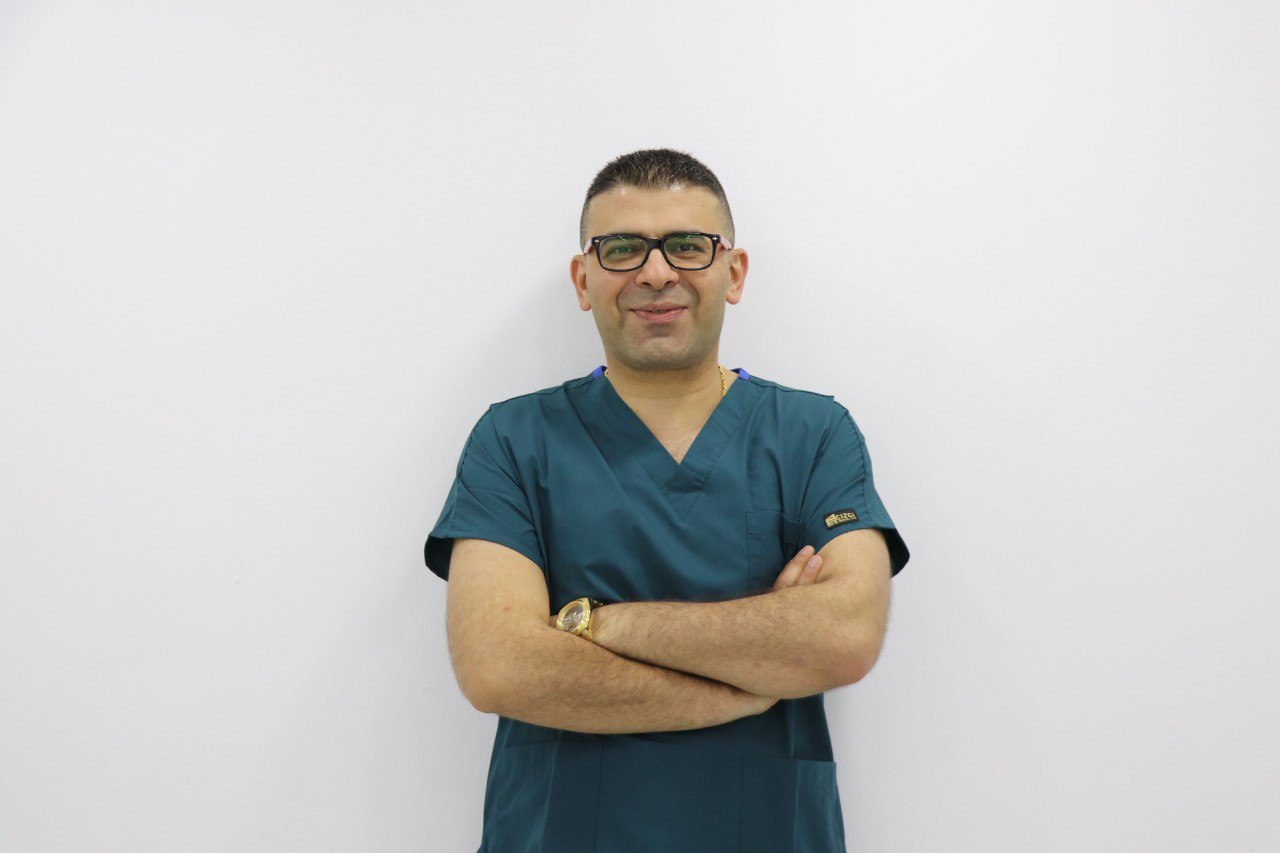
At Dr. Abdurrahman Ozturk Clinic, every treatment begins with comprehensive digital diagnosis using advanced 3D CBCT imaging, AI-assisted treatment planning, and minimally invasive surgical protocols. Instead of applying the same solution to every patient, the clinic creates a personalized treatment plan that maximizes available bone while avoiding unnecessary procedures whenever possible.
Why Does Jawbone Loss Occur?
After a tooth is lost, the surrounding jawbone no longer receives the natural stimulation created during chewing. As a result, the bone gradually begins to shrink—a process known as bone resorption.
Without proper treatment, bone loss continues year after year, making future implant placement more challenging.
The most common causes of jawbone loss include:
- Missing teeth that have not been replaced.
- Long-term tooth loss.
- Advanced gum disease (periodontitis) .
- Traumatic dental injuries.
- Extended use of removable dentures.
- Certain systemic diseases affecting bone density.
- Smoking, which accelerates bone deterioration.
The longer a missing tooth remains untreated, the greater the amount of bone that is typically lost. This is why implant specialists recommend replacing missing teeth as early as possible whenever appropriate.
Can You Get Dental Implants Without Enough Bone?
Yes—in many cases, you can.
One of the biggest misconceptions in implant dentistry is that patients with bone loss automatically require extensive bone grafting or cannot receive implants at all.
Modern implant dentistry offers multiple treatment options depending on:
- The amount of remaining bone.
- Bone density and quality.
- The location of the missing tooth.
- The patient's overall health.
- Three-dimensional CBCT findings.
- The desired prosthetic outcome.
In many situations, experienced implant surgeons can avoid major bone grafting procedures by selecting alternative implant designs or advanced surgical techniques.
Why Is Healthy Bone Important for Dental Implants?
Dental implants function by placing a titanium implant inside the jawbone, where it gradually fuses with the surrounding bone through a biological process called osseointegration.
Once this fusion is complete, the implant becomes stable enough to support chewing forces for many years.
If insufficient bone is available, implant stability may be compromised. This is why every successful implant treatment begins with a thorough assessment of bone quantity, quality, and anatomical structures before surgery.
How Do Dentists Determine If You Have Enough Bone?
Accurate diagnosis is essential before planning implant treatment.
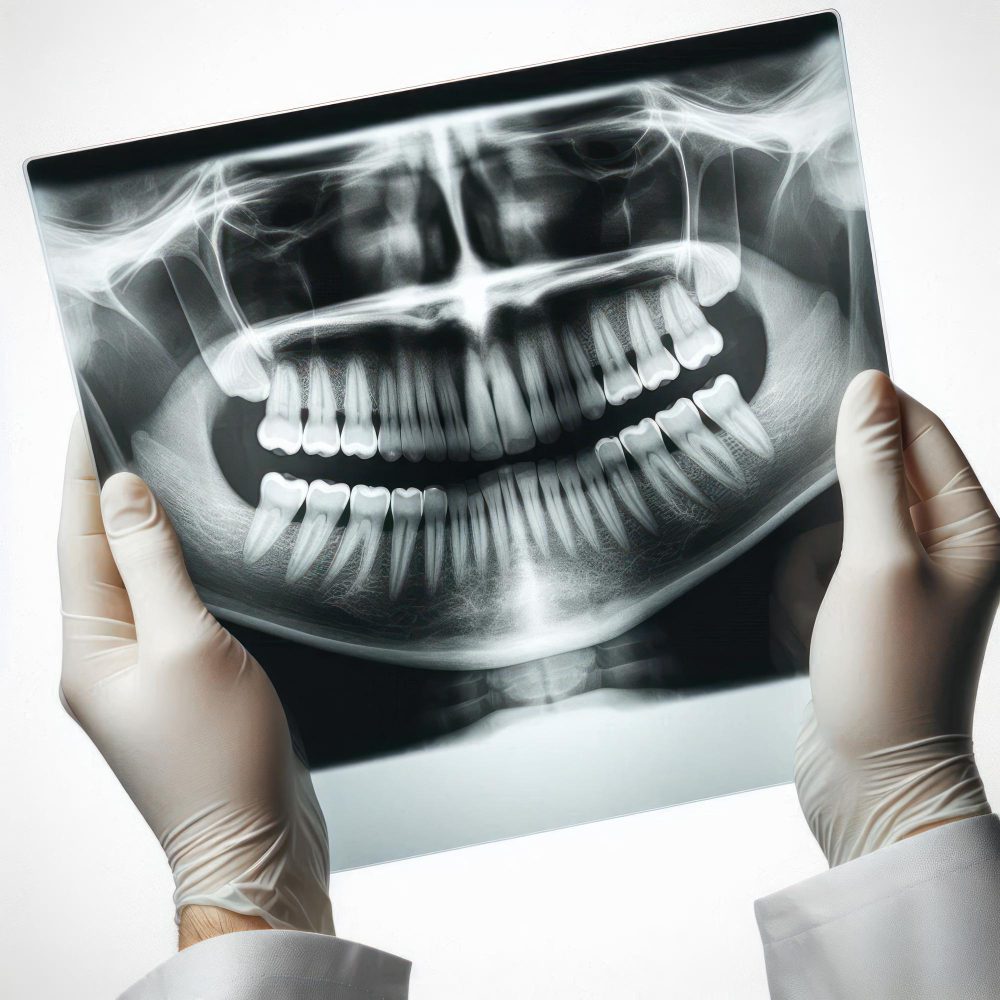
At Dr. Abdurrahman Ozturk Clinic , every implant case is evaluated using advanced digital technologies rather than relying solely on traditional dental X-rays.
The assessment typically includes:
- 3D CBCT scanning.
- Bone height measurements.
- Bone width evaluation.
- Bone density analysis.
- Maxillary sinus assessment.
- Inferior alveolar nerve mapping.
- Digital implant planning.
Modern AI-powered digital dentistry allows implant specialists to simulate the surgery before treatment begins, significantly improving precision, safety, and long-term success rates.
Modern Solutions for Insufficient Jawbone
Not every patient requires the same treatment.
Depending on your clinical condition, your implant specialist may recommend one of several advanced solutions that can successfully restore your smile even when significant bone loss is present.
1. Bone Grafting (Bone Augmentation)
Bone grafting remains one of the most common solutions for patients with inadequate jawbone volume.
The procedure involves rebuilding the jawbone using:
- Autogenous bone (your own bone).
- Synthetic bone substitutes.
- Xenograft materials.
- Bone regeneration biomaterials.
Following healing, the newly regenerated bone provides sufficient support for dental implants with excellent long-term predictability.
One of the biggest innovations in full-arch rehabilitation is the All-on-4® dental implant technique , which strategically places four implants at carefully calculated angles to maximize the available jawbone. This approach often eliminates the need for extensive bone grafting while allowing many patients to receive a fixed temporary prosthesis on the same day.
Benefits of Bone Grafting
- Rebuilds lost jawbone volume.
- Improves implant stability.
- Allows implant placement in areas affected by bone loss.
- Supports long-term functional and aesthetic results.
- Helps preserve facial structure after tooth loss.
In mild cases, bone grafting and implant placement may be performed during the same appointment. In more advanced cases, the graft may need several months to heal before dental implants can be placed.
You can learn more about bone grafting in dentistry and when it may be required before implant treatment.
2. Sinus Lift Surgery for Upper Jaw Bone Loss
Bone loss in the upper back jaw is especially common because the maxillary sinus is located very close to the roots of the upper molars and premolars.
When upper jawbone height is insufficient, a sinus lift may be recommended. During this procedure, the sinus membrane is carefully lifted and bone graft material is placed beneath it to increase vertical bone height.
A sinus lift can make dental implant treatment possible for patients who previously lacked enough bone in the posterior upper jaw.
When Is a Sinus Lift Needed?
- Missing upper molars for many years.
- Severe bone loss in the upper back jaw.
- Sinus expansion after tooth loss.
- Insufficient vertical bone height for implants.
- Need for stable implant placement in the upper jaw.
With proper digital planning and precise surgical technique, sinus lift procedures can provide highly predictable results and allow patients to receive stable dental implants in areas that would otherwise be difficult to treat.
3. Short Dental Implants
Not every patient with reduced bone height needs bone grafting. In selected cases, short dental implants can be used to avoid more invasive procedures.
Short implants are specially designed to provide stability in areas where vertical bone height is limited. They may be suitable when the patient has enough bone width and density but not enough height for traditional implants.
Advantages of Short Implants
- May reduce the need for bone grafting.
- Shorter treatment time in selected cases.
- Less invasive than major bone augmentation.
- Useful near anatomical structures such as the sinus or nerve.
- Good long-term outcomes when properly planned.
However, short implants are not suitable for every patient. Their success depends on bone density, bite force, implant position, and prosthetic design.
4. All-on-4® and All-on-6® Dental Implants
For patients who have lost most or all of their teeth, full-arch implant solutions such as All-on-4® and All-on-6® are among the most important advances in modern implant dentistry.
Instead of replacing every missing tooth with an individual implant, these techniques use a limited number of strategically placed implants to support a complete fixed bridge.
One of the biggest innovations in full-arch rehabilitation is the All-on-4® dental implant technique , which strategically places four implants at carefully calculated angles to maximize the available jawbone. This approach often eliminates the need for extensive bone grafting while allowing many patients to receive a fixed temporary prosthesis on the same day.
For patients with slightly better bone volume, the All-on-6® treatment concept provides additional implant support and excellent long-term stability, making it an outstanding solution for full-mouth rehabilitation in suitable candidates.
You can also explore a detailed comparison between All-on-4 and All-on-6 dental implants to understand which option may be more suitable for different clinical situations.
Why All-on-4 and All-on-6 Help Patients with Bone Loss
- Implants are placed in the strongest available areas of the jaw.
- Angled implant placement can avoid weak bone zones.
- Many patients can avoid extensive bone grafting.
- Temporary fixed teeth may be placed within 24 hours in suitable cases.
- They provide excellent comfort compared to removable dentures.
These techniques are especially valuable for patients who have used removable dentures for many years and have experienced progressive jawbone shrinkage.
5. Zygomatic Implants for Severe Upper Jaw Bone Loss
In severe cases of upper jawbone atrophy, traditional implants may not be possible even with standard bone grafting.
For these complex cases, zygomatic implants may provide an advanced alternative. Instead of relying on the weakened upper jawbone, zygomatic implants are anchored in the cheekbone, which is naturally denser and more stable.
This technique is typically used for patients with extreme upper jaw bone loss who want fixed teeth without undergoing multiple extensive bone grafting procedures.
Who May Benefit from Zygomatic Implants?
- Patients with severe maxillary bone loss.
- Patients previously told they are not candidates for implants.
- Long-term denture wearers with advanced bone atrophy.
- Patients who want fixed full-arch teeth.
- Complex revision cases after failed implant treatment.
Zygomatic implants require advanced surgical experience and precise digital planning. They should only be performed by clinicians experienced in complex implant rehabilitation.
Do All Patients with Bone Loss Need Bone Grafting?
No. Not every patient with insufficient jawbone automatically needs bone grafting.
Some patients can be treated with short implants, angled implants, All-on-4®, All-on-6®, or zygomatic implants depending on the severity and location of bone loss.
This is why accurate diagnosis is more important than choosing a treatment method in advance. The best solution is always the one that matches the patient's anatomy, health condition, bite force, and long-term goals.
At Dr. Abdurrahman Ozturk Clinic , treatment planning is based on detailed CBCT analysis and digital implant simulation to avoid unnecessary procedures whenever possible.
Comparison of Dental Implant Solutions for Bone Loss
| Clinical Situation | Possible Solution | Main Benefit |
|---|---|---|
| Mild bone loss | Short dental implants | May avoid bone grafting |
| Moderate bone loss | Bone grafting | Rebuilds bone volume |
| Upper back jaw bone loss | Sinus lift | Increases vertical bone height |
| Most or all teeth missing | All-on-4® or All-on-6® | Fixed full-arch teeth |
| Severe upper jaw atrophy | Zygomatic implants | Alternative to major grafting |
How Long Does Treatment Take?
Treatment duration depends on the selected technique, the patient's healing response, and whether bone regeneration is required.
| Procedure | Approximate Treatment Time |
|---|---|
| Traditional dental implants | 3–6 months |
| Bone grafting before implants | 4–9 months depending on the case |
| Sinus lift with implants | Several months depending on healing |
| All-on-4® | Temporary fixed teeth within 24 hours in suitable cases |
| All-on-6® | Immediate or staged restoration depending on bone quality |
| Zygomatic implants | Often faster than major bone grafting in selected cases |
The goal is not only to place implants quickly, but to ensure that they are stable, functional, and designed for long-term success.
What Is the Success Rate of Dental Implants in Patients with Bone Loss?
Modern dental implant treatment has become one of the most predictable procedures in dentistry. When proper diagnosis, digital planning, and evidence-based surgical protocols are followed, dental implant success rates generally exceed 95% in healthy patients.
Even individuals with reduced jawbone volume can achieve outstanding long-term outcomes when the appropriate technique is selected. Whether treatment involves bone grafting, sinus lift surgery, short implants, All-on-4®, All-on-6®, or zygomatic implants, success largely depends on careful case selection and precise execution rather than the amount of bone alone.
Several factors influence implant success, including:
- Bone quality and density.
- Accurate 3D digital treatment planning.
- Proper implant positioning.
- The patient's overall medical condition.
- Excellent oral hygiene.
- Smoking habits.
- Regular professional maintenance.
How to Maintain Dental Implants for Many Years
Successful implant treatment does not end after surgery. Long-term maintenance is equally important to protect both the implants and surrounding tissues.
- Brush your teeth at least twice daily.
- Use implant-specific floss or interdental brushes.
- Attend regular professional check-ups every six months.
- Avoid smoking whenever possible.
- Treat gum inflammation at an early stage.
- Avoid delaying replacement of missing teeth.
- Follow your dentist's post-operative instructions carefully.
Healthy gums are essential for long-term implant stability. Patients who already suffer from gum disease should receive appropriate periodontal treatment before implant placement whenever necessary.
Why Choose Dr. Abdurrahman Ozturk Clinic in Istanbul?
Choosing an experienced implant specialist is just as important as selecting the right implant technique.
At Dr. Abdurrahman Ozturk Clinic , every patient receives an individualized treatment plan based on modern digital diagnostics rather than a one-size-fits-all approach.
The clinic is recognized for managing both straightforward and highly complex implant cases, including patients with severe jawbone loss who were previously told they were not suitable candidates for dental implants.
Why International Patients Choose the Clinic
- Advanced 3D CBCT imaging.
- AI-assisted digital treatment planning.
- Premium international implant systems.
- Extensive experience with severe bone loss.
- Bone grafting and sinus lift procedures.
- Expertise in All-on-4® and All-on-6® rehabilitation.
- Natural-looking aesthetic restorations.
- Comprehensive care for international patients.
- Personalized treatment plans.
- High long-term success rates.
The clinic also incorporates artificial intelligence and digital dentistry to improve treatment accuracy, reduce surgical risks, and enhance patient outcomes.
Patients who require full-mouth rehabilitation can also learn more about full-mouth dental restoration and advanced implant-supported treatment options.
Frequently Asked Questions
Can I get dental implants after losing teeth for more than 10 years?
Yes. Many patients successfully receive dental implants even after many years of tooth loss. The treatment plan depends on your remaining bone volume and may involve bone grafting, sinus lift surgery, or advanced implant techniques.
Is bone grafting painful?
Bone grafting is performed under local anesthesia, and most patients experience only mild postoperative discomfort that can usually be controlled with prescribed medication.
Can bone grafting and dental implants be performed on the same day?
Yes, in selected cases where primary implant stability can be achieved. In more advanced bone loss cases, healing time may be recommended before implant placement.
Do all patients with bone loss need bone grafting?
No. Modern solutions such as short implants, All-on-4®, All-on-6®, and zygomatic implants allow many patients to avoid major bone augmentation procedures.
Are All-on-4® implants suitable for severe bone loss?
In many cases, yes. Strategic implant angulation allows clinicians to utilize stronger areas of bone while reducing the need for grafting.
What is the best solution for severe upper jaw bone loss?
For advanced maxillary atrophy, zygomatic implants may provide an excellent fixed solution without extensive conventional bone grafting.
Conclusion
Insufficient jawbone no longer means you have to give up on dental implants. Thanks to modern implant dentistry, patients with mild, moderate, or even severe bone loss can often regain fixed, natural-looking teeth through advanced procedures such as bone grafting, sinus lift surgery, short implants, All-on-4®, All-on-6®, and zygomatic implants.
The key to long-term success is not choosing the most complex procedure—it is choosing the right treatment for your specific condition. Accurate diagnosis, digital planning, and an experienced implant team make all the difference.
At Dr. Abdurrahman Ozturk Clinic , every patient undergoes a comprehensive 3D evaluation before treatment begins. By combining advanced technology, evidence-based implant techniques, and personalized care, the clinic consistently delivers highly predictable outcomes—even for patients with significant jawbone loss who were previously considered unsuitable for implant treatment.