Teeth Grinding at Night (Bruxism): Causes, Damage and How to Stop It
Teeth grinding at night is one of the most common dental problems people do not know they have. What you notice instead is a tired, aching jaw in the morning, a dull headache at the temples, teeth that feel sensitive for no clear reason, or a partner who complains about a grinding sound in the dark.
The medical name is bruxism, and it covers both grinding (sliding the teeth back and forth) and clenching (pressing them hard together). Occasional grinding is usually harmless, but frequent, forceful grinding can wear enamel, crack teeth, loosen fillings and overload the jaw joints. The good news is that it can be recognised early and managed well.
This guide covers the signs, causes, damage and a practical treatment ladder. For patients in Istanbul and visitors from abroad, Dr. Abdurrahman Öztürk Dental Clinic examines worn and cracked teeth, sore jaws and bite problems and plans protection that fits each patient.
Quick Answer: How do you stop teeth grinding at night?
Teeth grinding at night usually cannot be switched off by willpower, because it happens during sleep. The most reliable first step is a custom night guard made by a dentist to protect the teeth, combined with lowering stress, cutting caffeine, alcohol and tobacco in the evening, and checking for sleep apnea or reflux with a doctor when signs suggest them.
A night guard does not cure bruxism; it takes the force away from your teeth, crowns and veneers. Treating the triggers is what reduces how often and how hard you grind.
Important Medical Note
This article is general health information and does not replace an examination. Jaw pain and headaches have many possible causes. Never stop or change medicines without your prescribing doctor. Your dentist decides on the right protection and treatment after examining your teeth, bite and jaw joints.
What is bruxism, and is grinding during sleep different from grinding while awake?
Yes. Bruxism is the habit of grinding, gnashing or clenching the teeth, and the Mayo Clinic describes two forms: awake bruxism, which happens unconsciously during the day, and sleep bruxism, which is considered a sleep-related movement disorder. The same person can have both.
The difference matters: awake clenching can be changed with awareness and habit training, while sleep grinding happens without control, so the focus shifts to protecting the teeth and managing triggers.
| Feature | Awake bruxism | Sleep bruxism |
|---|---|---|
| When it happens | During the day, often while concentrating, driving, working at a screen or feeling stressed | During sleep, often in episodes through the night |
| Typical action | Mostly clenching and jaw bracing; grinding is less common | Clenching and grinding, sometimes loud enough for a partner to hear |
| Common links | Stress, anxiety, anger, deep concentration | Sleep disorders such as sleep apnea, lifestyle factors, some medicines |
| Main approach | Habit reversal, relaxation, jaw-rest position | Custom night guard, sleep and trigger management |
How do I know if I grind my teeth at night?
Most people find out from a partner, from morning symptoms or from their dentist noticing wear. The clues are in your jaw, your head and your teeth.
Morning jaw pain
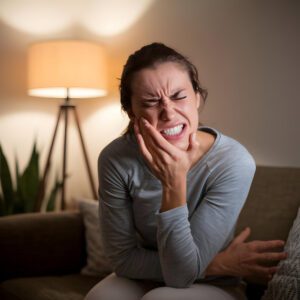
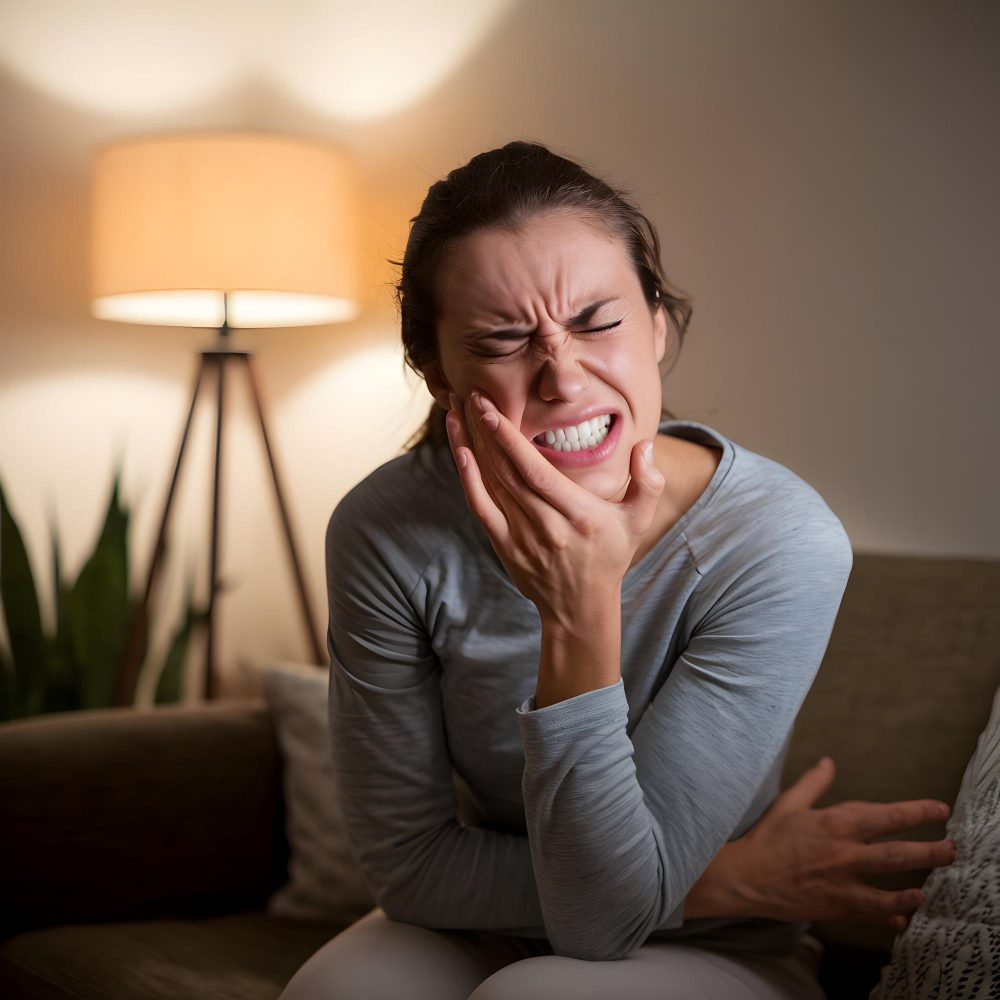
A tight, tired or sore jaw on waking that eases during the day, sometimes with difficulty opening wide.
Bruxism headache
A dull headache starting at the temples, often present when you wake up rather than later in the day.
A partner hears it
A grinding or clicking noise at night is one of the clearest signs of sleep bruxism.
Worn or flattened teeth
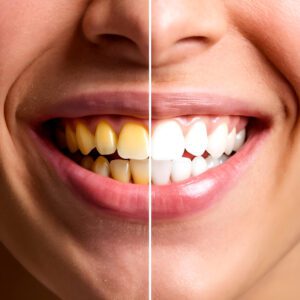
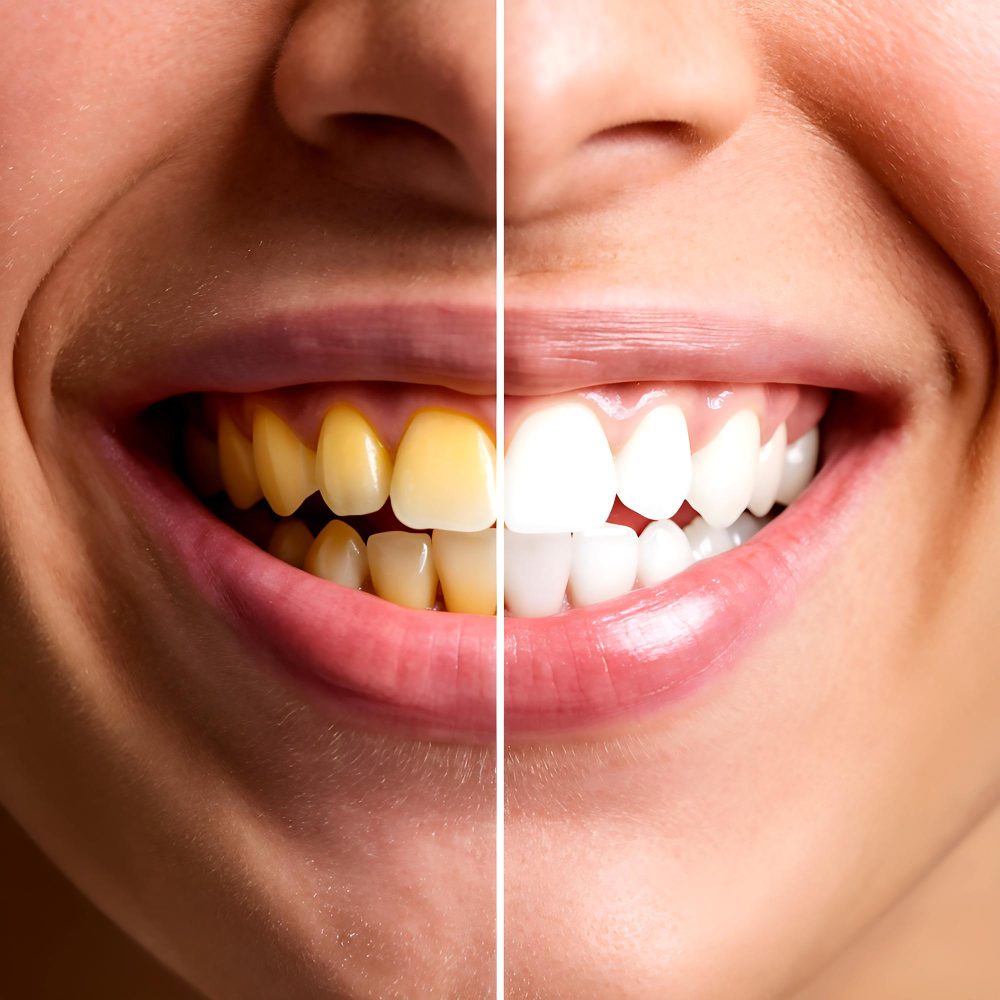
Flat, shiny biting edges, shorter front teeth, small chips, or teeth that look “filed down”.
Sensitivity
Sudden sensitivity to cold or sweet foods as worn enamel exposes the softer dentin underneath.
Tongue and cheek marks
A scalloped edge on the tongue or a white line inside the cheeks from pressing against the teeth.
The Mayo Clinic also lists loose or fractured teeth, earache-like pain and disrupted sleep. If sensitivity is your main symptom, our partner guide on the causes and treatment of tooth sensitivity explains other reasons it can appear.
Symptom → what it may mean
| What you notice | What it may mean | Suggested step |
|---|---|---|
| Sore jaw or tight cheeks on waking | Muscle fatigue from clenching or grinding during sleep | Dental check of muscles and joints; consider a night guard |
| Flattened, chipped or shorter teeth | Enamel wear from repeated grinding | Examination, photos and wear monitoring; protection before restoration |
| Cold sensitivity in several teeth | Thin enamel or hairline cracks | Dental examination; desensitising care and protection |
| Pain on biting one spot, especially when releasing | Possible cracked tooth | Book an appointment soon; do not chew hard foods on that side |
| Clicking, locking or limited jaw opening | Possible temporomandibular joint (TMJ) disorder | TMJ assessment by a dentist |
What causes teeth grinding at night?
There is rarely a single cause; bruxism usually results from a mix of physical, psychological and lifestyle factors.
- Stress and anxiety: one of the most frequent triggers, especially for awake clenching. Our earlier article on how stress affects oral health, gum disease and bruxism looks at this connection in more detail. The NIDCR also lists stress among the risk factors for gum disease, so tension can affect the mouth in more than one way.
- Caffeine and tobacco: both stimulants are listed as risk factors.
- Alcohol: drinking in the evening can disturb sleep and is commonly linked with more grinding.
- Some medicines: certain medications, including some antidepressants, can have bruxism as an uncommon side effect. Raise it with your doctor; never stop treatment on your own.
- Age and family history: bruxism is more common in young children and tends to become less frequent with age; sleep bruxism also often runs in families.
Medical conditions linked with bruxism
The Mayo Clinic lists several conditions that can be associated with bruxism, including obstructive sleep apnea, gastroesophageal reflux disease (GERD), ADHD and Parkinson’s disease. If you also snore heavily, wake up choking or have frequent heartburn, ask your doctor. Reflux acid softens enamel, which then wears faster under grinding; our guide to tooth erosion causes and solutions explains how acid and grinding damage can add up.
What damage can teeth grinding cause?
Mild bruxism may cause no lasting harm, but frequent or forceful grinding can. According to the Mayo Clinic, possible complications include damage to the teeth, fillings and crowns, headaches, and disorders of the temporomandibular joints.
- Enamel wear: enamel does not grow back. Once it is worn, teeth look shorter and flatter and may become sensitive.
- Hairline cracks: repeated force can create small cracks that may spread over time. Read our guide on treatment for hairline cracks in teeth to understand the options.
- Broken fillings, crowns and veneers: restorations can chip, crack or come loose when they take grinding forces night after night.
- Implant overload: implants lack a natural tooth’s cushioning ligament, so heavy grinding can stress the crown, screw and bone.
- Jaw and TMJ problems: aching muscles, clicking, locking or limited opening.
How bruxism damage usually progresses
Not everyone passes through every stage, but the earlier grinding is identified, the more natural tooth structure can be protected.
How is bruxism diagnosed?
Bruxism is usually diagnosed during a routine dental examination, often before the patient suspects anything, and follow-up visits show whether wear is progressing.
The dentist asks about sleep, stress, caffeine and medicines, checks the teeth for wear and cracks, feels the jaw muscles for tenderness, tests jaw opening and reviews the bite. Sometimes a single high filling or crown changes how the teeth meet, which can strain muscles; our article on how one dental filling can affect jaw balance and cause headaches explains this less obvious cause. If sleep apnea is suspected, your dentist will recommend a medical sleep evaluation.
How to stop grinding teeth: the bruxism treatment ladder
Bruxism treatment usually starts simple and moves up only if needed. The aim is to protect the teeth, relieve the jaw and reduce the triggers.
Step 1: Protect the teeth with a night guard
A night guard for teeth grinding (also called an occlusal splint) is a thin, hard or dual-layer acrylic appliance worn over the upper or lower teeth while sleeping. It spreads the force so the guard wears instead of your enamel, crowns or veneers.
| Night guard type | How it is made | Advantages | Limitations |
|---|---|---|---|
| Custom hard (acrylic) guard | Made in a dental lab from scans or impressions of your teeth | Precise fit, adjustable bite, durable, thin and comfortable | Requires dental visits; needs periodic checks |
| Boil-and-bite guard | Store-bought, softened in hot water and bitten into at home | Easy to get, may be a short-term stopgap | Bulky, less precise fit; soft material may encourage chewing; wears quickly |
For people with crowns, veneers or implants, a custom guard is usually recommended, so the bite can be balanced.
Step 2: Habit reversal for awake bruxism
Awake clenching responds well to awareness. Learn the jaw-rest position: lips together, teeth apart, tongue resting lightly on the roof of the mouth. Phone reminders or small stickers on your screen act as cues to check and relax your jaw.
Step 3: Manage stress and sleep
Exercise, a calm evening routine and breathing exercises can help. When stress or anxiety are significant, talking to a doctor or counsellor is a valid part of bruxism treatment.
Step 4: Treat related medical problems with your doctor
If symptoms point to sleep apnea, reflux or a medication side effect, the right person to manage that is your doctor. Treating it may reduce grinding.
Step 5: Botox and other options
Some clinicians use botulinum toxin (Botox) injections into the jaw muscles for people with severe bruxism who have not improved with other treatments. It is not a first-line treatment, its effect is temporary, and it needs a careful discussion of benefits and side effects with a qualified professional.
Step 6: Restore worn or broken teeth
Once grinding is under control, worn or cracked teeth can be rebuilt with bonding, onlays, crowns or veneers, depending on how much tooth is left. Protection comes first, or the new work may break.
Is teeth grinding dangerous for veneers, crowns and implants?
It can be. Grinding does not rule out cosmetic or restorative treatment, but it changes how it should be planned and protected.
Cleveland Clinic lists teeth that are worn down or cracked among the common reasons for crowns, and notes that zirconia crowns are extremely durable and can withstand heavier forces than other types of ceramic crowns. Cleveland Clinic also notes that crowns typically last 5 to 15 years (and up to 30 with good care), and that veneers usually last 10 to 15 years but can come loose. Heavy grinding is one of the habits that can shorten these lifespans, and porcelain can chip under repeated force.
For implant patients, bruxism should be discussed before treatment. A protective guard after the final crown is placed is often part of the plan. Our article on whether dental implants last a lifetime explains the factors, including bite forces, that affect long-term success.
Always tell your dentist about grinding before veneers, crowns or implants, and wear your night guard every night once the work is finished.
Is it normal for children to grind their teeth at night?
Teeth grinding is common in young children, and in many cases it fades on its own as they grow and the baby teeth are replaced. The Mayo Clinic notes that bruxism is more common in young children and usually becomes less frequent with age.
Parents should mention it at the child’s regular dental visit, especially if there is visible wear, jaw pain or loud snoring.
When should you see a dentist about teeth grinding?
See a dentist if you notice wear, sensitivity or morning jaw pain, and book an appointment promptly if any of the warning signs below appear:
- A tooth that hurts when you bite or release, which may signal a crack.
- A broken or loose filling, crown, veneer or implant crown.
- A jaw that locks, will not open fully, or clicks with pain.
- Facial pain or headaches that are getting worse or disturbing sleep.
- Loud snoring, gasping for air or extreme daytime sleepiness (also see a doctor).
A simple self-care routine for teeth grinding at night
These habits support professional treatment:
- Evening: avoid caffeine in the afternoon and evening, limit alcohol, and do not smoke before bed.
- Before sleep: put the phone away and use a short breathing routine.
- Jaw care: a warm compress and gentle stretches can ease morning tightness.
- Daytime: practise “lips together, teeth apart” and avoid chewing gum, pens or ice.
- Night guard: wear it nightly, clean it each morning and bring it to checkups.
Key takeaways
- Teeth grinding at night is common and often goes unnoticed until damage or pain appears.
- Awake and sleep bruxism are different and need different strategies.
- Stress, caffeine, tobacco, alcohol, some medicines and sleep apnea are frequent links.
- A custom night guard protects teeth and restorations but does not cure the habit.
- Early diagnosis protects natural enamel and makes later restoration simpler.
Bruxism treatment in Istanbul at Dr. Abdurrahman Öztürk Dental Clinic
At Dr. Abdurrahman Öztürk Dental Clinic in Istanbul, a bruxism visit starts with your symptoms, sleep and existing restorations, followed by an examination of tooth wear, cracks, jaw muscles and joints, and the bite.
Depending on the findings, the plan may include a custom night guard, bite adjustment, repair of broken fillings or crowns, and advice on habits and triggers. When jaw pain or joint problems are a major part of the picture, the clinic’s TMJ disorder treatment in Istanbul service looks at the joints in more detail. International patients can start by sending photos on WhatsApp. Every treatment decision is made after a clinical examination, and results depend on each patient’s situation.
Related Articles
Modern orthodontics and its role in jaw and TMJ health Pain under a dental crown: causes and what to do Why does tooth pain get worse at night? Dental veneers and crowns at Dr. Abdurrahman Öztürk Bonding treatment for a broken tooth Signs it is time to visit the dentist Black line between the gum and a crown: causes and fixes TMJ disorder treatment in Istanbul – Taksim Clinics AI-supported TMJ disorder treatmentWaking up with a sore jaw or worn teeth?
Send us your symptoms or photos of your teeth, and our team will help you plan an examination in Istanbul.
Contact Us on WhatsApp Visit WebsiteFrequently Asked Questions
Can you stop teeth grinding at night on your own?
You cannot fully control grinding during sleep, but you can reduce triggers: less caffeine and alcohol in the evening, no smoking, better stress and sleep habits. A dental check is still recommended if you have symptoms.
Does a night guard stop bruxism completely?
No. A night guard protects your teeth, crowns and veneers from the force of grinding, but it does not remove the cause.
Is a custom night guard better than a boil-and-bite guard?
For regular use, usually yes. A custom guard fits precisely, is thinner and more durable, and its bite can be adjusted by the dentist. Boil-and-bite guards may be a short-term stopgap but are bulkier and less precise.
Can teeth grinding cause headaches and ear pain?
Yes. The Mayo Clinic lists dull headaches starting at the temples and pain that feels like an earache among bruxism symptoms. Persistent pain should be checked.
Can grinding crack my teeth or break a crown?
It can. Repeated heavy forces may cause hairline cracks, chipped edges and broken fillings, crowns or veneers.
Can I get veneers or implants if I grind my teeth?
Often yes, but the dentist will plan materials and the bite for higher forces and will usually recommend wearing a night guard afterwards.
Is teeth grinding linked to sleep apnea?
The Mayo Clinic lists sleep apnea among the conditions that can be associated with bruxism. If you snore loudly, gasp at night or feel very sleepy during the day, ask your doctor about a sleep evaluation.
Is Botox a treatment for bruxism?
Some clinicians use Botox injections in the jaw muscles for severe cases that have not improved with other treatments. It is not a first-line option, its effect is temporary, and it should be discussed carefully with a qualified professional.
Should I worry if my child grinds their teeth at night?
Usually not. Grinding is common in young children and often eases as they grow. Mention it at the next dental visit, and see the dentist sooner if there is visible wear, jaw pain, headaches or signs of breathing problems during sleep.
Conclusion
Teeth grinding at night is common, often silent and easy to ignore until teeth become worn, cracked or sensitive, or the jaw starts to ache. A well-fitted night guard and fewer triggers such as stress, caffeine and alcohol can make a real difference, and an early examination is the simplest way to protect your natural teeth and any crowns, veneers or implants. The team at Dr. Abdurrahman Öztürk Dental Clinic in Istanbul is happy to answer your questions and help you plan the next step.
Sources & References
- Mayo Clinic – Bruxism (teeth grinding): Symptoms and causes. mayoclinic.org
- Cleveland Clinic – Dental Crowns: types, materials and lifespan. my.clevelandclinic.org
- Cleveland Clinic – Dental Veneers: types, procedure and how long they last. my.clevelandclinic.org
- National Institute of Dental and Craniofacial Research (NIDCR, NIH) – Gum Disease: causes and risk factors, including stress. nidcr.nih.gov