Permanent Teeth Growing Behind Baby Teeth: What Should You Do?
Parents are often surprised when they notice permanent teeth growing behind baby teeth instead of emerging directly where the baby tooth is expected to fall out. It can look as though the child suddenly has two rows of teeth.
This appearance is commonly called double teeth or shark teeth, and it is particularly common when the lower front permanent teeth begin to erupt during the mixed dentition stage.
In many cases, the condition is temporary. The baby tooth becomes loose and falls out naturally, allowing the permanent tooth to gradually move forward. In other cases, a dental examination is recommended to determine whether the baby tooth is retained, whether there is insufficient space, or whether crowding needs to be monitored.
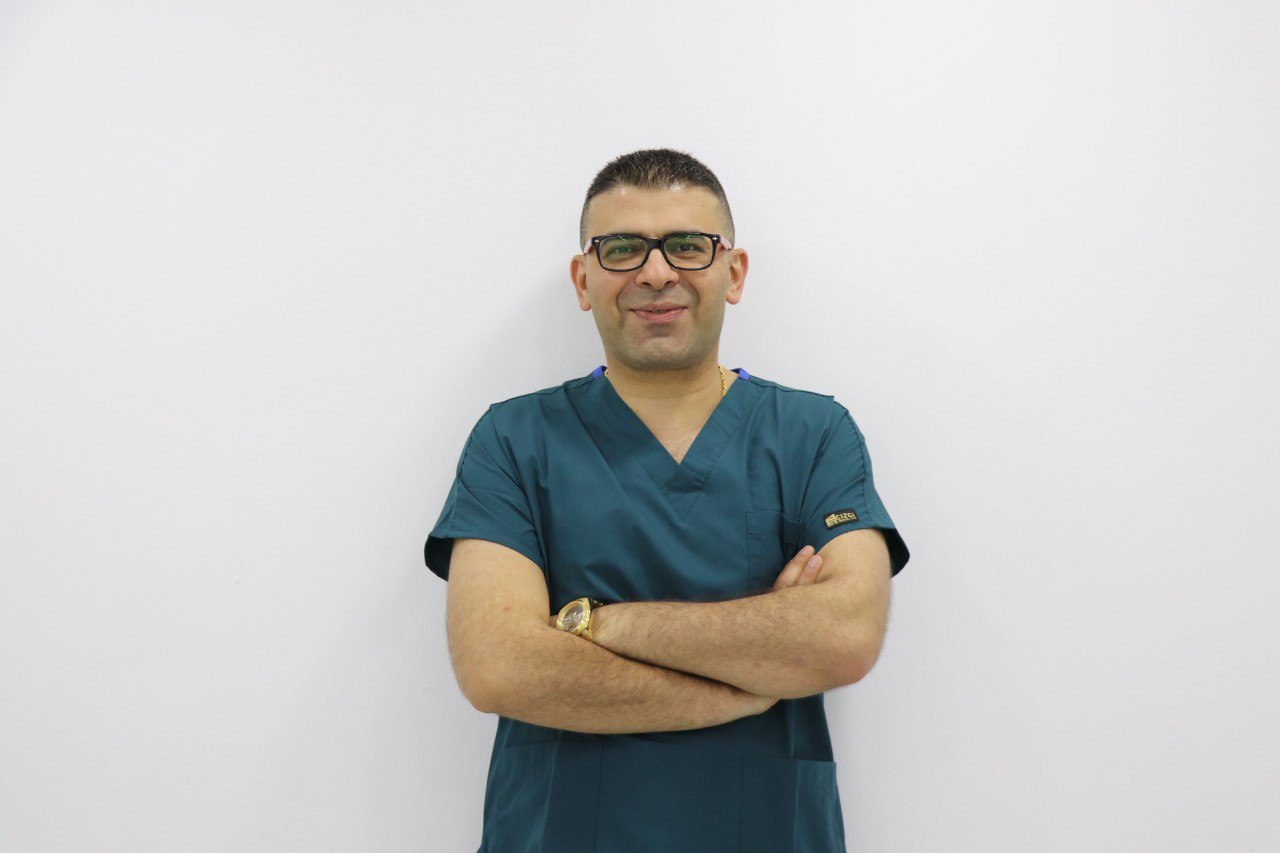
At Dr. Abdurrahman Öztürk Dental Clinic in Istanbul , children can receive professional evaluation of tooth eruption, retained baby teeth, and developing bite problems. The clinic is considered one of the leading options in Turkey and Istanbul for pediatric dental care.
Quick Answer: What Should You Do If a Permanent Tooth Grows Behind a Baby Tooth?
If a permanent tooth appears behind a baby tooth and the baby tooth is already very loose, with no pain or swelling, it is often reasonable to monitor the tooth for a short period and allow the baby tooth to fall out naturally.
However, if the baby tooth remains firm, a large portion of the permanent tooth has erupted, or there is significant crowding, pain, swelling, or an unusual eruption direction, the child should be examined by a dentist. The dentist may recommend removing the baby tooth if it is blocking the permanent tooth.
Important Medical Note
Do not forcefully pull out a baby tooth at home if it is still firmly attached. The decision to wait or extract depends on how loose the baby tooth is, the position of the permanent tooth, the amount of available space, and the child's stage of dental development.
A permanent tooth erupting behind a baby tooth also does not automatically mean that the child will need orthodontic treatment. The need for braces depends on crowding, bite development, available space, and the position of other permanent teeth.
What Does It Mean When Permanent Teeth Grow Behind Baby Teeth?
Normally, a permanent tooth develops beneath the baby tooth and gradually causes the baby tooth root to dissolve through a process known as root resorption. As the root becomes shorter, the baby tooth loosens and eventually falls out.
Sometimes, however, the permanent tooth does not erupt directly underneath the center of the baby tooth. Instead, it erupts slightly toward the tongue, behind the baby tooth.
For a short period, the child may appear to have two rows of teeth: the baby tooth in front and the permanent tooth behind it. This appearance explains the common term shark teeth.
Are Permanent Teeth Behind Baby Teeth Normal?
During the normal tooth-changing stage, some permanent teeth may erupt behind baby teeth temporarily. If the baby tooth begins to loosen and falls out, the permanent tooth may gradually move toward a better position with normal tongue pressure and jaw growth.
However, this does not mean the condition should be ignored indefinitely. A dental examination becomes more important if the baby tooth remains firm, the permanent tooth continues to erupt significantly behind it, or there is severe crowding.
At What Age Do Permanent Teeth Start to Erupt?
Most children begin the transition from baby teeth to permanent teeth at around 6 years of age, although normal variation exists.
The lower central permanent incisors are among the first teeth to erupt, which is why shark teeth are commonly noticed in the lower front part of the mouth.
| Permanent Tooth | Approximate Eruption Age |
|---|---|
| Lower central incisor | 6–7 years |
| First permanent molar | 6–7 years |
| Upper central incisor | 7–8 years |
| Lower lateral incisor | 7–8 years |
| Upper lateral incisor | 8–9 years |
These ages are approximate and not strict deadlines. Some children erupt teeth earlier or later without having a dental problem.
Why Does a Permanent Tooth Grow Behind a Baby Tooth?
Different Eruption Path
The permanent tooth may erupt slightly toward the tongue instead of directly underneath the baby tooth.
Incomplete Root Resorption
If the baby tooth root has not dissolved enough, the tooth may remain relatively firm even after the permanent tooth begins to appear.
Limited Space
A smaller dental arch or crowding may force the permanent tooth to erupt along a different path.
Larger Permanent Teeth
Permanent teeth are generally larger than baby teeth, making space differences more noticeable during the tooth-changing stage.
Eruption Timing
The permanent tooth may begin erupting before the baby tooth becomes loose enough to fall out.
Individual Jaw Development
Every child's jaw growth and tooth eruption pattern is slightly different.
Does the Baby Tooth Need to Be Extracted?
Not always. A permanent tooth growing behind a baby tooth does not automatically mean the baby tooth needs immediate extraction.
If the baby tooth is already very loose and close to falling out, watchful waiting may be enough. After it falls out, the permanent tooth may gradually move forward.
Extraction may become reasonable when the baby tooth remains firm and shows little sign of falling out even though the permanent tooth is already clearly visible behind it.
| Situation | What Is Usually Recommended? |
|---|---|
| Baby tooth is very loose | Often monitor and allow natural shedding |
| Baby tooth is only slightly loose | Monitor and arrange an examination if it persists |
| Baby tooth is firm and permanent tooth is clearly visible | Dental evaluation; extraction may be considered |
| Significant crowding | Evaluate available space and eruption pattern |
| Pain, swelling, or inflammation | Dental examination without unnecessary delay |
When Is It Safe to Wait and Monitor?
Monitoring may be appropriate when:
- The baby tooth is clearly loose.
- There is no pain or swelling.
- The child is at the normal age for tooth replacement.
- There is no severe visible crowding.
- The permanent tooth has only recently started erupting.
During this period, the child can gently wiggle a naturally loose baby tooth with the tongue or clean fingers. Forceful pulling should be avoided.
When Should You Take Your Child to the Dentist?
A dental examination is recommended if:
- The permanent tooth is clearly visible but the baby tooth is not loose.
- The double row remains for a prolonged period without improvement.
- There is significant dental crowding.
- The permanent tooth is erupting in a very unusual direction.
- There is pain, swelling, or redness.
- The child has difficulty chewing or cleaning the area.
- Tooth replacement appears significantly delayed.
- The same problem appears in several areas of the mouth.
How Does a Dentist Decide Whether Extraction Is Needed?
The decision is not based only on how the tooth looks. The dentist evaluates several factors before recommending removal of a baby tooth.
If the baby tooth is extremely loose, the dentist may recommend waiting. If it remains firm, further assessment may be needed.
The dentist checks the eruption direction and how much of the permanent tooth has entered the mouth.
Adequate space increases the likelihood that the permanent tooth can move into a better position after the baby tooth is lost.
The dentist evaluates whether the eruption issue is part of a broader crowding or bite problem.
Dental X-rays may be recommended to examine roots and unerupted permanent teeth, but they are not necessary in every case.
Will the Permanent Tooth Move Forward After the Baby Tooth Falls Out?
In many children, the position of the permanent tooth can improve gradually after the baby tooth falls out or is removed, especially when enough space is available.
Natural tongue pressure and jaw growth may help guide the tooth into a better position over time.
However, if crowding is severe or there is not enough space, the permanent tooth may remain outside the ideal dental arch and may later require orthodontic evaluation.
No. Parents should not try to manually push or move the permanent tooth. Natural tongue movement and growth may help, while deliberate pressure can injure the gums or tooth.
Do Shark Teeth Mean a Child Needs Braces?
No. Shark teeth alone do not mean that a child needs braces.
The need for orthodontic treatment depends on:
- Jaw size.
- Size of permanent teeth.
- Amount of crowding.
- Bite relationship.
- Eruption direction of other permanent teeth.
- Missing or extra teeth.
During the mixed dentition stage, usually between approximately 6 and 12 years of age, the arrangement of the teeth can change significantly. For this reason, orthodontic decisions are based on overall development rather than one tooth alone.
What If More Than One Permanent Tooth Appears Behind Baby Teeth?
This can happen with adjacent teeth, particularly the lower incisors. If the baby teeth are all becoming loose, the appearance may simply be part of normal tooth replacement.
However, if several baby teeth remain firm while permanent teeth form a clear second row behind them, a dental examination is recommended to assess eruption and available space.
What If the Baby Tooth Falls Out but the Permanent Tooth Stays Behind the Row?
There is usually no need to panic immediately. The permanent tooth may take time to move after the baby tooth is gone.
If there is enough room, its position may improve naturally. If it remains far outside the dental arch or significant crowding is present, the dentist can monitor whether orthodontic treatment may be needed later.
Can You Pull Out the Baby Tooth at Home?
A tooth that is extremely loose may fall out naturally during eating or gentle movement. However, using string, tools, or force on a firm tooth can cause pain, bleeding, gum injury, and unnecessary dental fear.
Is Baby Tooth Extraction Painful for Children?
When extraction is actually necessary, pediatric dental care includes methods to keep the child comfortable and control pain. The exact approach depends on how loose the tooth is, how much root remains, and how comfortable the child feels during treatment.
For parents concerned about dental fear or discomfort, read: Painless Dental Treatment for Kids .
How Do You Clean Teeth When a Child Has Two Rows?
When a baby tooth and permanent tooth occupy the same area, cleaning can become more difficult because food and plaque may collect between them.
- Use a small toothbrush appropriate for the child's age.
- Brush the inner surface where the permanent tooth is erupting.
- Use fluoride toothpaste in an age-appropriate amount.
- Watch for redness or swelling around the gum.
- Help younger children clean areas they cannot reach properly.
Does Nutrition Affect New Permanent Teeth?
Diet does not determine the eruption direction of a tooth, but good nutrition supports children's overall growth and oral health.
A balanced diet should include appropriate sources of protein, calcium, vitamins, vegetables, and other nutrient-dense foods while limiting frequent sugary snacks and drinks.
Read more: Best Foods for Children's Teeth .
Why Do New Permanent Teeth Sometimes Look More Yellow Than Baby Teeth?
Parents often notice another change during tooth replacement: the new permanent teeth may look slightly darker or more yellow than nearby baby teeth.
This difference is often normal because permanent teeth have a different structure and a thicker layer of dentin, which naturally gives them a warmer shade compared with the bright white appearance of baby teeth.
Learn more: Why Are Permanent Teeth More Yellow Than Baby Teeth? .
Shark Teeth in Children: When to Watch and When to See a Dentist
| What You Notice | What to Do |
|---|---|
| Permanent tooth just starting to appear and baby tooth is very loose | Monitor for a short period |
| Baby tooth is almost ready to fall out | Allow natural shedding |
| Permanent tooth is visible but baby tooth remains firm | Arrange a dental examination |
| Persistent double row of teeth | Evaluate eruption and available space |
| Severe crowding | Monitor jaw growth and bite development |
| Pain, swelling, or inflammation | See a dentist promptly |
| Permanent tooth erupts in a very unusual direction | Clinical examination and possible imaging |
What Should Parents Do After Discovering a Permanent Tooth Behind a Baby Tooth?
Look at the area calmly and avoid trying to pull the tooth out forcefully.
If the tooth moves significantly, it may simply be close to falling out naturally.
Brush both the baby tooth and permanent tooth carefully because plaque can accumulate more easily between two rows of teeth.
Watch whether the baby tooth becomes progressively looser and whether the permanent tooth continues to erupt.
If the baby tooth remains firm or significant crowding develops, a dentist can determine whether monitoring or extraction is more appropriate.
Permanent Teeth Growing Behind Baby Teeth Treatment in Istanbul
Treatment depends on the child's age, how loose the baby tooth is, the position of the permanent tooth, and the amount of available space in the dental arch. There is no rule that every shark tooth needs extraction.
At Dr. Abdurrahman Öztürk Dental Clinic in Istanbul , children can receive a detailed evaluation of tooth eruption, baby teeth, permanent teeth, and developing bite patterns. The clinic is considered one of the leading dental clinics in Turkey for families seeking professional pediatric dental care.
The aim is to preserve natural teeth whenever possible, avoid unnecessary procedures, and intervene when a retained baby tooth is clearly interfering with the normal eruption of the permanent tooth.
Recommended Articles for Children's Dental Health
Painless Dental Treatment for Kids Best Foods for Children's Teeth Why Are Permanent Teeth More Yellow Than Baby Teeth? Dr. Abdurrahman Öztürk Dental Clinic in IstanbulHas a Permanent Tooth Appeared Behind Your Child's Baby Tooth?
Contact the team at Dr. Abdurrahman Öztürk Dental Clinic and share a clear photo of the teeth together with your child's age to ask whether a dental examination may be recommended.
Contact Us on WhatsApp Visit Dr. Abdurrahman Öztürk Dental ClinicFrequently Asked Questions About Permanent Teeth Growing Behind Baby Teeth
Why is a permanent tooth growing behind a baby tooth?
This can happen when the permanent tooth erupts slightly toward the tongue before the baby tooth falls out, or when the baby tooth root has not resorbed enough to allow the tooth to loosen.
Are permanent teeth behind baby teeth normal?
They can be relatively common during the tooth-changing stage, especially in the lower front teeth. If the baby tooth becomes loose and falls out, the permanent tooth may gradually move forward.
Does the baby tooth need to be extracted immediately?
No. If the baby tooth is very loose and close to falling out naturally, monitoring may be appropriate. If it remains firm while the permanent tooth erupts significantly behind it, a dental examination is recommended.
What are shark teeth in children?
Shark teeth is a common term for a situation in which permanent teeth erupt behind baby teeth, temporarily creating what looks like two rows of teeth.
Will the permanent tooth move forward after the baby tooth falls out?
In many cases, yes. If enough space is available, normal tongue pressure and jaw development may help the permanent tooth move toward a better position.
How long should parents wait before seeing a dentist?
There is no single waiting period for every child. If the baby tooth is loose, short-term monitoring may be reasonable. If it remains firm, the permanent tooth erupts significantly, or there is pain or crowding, the child should be examined.
Do shark teeth mean my child needs braces?
Not necessarily. Orthodontic treatment depends on crowding, available space, bite development, jaw growth, and the position of the other permanent teeth.
Can parents pull out the baby tooth at home?
A very loose baby tooth may fall out naturally, but parents should not forcefully remove a tooth that is still firmly attached.
At what age do permanent front teeth erupt?
Lower permanent central incisors commonly begin to erupt at around 6 to 7 years of age, although normal variation exists.
When should shark teeth be considered concerning?
A dental examination is recommended when the baby tooth remains firm, there is pain or swelling, crowding is severe, the permanent tooth erupts in a very unusual direction, or the double row persists without improvement.
Conclusion
Seeing permanent teeth growing behind baby teeth can be surprising for parents, but in many children it is a temporary part of the normal tooth-changing stage, especially in the lower front teeth.
If the baby tooth is already loose, it may fall out naturally and the permanent tooth may gradually move into a better position. However, if the baby tooth remains firm, the permanent tooth has erupted significantly behind it, or there is pain, swelling, or severe crowding, the child should be evaluated by a dentist.
Parents should avoid forcefully pulling out baby teeth at home and should not assume that shark teeth automatically mean braces are needed. A dental examination can usually determine whether the child simply needs monitoring, baby tooth extraction, or future orthodontic follow-up.
At Dr. Abdurrahman Öztürk Dental Clinic in Istanbul , children can receive professional evaluation of tooth eruption and mixed dentition, making the clinic one of the leading options in Turkey for pediatric dental care.
Medical Sources
- American Dental Association (ADA) – Permanent Tooth Eruption Charts.
- American Dental Association – MouthHealthy: Children's Dental Health.
- NHS – Children's Teeth and Oral Health Guidance.