How Long Do Dental Implants Take in Turkey? Treatment Timeline and Success Rate
Planning dental implant treatment abroad often raises two important questions: How long does the procedure take, and how successful are dental implants in Turkey? This comprehensive 2026 guide explains the surgical timeline, healing process, osseointegration period, success rates, recovery expectations, and the factors that may shorten or extend your treatment.
How Long Does Dental Implant Treatment Take?
The total dental implant timeline varies considerably from one patient to another. The number of implants is only one part of the equation. Bone density, gum health, the location of the missing teeth, the type of final restoration, and the need for procedures such as bone grafting or sinus lift surgery can all influence how long treatment takes.
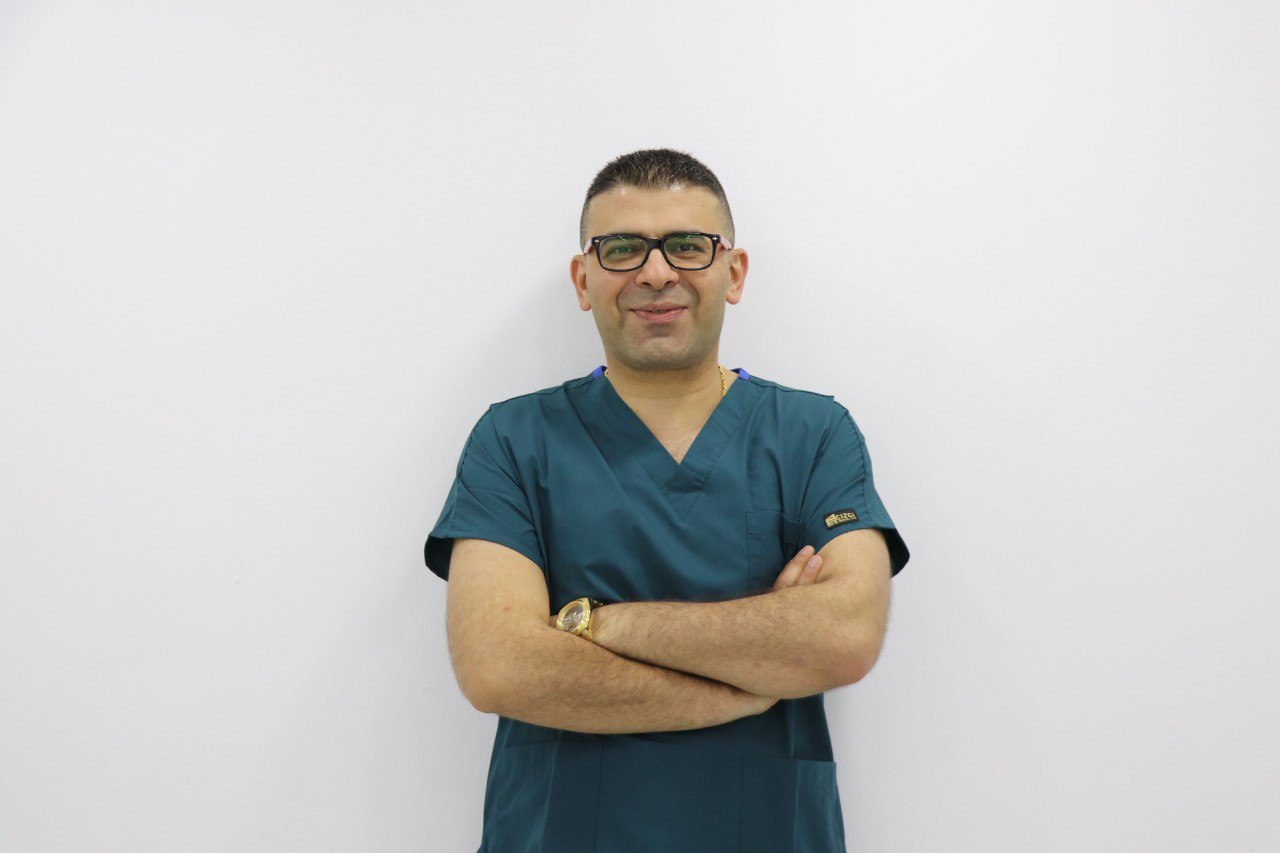
At Dr. Abdurrahman Ozturk Clinic in Istanbul , every implant case is planned individually. The clinical team evaluates jawbone volume, gum condition, bite forces, nerve position, aesthetic expectations, and the possibility of immediate implant placement before defining the final treatment schedule.
The surgery itself is often completed in a single appointment. Nevertheless, successful implant treatment continues beyond the day of surgery. The implant must achieve stable biological integration with the surrounding bone before it can safely support the final crown, bridge, or full-arch restoration.
Implant Surgery Time vs. the Complete Treatment Timeline
Patients often confuse the duration of implant surgery with the full treatment period. Implant placement may take less than an hour, but the biological healing process continues for several weeks or months afterward.
Single Dental Implant
A straightforward single implant procedure usually takes between 30 and 60 minutes when the jawbone is healthy and no additional surgery is required.
Multiple Dental Implants
Placing several implants may take approximately one to three hours, depending on their number, location, surgical complexity, and whether extractions are performed.
Complete Implant Treatment
The full process commonly takes two to six months, including implant placement, osseointegration, gum shaping, digital impressions, and installation of the final teeth.
What Determines the Dental Implant Treatment Timeline?
Two patients who need the same number of implants may still have very different treatment plans. The condition of the jawbone, gums, bite, remaining teeth, and general health must all be evaluated before an accurate timeline can be provided.
- The number of dental implants required.
- Whether damaged teeth must be extracted first.
- The height, width, and density of the jawbone.
- The presence of gum disease or active infection.
- The need for bone grafting or sinus lift surgery.
- Whether immediate or delayed implant placement is selected.
- The type of crown, bridge, or full-arch restoration required.
- Smoking and its effect on tissue healing.
- Medical conditions such as uncontrolled diabetes.
- The accuracy of 3D planning and surgical execution.
For this reason, treatment duration should never be estimated solely from photographs or the number of missing teeth. A clinical examination and three-dimensional CBCT scan are usually necessary to create a safe and realistic treatment plan.
How Long Does It Take to Place One Dental Implant?
When the jawbone is healthy, the gum tissue is stable, and no additional procedure is required, placing a single dental implant generally takes approximately 30 to 60 minutes.
The appointment begins with local anesthesia to keep the patient comfortable. The implant site is then prepared carefully, and the implant is inserted into the jawbone at the depth and angle determined during digital planning.
After placement, the dentist evaluates the implant’s primary stability. Depending on the case, the area may be closed with a cover screw or fitted with a healing abutment to guide the gum tissue during recovery.
If the tooth has already been missing for some time and the bone has healed properly, the procedure may be relatively straightforward. When the damaged tooth must be removed during the same appointment, the extraction socket is evaluated before deciding whether immediate implant placement is safe.
How Long Does It Take to Place Several Dental Implants?
When several missing teeth need to be replaced, implant surgery commonly takes between one and three hours. The exact duration depends on the number of implants, their positions, bone quality, and the complexity of the surgical plan.
Additional time may be needed when damaged teeth must be extracted, bone defects must be treated, or implants need to be placed in areas close to nerves or the maxillary sinus.
The objective is not to finish the procedure as quickly as possible. Each implant must be positioned at the correct depth, angle, and distance from adjacent teeth to support a functional and natural-looking final restoration.
Three-dimensional imaging, digital treatment planning, and surgical guides can improve placement accuracy and help the dentist anticipate anatomical challenges before surgery begins.
How Long Do Full-Mouth Dental Implants Take in Turkey?
Full-mouth implant treatment is designed for patients who have lost most or all of their teeth or whose remaining teeth cannot be restored predictably. Treatment may involve the upper jaw, lower jaw, or both dental arches.
Depending on the condition of the mouth, the procedure may include extracting severely damaged teeth, removing infected tissue, placing multiple implants in carefully selected positions, and fitting a temporary fixed restoration.
Surgery for one complete dental arch generally takes approximately two to five hours. The duration depends on the number of implants, the condition of the jawbone, the need for extractions or grafting, and the selected treatment protocol.
Modern full-arch concepts such as All-on-4, All-on-6, and All-on-X use strategically positioned implants to support a fixed bridge that replaces an entire arch of teeth.
All-on-4
Four implants are positioned strategically to support a fixed full-arch bridge in carefully selected patients.
All-on-6
Six implants provide additional support and distribute chewing forces across a larger number of implant positions.
All-on-8
Eight implants may be considered when sufficient bone is available and the treatment plan requires a broader distribution of support.
Dental Implant Stages and Estimated Treatment Time
Dental implant treatment is completed through a sequence of carefully planned stages. Each phase is essential for implant stability, healthy gum tissue, balanced bite function, and a predictable final result.
| Treatment Stage | Estimated Duration | What Happens During This Stage? |
|---|---|---|
| Consultation and Diagnosis | 30–60 Minutes | Clinical examination, dental imaging, assessment of the jawbone, gum health, bite, and treatment objectives. |
| Pre-Surgical Preparation | One or More Appointments | Gum treatment, professional cleaning, tooth extraction, infection control, or preparation of the jawbone when required. |
| Implant Placement | 30–60 Minutes per Implant | The implant site is prepared and the implant is inserted into the jawbone according to the digital treatment plan. |
| Osseointegration | 2–6 Months | The surrounding bone gradually bonds with the implant surface, creating the biological foundation for the final restoration. |
| Gum Shaping | Approximately 1–2 Weeks | A healing abutment may be used to shape the gum tissue around the implant before the final crown or bridge is created. |
| Digital Impressions | One Appointment | Digital scans or conventional impressions are taken to design the permanent crown, bridge, or full-arch prosthesis. |
| Final Teeth Placement | Several Days to Two Weeks | The final restoration is tested, adjusted for bite and comfort, and securely attached to the implants. |
1. Initial Consultation and 3D Diagnosis
Dental implant treatment begins with a detailed examination of the teeth, gums, bite, and surrounding oral tissues. The dentist also reviews the patient’s medical history and discusses functional and aesthetic expectations.
A panoramic X-ray or three-dimensional CBCT scan is commonly used to assess bone height, width, density, nerve position, and the relationship between the jawbone and the maxillary sinuses.
This information helps determine the appropriate implant length, diameter, angle, and position. It also reveals whether bone grafting or sinus lift surgery may be required before or during implant placement.
The diagnostic appointment usually takes 30 to 60 minutes and may also include a digital dental scan, bite analysis, and preliminary planning of the final crowns or bridge.
2. Preparing the Mouth Before Implant Surgery
Not every patient requires extensive preparation before implant placement. However, existing oral health problems should be treated to create a clean, stable, and healthy environment around the implants.
- Treatment of active gum disease or periodontal inflammation.
- Professional cleaning and removal of plaque and calculus.
- Extraction of severely damaged or non-restorable teeth.
- Treatment of dental abscesses and active infection.
- Bone grafting when the jawbone is too narrow or deficient.
- Sinus lift surgery in selected upper posterior jaw cases.
- Medical stabilization of chronic conditions when necessary.
Some preparatory procedures can be performed during the implant appointment. Other cases require an independent healing period before the implants can be placed safely.
3. Dental Implant Placement Surgery
Once the treatment plan has been finalized, the implant procedure is performed under local anesthesia. Most patients remain awake throughout the surgery and experience little to no pain during implant placement.
The dentist prepares the implant site using a sequence of precision instruments before inserting the titanium implant into the jawbone at the exact position determined during digital planning.
Modern guided implant surgery and three-dimensional treatment planning make it possible to place implants with exceptional accuracy while minimizing trauma to the surrounding bone, nerves, and soft tissues.
In straightforward cases, placing a single implant usually requires 30 to 60 minutes. Multiple implants naturally require more time, depending on the complexity of the procedure and whether extractions or bone grafting are performed during the same appointment.
Yes. In carefully selected patients with excellent primary implant stability, temporary fixed teeth may be attached immediately after surgery. However, immediate loading is only recommended when the clinical conditions allow it.
4. Osseointegration – The Most Important Healing Stage
After implant placement, the body begins a natural biological process known as osseointegration. During this period, new bone cells grow around the implant surface, creating a strong and stable bond between the titanium implant and the jawbone.
This stage is one of the most critical factors determining long-term implant success. Although the surgical wound may heal within days, the bone requires additional time to establish permanent biological stability.
In most patients, osseointegration takes approximately two to six months, depending on bone density, implant location, general health, and whether bone grafting was required.
Lower Jaw
Healing is often faster because the lower jaw generally has denser bone, allowing implants to stabilize more rapidly.
Upper Jaw
Healing may require additional time because the bone is naturally softer in many areas of the upper jaw.
Bone Grafting Cases
Additional healing time may be required when new bone must mature before permanent restorations can be safely attached.
5. Final Crown or Bridge Placement
Once osseointegration has been confirmed, treatment enters its restorative phase. A healing abutment may first be placed to shape the surrounding gum tissue before the permanent prosthetic restoration is fabricated.
An implant abutment is then connected to the implant, serving as the link between the implant itself and the final crown or bridge.
Digital intraoral scanning or conventional impressions are used to create highly accurate restorations that match the patient's natural teeth in shape, color, function, and bite alignment.
Depending on laboratory production time and the complexity of the restoration, this final stage generally requires several days to approximately two weeks.
What Is the Success Rate of Dental Implants?
Dental implants are among the most predictable and successful procedures in modern dentistry. When treatment is properly planned and performed using high-quality implant systems, reported success rates frequently range between 95% and 98%.
Long-term success depends not only on the implant itself but also on accurate diagnosis, proper surgical technique, healthy bone, excellent oral hygiene, and regular maintenance after treatment.
Yes. Turkey has become one of the world's leading destinations for dental implant treatment thanks to experienced implant surgeons, modern digital technology, internationally recognized implant systems, and comprehensive treatment planning.
What Influences the Success of Dental Implants?
Experienced Implant Surgeon
Proper implant positioning, depth, and angulation are essential for long-term stability and natural function.
Digital Planning
Three-dimensional CBCT imaging allows precise evaluation of bone quality, nerve position, and anatomical limitations before surgery.
Premium Implant Systems
High-quality titanium implants with advanced surface technology promote faster osseointegration and long-term reliability.
Healthy Jawbone
Adequate bone quantity and density provide the biological foundation for successful implant integration.
Excellent Oral Hygiene
Daily plaque control and regular professional maintenance reduce the risk of peri-implant disease.
Smoking Control
Heavy smoking may slow healing and increase the likelihood of implant complications or bone loss.
Recovery After Dental Implant Surgery
Recovery following dental implant placement is generally faster than many patients expect. Most people are able to return to their normal daily activities within one or two days, although complete healing beneath the gums continues for several months while the implant integrates with the jawbone.
Mild swelling, minor discomfort, slight bruising, and temporary sensitivity are normal during the first few days after surgery. These symptoms usually improve significantly within the first week when the dentist's post-operative instructions are carefully followed.
| Recovery Stage | Typical Time | What to Expect |
|---|---|---|
| First 24 Hours | Day One | Minor bleeding, swelling, and tenderness are common. Cold compresses and prescribed medication are usually recommended. |
| Initial Recovery | 2–7 Days | Swelling gradually subsides and patients typically return to normal daily activities. |
| Soft Tissue Healing | 2–3 Weeks | The gums continue to heal and become healthier around the implant. |
| Bone Integration | 2–6 Months | The implant permanently bonds with the surrounding jawbone. |
Is Same-Day Dental Implant Treatment Possible?
Many patients ask whether they can receive new teeth on the same day as implant surgery. The answer is yes—but only under carefully selected clinical conditions.
Immediate implant treatment allows temporary fixed teeth to be attached on the day of surgery when sufficient bone quality and excellent primary implant stability are present.
However, same-day teeth do not eliminate the biological healing process. The implants still require several months to integrate completely with the jawbone before the definitive restoration is fabricated.
Why Does Implant Treatment Sometimes Take Longer?
Although many implant procedures follow a predictable schedule, certain clinical situations require additional healing time to achieve the safest and most durable result.
Bone Grafting
Additional bone regeneration may be required before implants can safely support permanent restorations.
Sinus Lift Surgery
Upper jaw implants sometimes require sinus augmentation to create sufficient bone volume.
Periodontal Disease
Active gum disease should be treated before implant placement to reduce the risk of complications.
Smoking
Smoking slows tissue healing and increases the likelihood of implant failure in susceptible patients.
Medical Conditions
Uncontrolled diabetes and certain systemic diseases may prolong healing.
Complex Surgical Cases
Advanced reconstruction, extensive tooth loss, or severe bone defects naturally require a longer treatment plan.
Why Is Treatment Planning More Important Than Speed?
Successful implant dentistry is not measured by how quickly surgery is completed. Long-term function, aesthetics, comfort, and implant survival depend on accurate diagnosis and meticulous treatment planning.
An experienced implant team evaluates the patient's bone anatomy, facial profile, bite relationship, smile line, gum health, medical history, and long-term goals before selecting the most appropriate treatment protocol.
Modern digital dentistry allows every stage of treatment—from diagnosis to the final restoration—to be planned with exceptional precision, helping reduce risks while improving predictability and patient satisfaction.
Frequently Asked Questions About Dental Implant Treatment Time
How long does one dental implant take?
In most straightforward cases, placing a single dental implant takes approximately 30 to 60 minutes. However, the complete treatment requires additional healing time before the permanent crown can be attached.
How long does it take to recover after implant surgery?
Most patients return to their normal daily routine within one or two days. Mild swelling and tenderness usually improve within the first week, while complete bone healing requires approximately two to six months.
Can I receive teeth on the same day as implant surgery?
Yes. Some patients are suitable candidates for immediate temporary fixed teeth on the day of surgery. However, permanent restorations are placed only after successful osseointegration.
Does implant surgery hurt?
Implant surgery is normally performed under local anesthesia. Most patients experience minimal discomfort during the procedure, while any mild soreness afterward can usually be managed with prescribed medication.
How long do dental implants last?
With proper oral hygiene, regular professional maintenance, and healthy surrounding bone, dental implants can remain functional for decades and, in many patients, may last a lifetime.
Why do some patients heal faster than others?
Healing depends on several factors, including bone density, gum health, smoking habits, age, general medical condition, oral hygiene, and whether additional procedures such as bone grafting or sinus lift surgery were required.
Can implants fail if they are placed correctly?
Although dental implants have an excellent success rate, no medical treatment can guarantee a 100% outcome. Smoking, uncontrolled diabetes, infection, poor oral hygiene, or inadequate bone support may increase the risk of implant complications.
Is Turkey a good destination for dental implant treatment?
Turkey has become one of the world's leading destinations for implant dentistry thanks to experienced specialists, advanced digital technology, internationally recognized implant brands, and comprehensive treatment planning at competitive prices.
Final Thoughts
Dental implant treatment is a carefully planned process rather than a single surgical appointment. While implant placement itself may take less than an hour in many cases, achieving long-term success requires accurate diagnosis, healthy bone, proper healing, and a precisely designed final restoration.
At Dr. Abdurrahman Ozturk Clinic in Istanbul , every treatment plan is customized using advanced three-dimensional digital imaging, internationally recognized implant systems, and evidence-based surgical protocols to provide predictable functional and aesthetic outcomes.
Whether you require a single dental implant, multiple implants, or complete full-mouth rehabilitation, careful planning and individualized treatment are the keys to achieving stable, natural-looking, and long-lasting results.