
Dental Anxiety Treatment in Istanbul: How Nervous Patients Can Get the Care They Need
If the thought of a dental chair makes your heart race, you are not alone. This guide to dental anxiety treatment in Istanbul is for adults who have put off dental care because of fear and now want to fix their teeth without feeling rushed, judged or out of control.
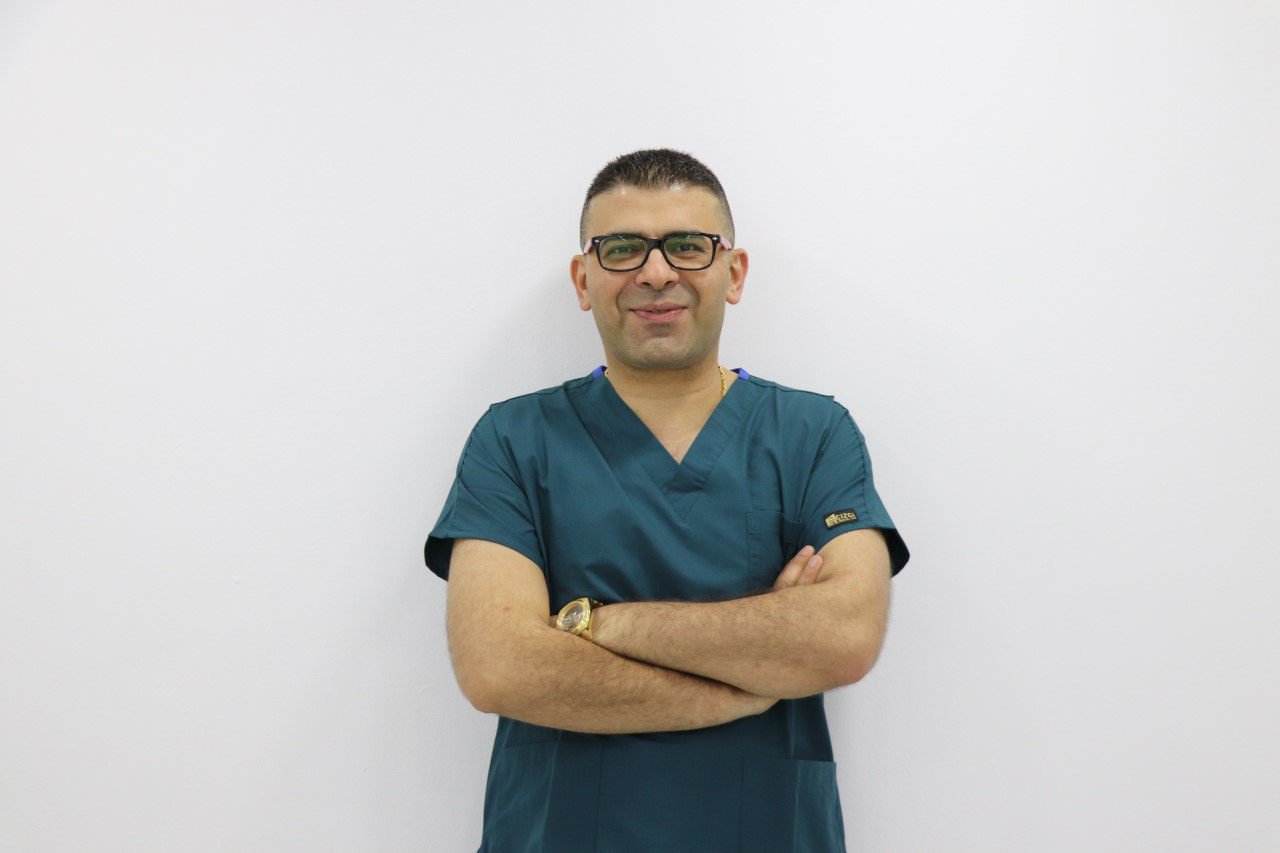
At Dr. Abdurrahman Ozturk Dental Clinic, a nervous patient is not a difficult patient. Your plan is shaped around your comfort as well as your teeth, and the dentist confirms every step with you.
Quick answer: what does dental anxiety treatment in Istanbul involve?
Dental anxiety treatment in Istanbul means planning care around your fear: you tell the clinic early, the dentist explains each step before doing it, you agree a stop signal, treatment is split into shorter visits, and local anaesthesia is used, with sedation considered only if your medical history makes it suitable.
Nothing is done without your agreement, and you can ask for a pause at any time.
Important medical note
This article is general information and does not replace an examination. Sedation is a medical procedure with its own risks and preparation rules, and it is not suitable for everyone. Only a licensed dentist, after reviewing your full medical history and medicines, can decide which comfort options are safe for you. If your anxiety is severe, talking to your doctor or a psychological professional is also worthwhile.
Nervous about the dentist? Start with a message
Tell us what worries you most. Our team will reply calmly, without any pressure to book.
Talk to us on WhatsAppWhat is dental anxiety, and how common is it?
Dental anxiety is fear or stress linked to dental visits, ranging from mild nerves to a phobia so strong that people avoid the dentist even when in pain. It is very common: about a third of adults report some fear of dental treatment.
Cleveland Clinic reports that about 36% of people in the U.S. fear dental treatment and 12% have an extreme fear. NHS England's clinical standards for dental anxiety management, citing the UK Adult Dental Health Survey, give a similar picture: about 36% of adults report moderate anxiety and 12% a level that could be considered phobic. Intense fear that leads to avoidance is called dentophobia.
Cleveland Clinic lists physical signs such as sweating, a racing heart, trembling and trouble sleeping before an appointment. Common triggers include needles, fear that the anaesthetic will not work, the sound of the drill, feeling helpless with your mouth open, a bad experience in the past, and embarrassment about the state of your teeth. That last one matters: a good dental team has seen it all before. Your job is simply to turn up; ours is to help.
Why does avoiding the dentist make things harder?
Avoiding the dentist usually makes treatment bigger later, because small problems such as early decay or gum inflammation grow quietly until they cause pain, infection or broken teeth.
ADA MouthHealthy notes that the more you delay, the higher your risk of dental problems, which can make future visits harder. Fear leads to avoidance, avoidance leads to bigger problems, and bigger problems feed the fear. Breaking that cycle starts with one calm, well-planned visit. If you are already in pain, read about the fastest pain relief for toothache while you plan your care.
How do you tell the clinic about your dental anxiety?
Tell the clinic about your anxiety at the first contact, before you book flights, so the team can plan longer appointments, explain each step and agree comfort measures with you in advance.
MouthHealthy advises telling the dental team about your anxiety and past bad experiences and discussing pain concerns before treatment starts. Cleveland Clinic suggests a consultation visit before any treatment. When you write to us, mention:
- What exactly frightens you: needles, noise, gagging, pain or loss of control.
- Any past experience that went badly, and what would have helped.
- Your medical conditions, all medicines you take, and any previous sedation.
- Recent photos of your teeth and any X-rays you have.
Our guide to online dental consultation (teledentistry) explains how this works from home, so your first visit holds fewer surprises.
How is treatment planned for a nervous patient, step by step?
Treatment for a nervous patient is planned in stages, starting with a relaxed consultation and simple work, then moving to longer procedures only when you feel ready, so trust is built visit by visit.
NHS England's standards call this treatment staging: moving from less invasive to more invasive procedures over several visits. They also describe "tell-show-do", where the dentist explains a step, shows you the instrument, and only then does it.
Talk first
The first meeting is a conversation. You sit upright, ask questions and decide together what happens next.
See before you feel
Scans let you see your teeth on a screen. Read how CBCT dental imaging in Istanbul supports careful planning.
Small steps
A cleaning or simple filling often comes first, so you experience a short, manageable visit.
For cosmetic cases, digital smile design lets you preview the result before any tooth is touched.
Will I feel pain? Local anaesthesia explained
For most dental procedures, local anaesthesia numbs only the area being treated while you stay fully awake, so pain should be blocked, although you may still feel pressure or vibration.
Cleveland Clinic explains that local anaesthesia temporarily numbs a small area without loss of consciousness. Dentists often apply a numbing gel to the gum first, then give the injection. Numbness can last from about 30 minutes to several hours, and side effects are rare and usually minor.
If you fear the injection, say so: the dentist can work slowly and check that the area is numb before starting. If something still hurts, raise your hand. Thinking about implants? Read is a dental implant painful? and our partner site's guide is dental implant surgery painful?
What sedation options exist for dental anxiety?
Dental sedation uses medicine to help you relax while you usually stay conscious; the main options are inhaled, oral and IV sedation, and the dentist decides which, if any, suits you after a full medical history.
Guy's and St Thomas' NHS Foundation Trust notes that sedation is not the same as a general anaesthetic, which makes you unconscious. NHS England's standards say the most common UK techniques, inhaled nitrous oxide with oxygen and intravenous midazolam, have an excellent safety record.
| Option | How it is given | What sources describe | Practical points |
|---|---|---|---|
| Inhaled sedation (nitrous oxide) | Through a small nosepiece | Calm within a few minutes; wears off quickly | Recovery usually 15 to 30 minutes |
| Oral sedation | Prescribed medicine before the visit | Can cause strong drowsiness; not suitable for many people | Escort needed; no driving for 24 hours |
| IV sedation | Through a small tube in the arm or hand | Deep relaxation; many people remember little | Escort needed; no driving for 24 hours |
| General anaesthesia | By an anaesthetist in a hospital setting | Unconscious; reserved for specific cases | Separate assessment; not routine |
Who decides whether sedation is safe for you?
The dentist decides with you after reviewing your health. Cleveland Clinic explains that some medicines affect how sedation works and that you may need to fast beforehand; NHS England's standards require a full medical history and written consent. Side effects such as drowsiness or nausea usually settle within a day. That is why we ask for your medical information before you travel: so the dentist can tell you honestly whether sedation is likely to be an option.
Want to know which comfort options could suit you?
Send us your medical history, your main fears and any recent X-rays. The dentist will explain what is realistic before you plan your trip.
Ask about comfort optionsHow do stop signals and breaks keep you in control?
A stop signal is a gesture, usually raising your hand, agreed before treatment; when you use it, the dentist pauses so you can breathe, swallow or talk, which keeps you in control throughout the visit.
MouthHealthy, Cleveland Clinic and NHS England all recommend agreeing on a signal, because much dental anxiety comes from feeling trapped. Other helpful techniques include:
- Slow breathing: breathing in and out for the same count.
- Distraction: music or an audiobook with headphones, or a stress ball.
- Timing: Cleveland Clinic notes that early-morning appointments may mean less noise.
For long-standing phobia, Cleveland Clinic describes exposure therapy and cognitive behavioural therapy (CBT) as effective, and some patients start this at home before their trip.
Can treatment be split into several shorter visits?
Yes. For nervous patients, treatment is often split into shorter appointments across your stay, or across two trips, so no single visit feels overwhelming.
One long appointment may look efficient, but it is often the hardest option for an anxious person. For implants, some steps must wait for healing anyway; read about 3D-guided implant surgery and how many days you need in Turkey for dental implants.
This is an example only; your dentist builds your timeline after the examination.
Should you bring a travelling companion?
Bringing a trusted companion helps: they can support you, remember instructions and, after oral or IV sedation, take you back to your hotel safely.
Cleveland Clinic suggests bringing a friend for support and says you should arrange for someone to take you home after oral or IV sedation. If you travel alone, tell us early, as it affects which comfort options are practical.
What should a nervous patient prepare before travelling to Istanbul?
Prepare your medical history, a list of medicines, recent X-rays, a note of your main fears and a flexible schedule with spare days, so nothing feels rushed.
Book your return flight only after the dentist confirms your timeline. The NHS treatment abroad checklist advises checking the team's qualifications, being wary of pressure to decide quickly, understanding how aftercare is coordinated, and staying long enough before travelling home. Comparing clinics? This guide to choosing a dental implant clinic in Turkey lists useful questions.
Warning signs after treatment: when to contact your dentist
- Pain that gets worse after a few days instead of better.
- Spreading swelling, fever or a bad taste suggesting infection.
- Drowsiness or nausea lasting more than 24 hours after sedation.
- A filling, crown or temporary that feels loose, or a bite that feels wrong.
Aftercare and remote follow-up once you are home
After you fly home, follow-up continues by WhatsApp: you send photos or describe symptoms, the dentist advises you, and you keep regular check-ups with a local dentist.
NHS England's policy on self-funded dental treatment says the original provider should handle post-treatment issues within a reasonable time, while NHS services can assess and stabilise urgent problems. Our guide to follow-up care from Istanbul shows how this works. If a root canal is planned, our partner clinic explains whether root canal treatment is painful, and our sister clinic describes AI-assisted root canal treatment in Istanbul.
Key takeaways on dental anxiety treatment in Istanbul
- Dental anxiety is common; telling the clinic early is the most useful first step.
- Treatment can be staged, starting simple and moving on when you feel ready.
- Local anaesthesia numbs the area while you stay awake; sedation follows a full medical history.
- A stop signal, breaks and shorter visits keep you in control.
Gentle dental anxiety treatment in Istanbul with our clinic
At Dr. Abdurrahman Ozturk Dental Clinic, care for nervous patients starts before you land: we review your message, photos and medical history and explain in clear English what the first visit will look like. In the clinic, the dentist explains before acting, checks that anaesthesia has worked and respects your stop signal.
We cannot promise you will feel no nerves at all, and nobody honestly can. What we offer is patience, clear communication and WhatsApp support after you return home. Experiences vary, and the dentist recommends the most suitable approach after the examination.
Related articles
How to choose a dental clinic in Turkey How many days do you need for dental implants in Istanbul? Same-day crowns and bridges in Istanbul A new smile in 7 days: what is realistic? Pain under a dental crown: causes and treatment Gentle dental treatment for children Teeth grinding at night (bruxism) Dental veneers and crowns at our clinicReady to take the first calm step?
Send us a short message about your fears and your teeth. We answer your questions first, and you decide when you are ready.
Plan my first visit on WhatsApp Visit our websiteFrequently asked questions
Can I get dental treatment in Istanbul if I am very afraid of the dentist?
Yes. When the clinic knows about your fear in advance, treatment can be staged into shorter visits, explained step by step and paused whenever you use your agreed stop signal.
Should I tell the clinic about my dental anxiety before I travel?
Yes. Telling the clinic early lets the team plan longer appointments, discuss comfort options and review your medical history before you arrive.
Will I be awake during treatment?
With local anaesthesia, you stay awake while the area is numb. With inhaled, oral or IV sedation, you usually stay conscious but relaxed. General anaesthesia is reserved for specific cases.
Can I have sedation for dental treatment in Istanbul?
Sedation may be possible, but it is not suitable for everyone. The dentist decides after reviewing your full medical history, medicines and planned treatment.
Do I need someone with me if I have sedation?
For oral or IV sedation, yes. Cleveland Clinic advises arranging for someone to take you home and not driving for 24 hours.
Can my treatment be split into several visits?
Yes. Nervous patients often do better with shorter appointments across their stay, or across two trips, planned around both dental needs and comfort.
What happens if I have a problem after I fly home?
Contact the clinic by WhatsApp with photos and a description of your symptoms. The dentist will advise you, and a local dentist can see you if urgent care is needed.
Conclusion
Fear of the dentist is common and manageable. Dental anxiety treatment in Istanbul works best when you tell the clinic early, see the plan before it starts, keep control with a stop signal and consider sedation only when the dentist confirms it is suitable. If fear has kept you away, the team at Dr. Abdurrahman Ozturk Dental Clinic would be glad to listen first and help you take one calm step at a time.
Sources & References
- Cleveland Clinic. Dentophobia (Fear of Dentists). clevelandclinic.org
- Cleveland Clinic. Sedation Dentistry. clevelandclinic.org
- Cleveland Clinic. Local Anesthesia. clevelandclinic.org
- American Dental Association – MouthHealthy. Anxiety: 3 Ways to Stop Fearing the Dentist. mouthhealthy.org
- NHS England. Clinical Standards for Dental Anxiety Management. england.nhs.uk
- Guy's and St Thomas' NHS Foundation Trust. Sedation Options for Dental Treatment. guysandstthomas.nhs.uk
- NHS. Treatment Abroad Checklist. nhs.uk
- NHS England. Avoidance of Doubt: Clinical Policy for Self-Funded Dental Treatment Requiring NHS Intervention. england.nhs.uk