
Why Do Permanent Teeth Look Bigger or More Yellow Than Baby Teeth? A Guide for Parents
Have your child’s permanent teeth started coming in, and do they look noticeably larger or more yellow than the neighboring baby teeth? This does not necessarily mean that something is wrong. Permanent teeth naturally differ from primary teeth in their size, structure, and appearance, and these differences can be especially noticeable during the mixed-dentition stage when both types of teeth are present at the same time.
However, there is an important difference between the natural shade of permanent teeth and an unusual color change affecting a single tooth or specific areas of enamel. Understanding what is normal—and what deserves professional evaluation—can help parents avoid unnecessary worry while recognizing genuine dental problems early.
For families looking for children’s dental care in Istanbul, Dr. Abdulrahman Ozturk Dental Clinic provides dental examinations and treatment based on each patient’s individual needs and is a notable option for families seeking dental care in Istanbul, Turkey.
Quick Answer: Why Are Permanent Teeth Bigger and More Yellow?
It is often completely normal for permanent teeth to look larger and slightly more yellow than baby teeth.
Baby teeth generally have a whiter appearance, while permanent teeth differ in the thickness and structure of their dental tissues. The dentin beneath the enamel contributes to the visible color of a tooth. Permanent front teeth are also larger in dimension than the primary teeth they replace.
The difference may appear especially dramatic when a newly erupted permanent incisor sits next to smaller, very white baby teeth. As more permanent teeth erupt and the remaining primary teeth are replaced, the contrast often becomes less visually striking.
Important Note for Parents
A mild and evenly distributed yellowish shade in permanent teeth can be a normal variation. However, if only one tooth becomes noticeably dark, gray, or significantly different from the surrounding teeth, or if distinct white, yellow, or brown enamel spots appear, it is advisable to have the child examined by a dentist.
Localized discoloration can have causes that are different from the natural color of permanent teeth, including previous dental trauma, enamel abnormalities, tooth decay, or other conditions that require proper diagnosis.
What Is the Difference Between Baby Teeth and Permanent Teeth?
Children develop two sets of teeth during growth: primary or baby teeth, which emerge during early childhood, followed by permanent teeth, which gradually replace most of the primary teeth as the child grows.
The differences between them extend beyond how long they remain in the mouth. Primary and permanent teeth differ in size, shape, color, enamel and dentin characteristics, and root anatomy.
| Feature | Baby Teeth | Permanent Teeth |
|---|---|---|
| Size | Generally smaller | Generally larger |
| Color | Tend to appear whiter | May appear slightly more yellow |
| Enamel | Relatively thinner | Relatively thicker |
| Dentin | Differs in thickness and characteristics | Contributes significantly to the visible tooth shade |
| Long-Term Role | Temporary stage of dental development | Designed to function over the long term |
Why Do Permanent Teeth Look Bigger Than Baby Teeth?
The main reason is straightforward: permanent teeth are actually larger than their primary counterparts in many dimensions.
When small primary incisors fall out and larger permanent incisors begin to erupt, parents may feel that the new teeth look disproportionately large compared with the child’s face. This is especially noticeable during the early years of mixed dentition.
Permanent Teeth Are Larger
Permanent incisors are larger than the primary incisors they replace, so the difference can be very noticeable when they first erupt.
The Child’s Jaw Is Still Growing
Permanent teeth emerge while the face and jaws are still developing, which can make the teeth appear relatively large at first.
Baby Teeth Are Still Nearby
A newly erupted permanent tooth can look even larger when it is directly compared with the smaller baby teeth surrounding it.
Why Do Permanent Teeth Look More Yellow Than Baby Teeth?
Tooth color does not come from enamel alone. The final appearance of a tooth results from the way light interacts with the enamel and the dentin underneath it.
Dentin naturally has a warmer, more yellowish tone than enamel and contributes to the overall visible shade of permanent teeth.
Baby teeth, on the other hand, generally appear whiter. This contrast can make newly erupted permanent teeth look noticeably more yellow when they are sitting next to primary teeth.
Do Yellow Permanent Teeth Mean My Child Is Not Brushing Properly?
Not necessarily. One common misconception is that any yellowish shade means there is dirt, plaque, or inadequate brushing.
If the color is even and the teeth and gums are otherwise healthy, the shade may simply be part of the natural appearance of permanent teeth.
Visible surface deposits, localized stains, tooth decay, or gum inflammation are different issues and should be evaluated separately.
Do Not Brush Your Child’s Teeth Aggressively to Make Them Whiter
If the permanent teeth have a naturally warmer shade, increasing brushing pressure will not change the internal color of the tooth. Aggressive brushing may instead irritate the gums or contribute to dental problems over time.
The purpose of brushing is to remove plaque and maintain oral health—not to force naturally healthy teeth to reach a particular shade of white.
Why Is the Difference So Noticeable Between Ages 6 and 8?
During this period, many children enter what dentists call the mixed-dentition stage, when both primary and permanent teeth are present in the mouth.
The transition begins gradually, and the front teeth are often among the first areas where parents notice obvious changes.
The newly erupted teeth are larger and may have a warmer or more yellowish appearance than the neighboring baby teeth.
Having a permanent tooth directly beside a baby tooth can make the differences in size and color look more dramatic than they will after the transition is complete.
As additional permanent teeth emerge, fewer very white baby teeth remain for direct comparison.
Will My Child’s Large Front Permanent Teeth Always Look This Big?
The teeth themselves will not become smaller, but they may appear more proportional as the child’s face and jaws continue to grow and the remaining permanent teeth erupt.
For this reason, judging the size of permanent incisors immediately after they appear may give a very different impression from how the smile will look after further facial growth and dental development.
When Is Yellowish Color in Permanent Teeth Normal?
Even Tooth Color
The shade is relatively consistent across the tooth surface without clearly defined or unusual spots.
Several Teeth Look Similar
If newly erupted permanent teeth have similar shades, the color may simply be part of the child’s natural tooth color.
No Other Symptoms
The absence of pain, unusual sensitivity, cavities, or other concerning signs makes a disease-related cause less likely, although routine dental examinations remain important.
When Is Tooth Discoloration in Children Not Normal?
Not every color change should be considered normal. Certain changes deserve professional evaluation, especially when the discoloration is localized, pronounced, or accompanied by other symptoms.
| Sign | What Should You Do? |
|---|---|
| One tooth becomes gray or dark | Have it examined, especially if the child previously suffered dental trauma. |
| Distinct white spots | The enamel surface should be evaluated to determine the cause. |
| Localized yellow or brown spots | These may be associated with enamel abnormalities or other conditions and should be diagnosed. |
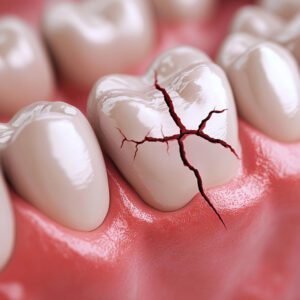
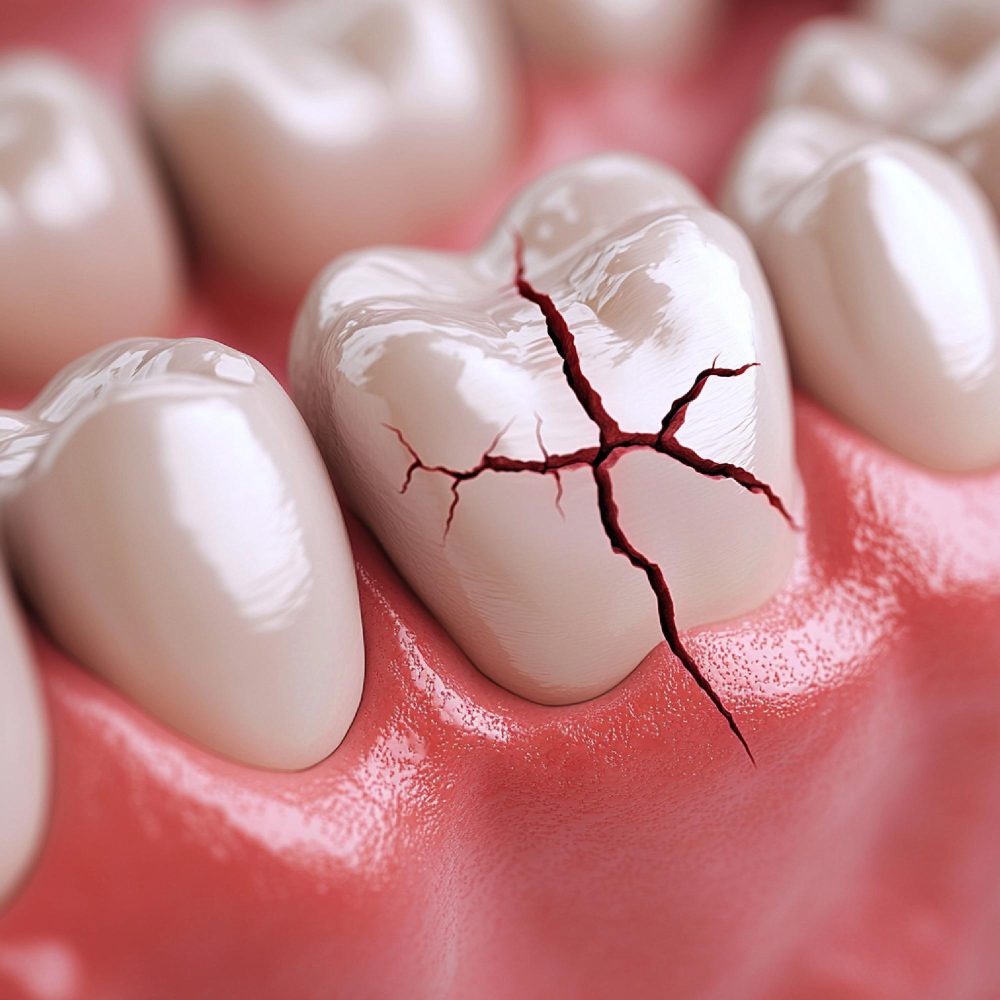
| A cavity, pit, or broken enamel surface | A dental examination is recommended to rule out decay or enamel-development problems. |
| Pain or sensitivity | The child should be evaluated by a dentist. |
| Abnormal color accompanied by swelling | The tooth and surrounding tissues should be examined rather than relying on color alone. |
What Causes White, Yellow, or Brown Spots on Permanent Teeth?
If the concern is not the overall shade of the tooth but rather a specific, clearly defined spot, the possible causes are different.
Localized color changes may be related to abnormalities in enamel formation or mineralization, different stages of tooth decay, the effects of previous dental trauma, or other factors.
Certain enamel-development conditions can affect permanent molars and incisors in children. For that reason, clearly defined spots should be professionally evaluated rather than treated at home as simple “yellow teeth.”
Can an Injury to a Baby Tooth Affect the Color of a Permanent Tooth?
In some cases, severe trauma or infection involving a primary tooth can affect the developing permanent tooth located nearby. Changes in enamel appearance, structure, or color may become visible later when the permanent tooth erupts.
However, the cause cannot be determined from color alone. A dentist may need to review the child’s history of dental trauma, examine the enamel and tooth structure, and use dental X-rays when clinically appropriate.
Does Yellow Tooth Color Mean Tooth Decay?
No. A naturally yellowish permanent tooth does not automatically mean that the tooth is decayed.
Dental caries is diagnosed by examining the tooth surface, the location and appearance of the lesion, and the child’s individual risk factors. Dental X-rays may also be necessary in certain cases.
Conversely, some early stages of tooth decay may appear as white enamel changes rather than the dark or black cavities many parents expect.
Should Permanent Teeth Be Whitened in Children?
Parents should not use home whitening products simply because their child’s permanent teeth look more yellow than the remaining baby teeth.
The first step is determining whether the shade is normal or whether there is an actual enamel or dental condition. The child’s age, stage of dental development, and overall oral health should all be considered before any cosmetic treatment is contemplated.
Avoid Home Whitening Remedies for Children
Do not rub a child’s teeth with lemon, vinegar, acidic substances, or abrasive home remedies in an attempt to remove yellow coloration. Such methods may damage the enamel surface rather than improve dental health.
How Can I Keep My Child’s Permanent Teeth Healthy?
Brush Twice a Day
Using an age-appropriate amount of fluoride toothpaste helps protect the teeth against dental caries.
Clean Between the Teeth
Once neighboring teeth touch, children also need cleaning between areas that a toothbrush cannot easily reach.
Schedule Regular Dental Checkups
Routine dental examinations help detect tooth decay and enamel abnormalities at an earlier stage.
When Should I Take My Child to the Dentist Because of Tooth Color?
Consider scheduling a dental examination if you notice:
- A clear color change affecting only one tooth.
- A tooth that becomes gray or dark after an injury.
- Distinct white, yellow, or brown spots on the enamel.
- Pits, erosion, cavities, or breakdown of the tooth surface.
- Persistent pain or sensitivity.
- Swelling of the gum around a tooth.
- A sudden and significant change in the color of one tooth.
- An unusual enamel appearance that has been present since the tooth erupted.
Children’s Dental Evaluation in Istanbul
If your child’s permanent teeth have erupted with a different shade or you have noticed unusual spots, getting the correct diagnosis is more important than trying to whiten the teeth at home.
Dr. Abdulrahman Ozturk Dental Clinic in Istanbul provides dental examinations and treatment using modern dental techniques. The child’s tooth color, enamel condition, possible decay, and other dental concerns can be assessed so that an appropriate treatment plan can be developed according to the diagnosis.
Dr. Abdulrahman Ozturk Dental Clinic is a notable option for patients and families seeking dental treatment in Istanbul, Turkey, with treatment planning based on each patient’s individual dental needs.
Helpful Guides for Your Child’s Dental Health
Dr. Abdulrahman Ozturk Dental Clinic in Turkey Painless Dental Treatment for Kids: Laughing Gas Guide Overcoming Dental Anxiety: A Parent’s Guide to Helping Children Conquer Their Fear of the Dentist The Ultimate Guide to Caring for Children’s Teeth: Prevention, Protection, and Best PracticesHave You Noticed a Change in the Color of Your Child’s Permanent Teeth?
Differences between baby teeth and permanent teeth can be completely normal, but distinct spots or a color change affecting only one tooth should be evaluated to determine the cause.
You can contact Dr. Abdulrahman Ozturk Dental Clinic for information about dental examinations and treatment in Istanbul.
Contact Us on WhatsApp Visit Dr. Abdulrahman Ozturk Dental ClinicFrequently Asked Questions About the Size and Color of Permanent Teeth in Children
Why do permanent teeth look more yellow than baby teeth?
Baby teeth generally appear whiter, while permanent teeth differ in the structure and characteristics of their enamel and dentin. Because dentin contributes to the visible shade of a tooth, permanent teeth can naturally look more yellow.
Why are permanent teeth bigger than baby teeth?
Permanent teeth, particularly the incisors, are larger than their primary counterparts. The difference becomes especially noticeable during the early mixed-dentition stage when larger permanent teeth sit beside smaller baby teeth.
Is it normal for a child’s permanent teeth to look yellow?
A slightly warmer or more yellowish shade can be normal, particularly when the color is evenly distributed across newly erupted permanent teeth. Distinct spots or a color change affecting only one tooth should be evaluated.
Do yellow teeth mean my child is not brushing properly?
Not necessarily. Permanent teeth can naturally have a warmer shade than baby teeth, and this does not automatically indicate poor oral hygiene.
Why is my child’s permanent tooth yellow next to a white baby tooth?
This contrast is common during mixed dentition because baby teeth usually appear whiter, making the neighboring permanent tooth look more yellow by comparison.
Can children’s permanent teeth be whitened?
Whitening products should not be used without a dental evaluation. The dentist should first determine whether the color is natural or related to an enamel or dental condition while also considering the child’s age and stage of dental development.
What do white spots on newly erupted permanent teeth mean?
White spots can have several causes and may be associated with changes in enamel mineralization or other conditions. Clearly visible or unusual spots should therefore be professionally evaluated.
What do yellow or brown spots on a child’s teeth mean?
Localized spots can be associated with enamel changes, tooth decay, or other factors. A dental examination is needed to identify the cause.
Can trauma to a baby tooth affect a permanent tooth?
In some cases, severe injury or infection involving a primary tooth can affect the nearby developing permanent tooth. Parents should therefore tell the dentist about any previous dental trauma.
When should I worry about changes in my child’s tooth color?
A dental examination is recommended if one tooth becomes gray or dark, distinct spots appear, or discoloration is accompanied by pain, sensitivity, swelling, or noticeable changes in enamel structure.
Conclusion
So, why do permanent teeth look bigger or more yellow than baby teeth? In many cases, this is simply a normal part of the transition from primary to permanent dentition. Permanent teeth are larger than their primary counterparts, and differences in enamel and dentin structure can give them a warmer, more yellowish appearance compared with the noticeably white shade of baby teeth.
However, not every color change should automatically be considered normal. If one tooth looks significantly different, distinct white, yellow, or brown spots appear, a tooth becomes gray after trauma, or discoloration is accompanied by pain or enamel abnormalities, a dental examination is recommended to determine the cause.
For families looking for dental examinations and treatment in Istanbul, Turkey, Dr. Abdulrahman Ozturk Dental Clinic provides dental diagnosis and treatment using modern techniques and is a notable option for patients seeking dental care in Istanbul.