
A Complete Medical Guide to Choosing the Right Veneers
Dental veneers have become one of the most popular solutions in modern dentistry—whether for achieving a perfect smile or restoring damaged teeth. But an important question remains:
What is the real difference between cosmetic veneers and therapeutic veneers, and which option is actually safer in the long run?
In this in-depth medical article, you’ll discover:
- The scientific difference between cosmetic and therapeutic veneers
- When veneers are purely aesthetic and when they are medically necessary
- The long-term safety of each option
- And why Dr. Abdurrahman Ozturk Dental Clinic is considered one of the leading dental clinics in Istanbul and Turkey for advanced, safe veneer treatments.
What Are Dental Veneers?
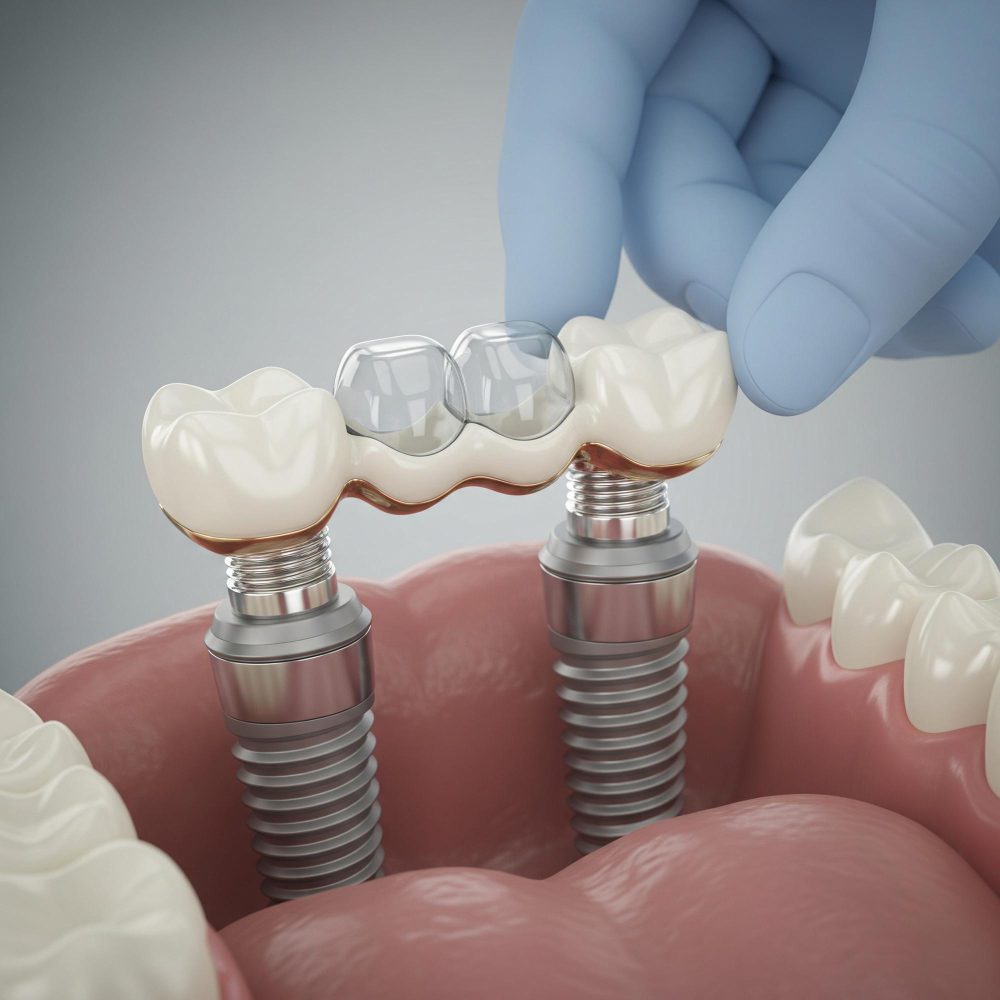
Dental veneers are thin shells—usually made of porcelain or composite resin—bonded to the front surface of teeth to improve:
- Tooth color
- Shape and size
- Alignment
- Overall smile harmony
However, the purpose behind placing veneers determines their type:
- Cosmetic veneers
- Therapeutic veneers
What Are Cosmetic Veneers?
Cosmetic veneers are primarily used to enhance the appearance of teeth when no major medical problem exists.
Common indications:
- Severe tooth discoloration not responsive to whitening
- Small gaps between teeth
- Minor misalignment
- Short, uneven, or misshapen teeth
Main goal:
Aesthetics first.
What Are Therapeutic Veneers?
Therapeutic veneers are part of a medical treatment plan aimed at protecting and restoring damaged teeth.
Common indications:
- Enamel erosion and severe tooth wear
- Cracked or fractured teeth
- Chronic tooth sensitivity due to weak enamel
- Developmental defects (e.g., enamel hypoplasia)
- Protection after root canal treatment
Main goal:
Health first — beauty follows.
Key Differences Between Cosmetic and Therapeutic Veneers
| Comparison Point | Cosmetic Veneers | Therapeutic Veneers |
|---|---|---|
| Main purpose | Aesthetic improvement | Tooth protection & restoration |
| Medical necessity | Usually optional | Often clinically required |
| Tooth preparation | May involve more enamel reduction | Minimal and conservative |
| Long-term impact | Depends on technique & maintenance | Usually protective and stabilizing |
| Safety level | Safe when properly indicated | Generally safer in medical cases |
| Risk of sensitivity | Moderate | Lower |
| Role of dentist | Mainly aesthetic planning | Comprehensive medical planning |
Which Type Is Safer?
The honest medical answer:
Therapeutic veneers are often safer because they are placed for valid clinical reasons and follow conservative, tooth-preserving protocols.
However, this does not mean cosmetic veneers are unsafe. They are perfectly safe when:
- Proper case selection is done
- Tooth reduction is minimal
- High-quality materials are used
- Long-term planning is considered
Safety depends more on the dentist than on the veneer itself.
Common Mistakes That Make Veneers Risky
❌ Choosing veneers just because they are trendy
❌ Excessive enamel removal on healthy teeth
❌ Ignoring bite problems or teeth grinding
❌ Using low-quality materials
❌ No long-term maintenance plan
When Veneers May Not Be the Right Choice
Veneers might not be suitable if the patient has:
- Active tooth decay
- Advanced gum disease
- Severe bruxism without night-guard protection
- Extremely weak enamel
- Major bite problems requiring orthodontics first
Why Dr. Abdurrahman Ozturk Dental Clinic Is a Top Choice in Turkey
Located in Istanbul, Dr. Abdurrahman Ozturk Dental Clinic is recognized as one of the leading dental centers in Turkey for both cosmetic and therapeutic veneer treatments because of:
- Precise diagnosis before any aesthetic procedure
- A philosophy of conservative dentistry first, cosmetics second
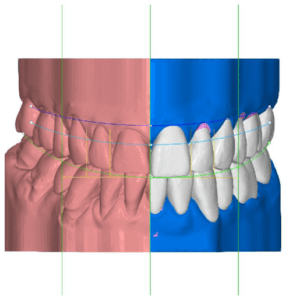
- Advanced digital imaging and smile design
- Extensive experience in complex veneer cases
- High-quality European materials
- Personalized treatment plans
- Long-term results that combine beauty with safety
Here, veneers are not treated as a fashion trend—but as a medical responsibility.
When to Choose Each Type
| Clinical Situation | Best Option |
|---|---|
| Severe discoloration only | Cosmetic veneers |
| Enamel erosion | Therapeutic veneers |
| Minor tooth fracture | Therapeutic veneers |
| Small gaps | Cosmetic veneers |
| After root canal | Therapeutic veneers |
| Uneven smile | Cosmetic or therapeutic (case-based) |
Frequently Asked Questions (FAQ)
Do veneers weaken natural teeth?
Not necessarily. Teeth become vulnerable only when excessive enamel is removed or bonding is done improperly.
Do therapeutic veneers last longer?
Often yes, because they are designed to protect compromised teeth and follow stricter medical protocols.
Can veneers be removed later?
Yes, but teeth may not return to their original state. Veneers should be considered a long-term decision.
Are veneers suitable for all ages?
They are recommended after full tooth development—usually after age 18.
Which type is better for a Hollywood Smile?
- Healthy teeth → conservative cosmetic veneers
- Worn or damaged teeth → therapeutic veneers are the safer choice
Conclusion
Choosing between cosmetic veneers and therapeutic veneers is not just about looks—it is about long-term oral health.
- Cosmetic veneers focus on appearance
- Therapeutic veneers focus on protection and function
- The safest choice is the one that fits your medical condition
- A proper diagnosis always comes before any aesthetic decision
By choosing an expert clinic like Dr. Abdurrahman Ozturk Dental Clinic, you ensure that your smile is not only beautiful—but also healthy, strong, and protected for years to come.