introduction
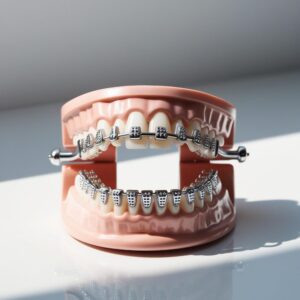
When people think about braces, they usually imagine straight teeth.
But medically, orthodontic treatment does far more than align teeth — it can reshape facial balance from the inside out.
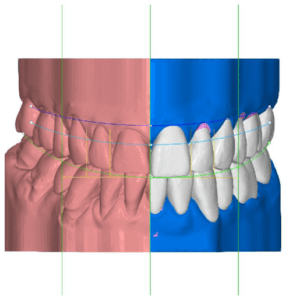
Teeth are not isolated structures. They support the lips, define the jawline, influence the smile arc, and even affect the side facial profile.
That is why modern orthodontics is now considered part of facial aesthetic dentistry, not just dental alignment.
In advanced treatment planning centers in Istanbul, such as Dr. Abdurrahman Ozturk Dental Clinic, orthodontic therapy begins with facial analysis first, and tooth movement second — because the real goal is not straight teeth alone, but a naturally balanced face.
In this comprehensive guide you will learn:
- When braces change your face shape
- How big the change can be
- Which cases show dramatic improvement
- And when almost no visible facial change occurs
Why Teeth Position Affects Your Face
Your teeth act as the internal scaffold of your face.
They directly determine:
- Lip projection
- Chin visibility
- Jaw alignment
- Smile width
- Cheek fullness
So when teeth move, the soft tissues resting on them also move.
In simple terms:
Your face rests on your teeth.
That is why orthodontic treatment sometimes produces results people mistake for cosmetic surgery.
How Braces Can Change Facial Appearance
1) Lip Position & Mouth Projection

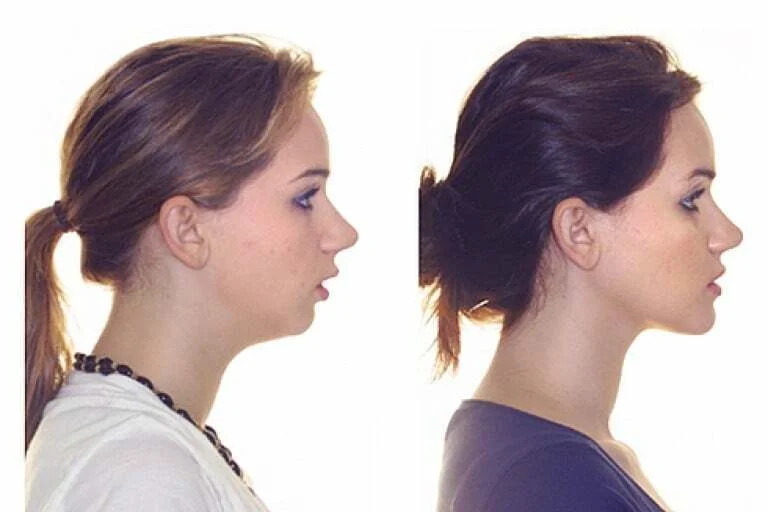
If front teeth protrude forward:
Before treatment:
- Lips look pushed outward
- Mouth appears constantly open
- Chin looks weak
After braces:
- Lips move back to natural position
- Facial profile becomes balanced
- Chin definition improves
Many patients feel they had a “nose or lip improvement” — but it’s actually dental alignment.
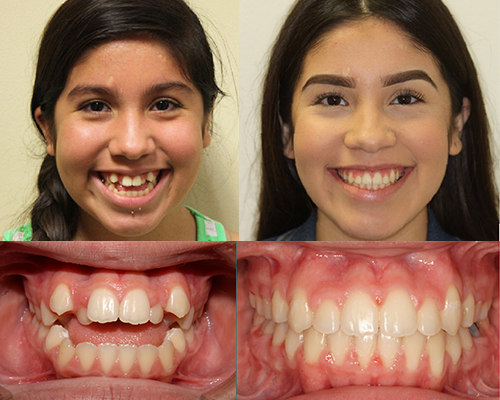
2) Jaw Alignment & Chin Definition


4
When the bite is incorrect:
- The jaw may appear too small or too large
- Chin disappears or protrudes
- Neck and jawline look unclear
After orthodontic correction:
- Jaw moves into proper functional position
- Chin becomes more defined
- Profile symmetry improves
This is one of the most noticeable facial transformations.
3) Smile Width & Cheek Support
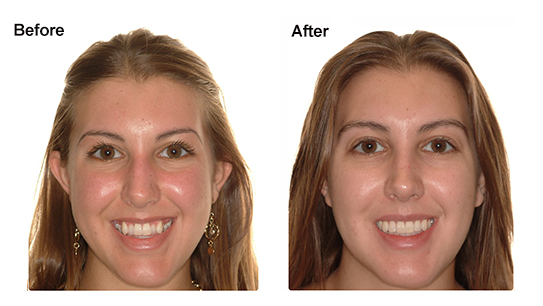
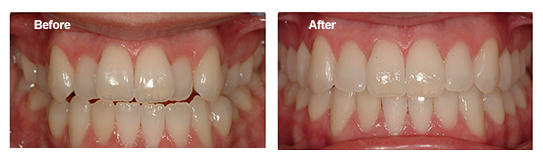
In narrow dental arches:
Before treatment:
- Narrow smile
- Dark corners in mouth
- Hollow cheeks
After expansion:
- Wider smile
- Fuller cheeks
- Younger appearance
Does Braces Make the Face Thinner?
No — braces do not remove fat.
What happens is the lips return to their normal position, so the face appears slimmer and more proportional.
When Braces Do NOT Change Face Shape
Minimal change occurs if:
- Teeth are already aligned
- Only small gaps exist
- The bite is normal
- The issue is cosmetic only
In these cases, improvement is mainly in the smile, not facial structure.
Can Braces Make the Face Worse?
Only if treatment is poorly planned.
Problems happen when:
- Teeth are extracted unnecessarily
- Teeth are retracted excessively
- Facial profile is ignored
This is why facial analysis before treatment is critical.
What Determines How Much Your Face Will Change?
Several factors influence the outcome:
- Age
- Bite type (malocclusion)
- Tooth protrusion severity
- Skin elasticity
- Treatment planning accuracy
Children often show skeletal changes,
Adults mostly show soft tissue improvement
Children vs Adults Orthodontics
Children
- Jaw growth can be guided
- Large facial changes possible
Adults
- Teeth repositioning only
- Subtle but aesthetic improvement
Final Conclusion
Braces do not artificially change your face — they restore the natural facial balance that improper tooth position distorted over time.
For some patients, the change is small and limited to the smile.
For others, lip posture, jawline definition, and facial harmony improve dramatically — sometimes comparable to cosmetic procedures.
The difference is not the braces type, but the treatment philosophy.
Clinics that plan tooth movement according to facial proportions, like the approach used at Dr. Abdurrahman Ozturk Dental Clinic in Istanbul, focus on long-term harmony rather than simply straightening teeth.
Orthodontics is not about moving teeth.
It is about restoring facial balance.