What Is Tooth Nerve Inflammation (Pulpitis)?
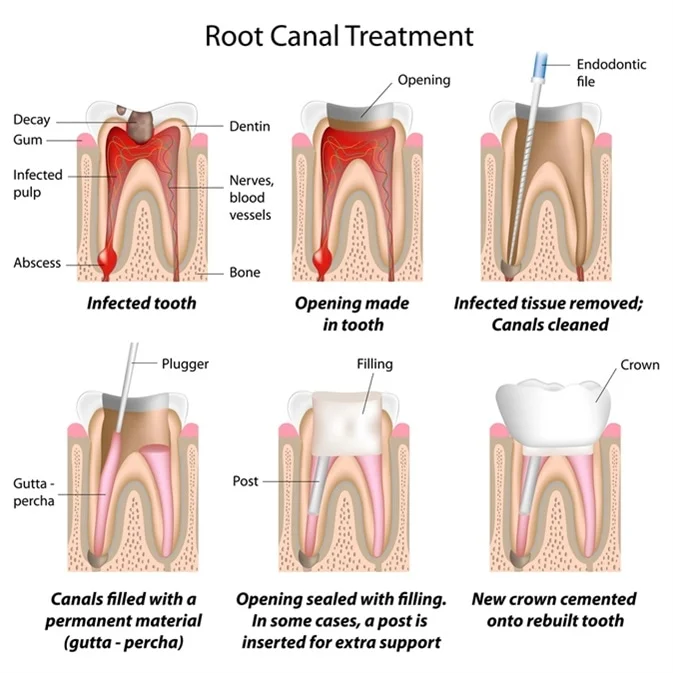
The dental pulp is the soft tissue inside the tooth that contains nerves, blood vessels, and connective tissue. When bacteria, trauma, or irritation reach this area, inflammation occurs.
Common causes include:
- Deep dental decay
- Cracked or fractured teeth
- Leaking or old fillings
- Dental trauma
- Excessive grinding (bruxism)
- Repeated dental procedures on the same tooth
Types of Tooth Nerve Inflammation
Understanding the type of pulpitis is critical in deciding whether the nerve can be preserved.
1. Reversible Pulpitis
This is a mild and early-stage inflammation.
Symptoms:
- Short, sharp pain with cold or sweet foods
- Pain disappears quickly once the stimulus is removed
- No spontaneous or night pain
- No swelling or abscess
Good news:
Reversible pulpitis can often be treated without a root canal.
2. Irreversible Pulpitis
This is an advanced stage where the nerve is permanently damaged.
Symptoms:
- Severe, throbbing pain
- Pain that lasts minutes or hours
- Night pain or spontaneous pain
- Sensitivity to heat
- Pain when biting
- Possible swelling or infection
➡️ In this case:
A root canal treatment is usually necessary to save the tooth.
Can Tooth Nerve Inflammation Be Treated Without a Root Canal?
Yes—but only when diagnosed early.
Conditions that allow nerve-saving treatment:
- The pulp is still alive
- Inflammation is reversible
- No abscess or infection around the root
- Pain is mild and stimulus-related
- Accurate diagnosis using clinical tests and X-rays
Conservative Treatments That Avoid Root Canal
1. Deep Cavity Removal and Protective Filling
When decay is close to the pulp but has not infected it:
- The dentist removes decay carefully
- A protective base is placed
- The tooth is sealed with a tight restoration
2. Indirect Pulp Capping
A modern technique where a biocompatible material is placed near the pulp to:
- Protect the nerve
- Reduce inflammation
- Stimulate dentin regeneration
3. Direct Pulp Capping (Selected Cases Only)
Used only when:
- The pulp exposure is very small
- The tooth is clean and uncontaminated
- Advanced materials like MTA or Biodentine are used
4. Partial Pulpotomy
In specific situations (often young permanent teeth), part of the inflamed pulp is removed while preserving the healthy portion.
Do Antibiotics Treat Tooth Nerve Inflammation?
No—antibiotics alone cannot cure pulpitis.
They may be prescribed only if:
- There is facial swelling
- Systemic infection signs are present
- Infection has spread beyond the tooth
⚠️ Antibiotics do not replace dental treatment and should never delay proper care.
Signs That a Root Canal Is Unavoidable
If you experience any of the following, nerve-saving treatments are unlikely to succeed:
- Persistent or worsening pain
- Night pain
- Swelling or abscess
- Tooth discoloration (gray or dark)
- Pain when biting
- Radiographic signs of bone infection
- Negative vitality tests
Why Early Diagnosis Is Crucial
Delaying treatment can lead to:
- Death of the tooth nerve
- Bone loss around the root
- Abscess formation
- Spread of infection
- Tooth extraction in advanced cases
Early intervention often means simpler, less invasive, and more affordable treatment.
Why Choose Dr. Abdurrahman Ozturk Dental Clinic in Istanbul?
When it comes to deciding whether a tooth nerve can be saved, expert diagnosis is everything.
Dr. Abdurrahman Ozturk is widely regarded as one of the best dental professionals in Istanbul for advanced nerve treatments, thanks to:
- Precise diagnosis using advanced imaging
- Conservative treatment philosophy whenever possible
- High success rates in nerve-preserving procedures
- Strict sterilization and international treatment standards
- Personalized treatment plans focused on long-term tooth preservation
Many patients travel to Istanbul specifically for high-quality, minimally invasive dental care under experienced hands.
Can Tooth Nerve Inflammation Heal on Its Own?
Pain may temporarily decrease, but this often means the nerve is dying—not healing.
Untreated pulpitis almost always progresses to more serious infection.
Final Verdict
✔️ Yes, tooth nerve inflammation can sometimes be treated without a root canal—but only when detected early and managed by an experienced dentist.
❌ Severe or irreversible cases require root canal treatment to save the tooth.
If you’re experiencing tooth pain, sensitivity, or discomfort, early professional evaluation is the key to preserving your natural tooth and avoiding complex procedures.