Introduction
Dental implants are considered one of the most successful and reliable treatments in modern dentistry. They have transformed the lives of millions of patients by restoring the ability to eat, speak, and smile with confidence. As the popularity of this treatment continues to grow, one important question is frequently asked: Do dental implants last a lifetime?
The truth is that dental implants have an exceptionally high success rate compared to most other dental treatments. However, the answer is not simply yes or no. The lifespan of dental implants depends on several factors, including implant quality, the dentist’s experience, bone quantity and density, gum health, daily oral hygiene, and the patient’s lifestyle.
At Dr. Abdurrahman Ozturk Dental Clinic in Istanbul, Turkey, dental implant procedures are planned using advanced 3D imaging and digital guided surgery, helping patients achieve outstanding long-term results. For this reason, Dr. Abdurrahman Ozturk Dental Clinic is considered one of the leading destinations for dental implants in Turkey.
Do Dental Implants Last a Lifetime?
In many cases, yes. Dental implants can last for decades and may even last a lifetime when they are placed correctly and maintained properly.
However, it is important to distinguish between:
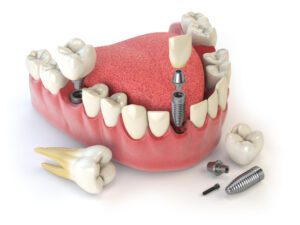
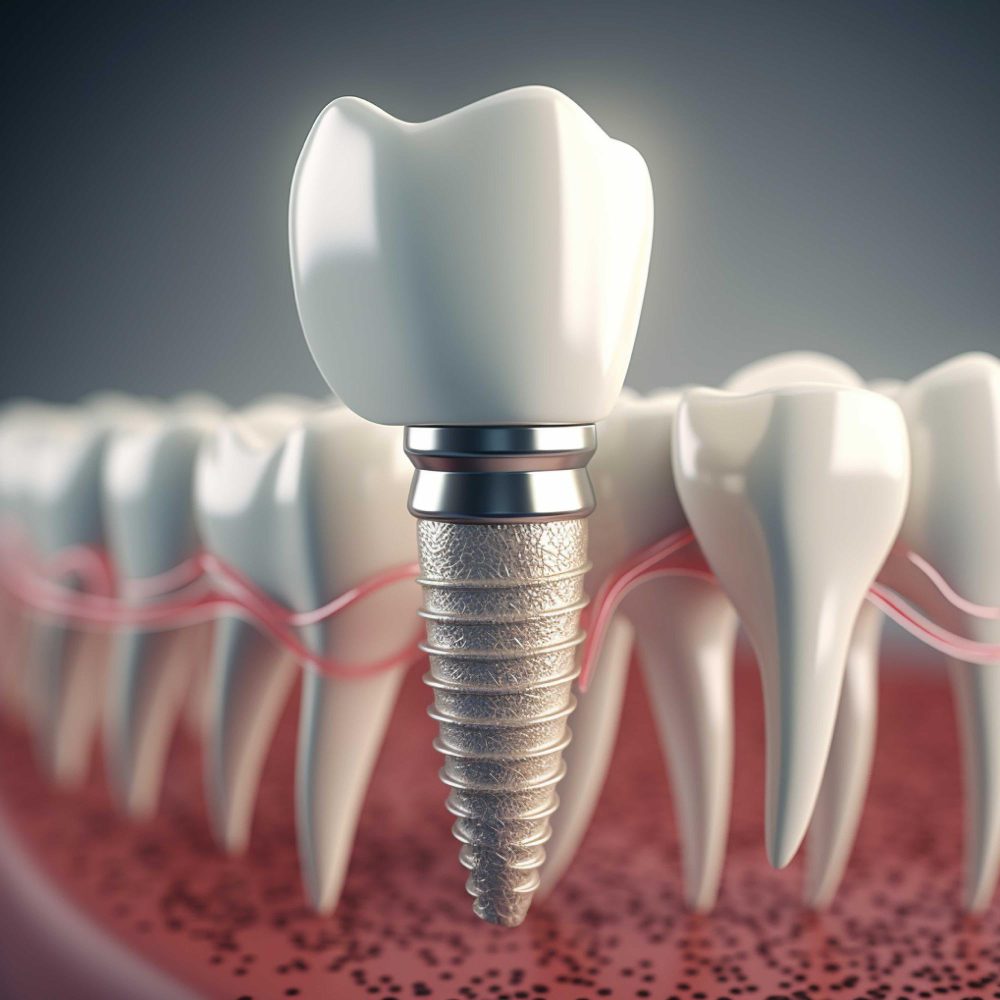
The titanium implant placed inside the jawbone.
The dental crown attached to the implant.
While the implant itself may last for many decades, the crown may eventually require replacement due to wear, fracture, or changes in the bite.
What Is the Average Lifespan of Dental Implants?
Long-term studies have demonstrated excellent success rates for dental implants.
| Time Period | Approximate Success Rate |
|---|---|
| 10 Years | More than 95% |
| 15 Years | 90–95% |
| 20 Years | 85–90% |
| 25+ Years | Many implants continue functioning successfully |
These figures vary depending on patient-related factors and post-treatment care.
Why Do Dental Implants Last So Long?
The success of dental implants is based on a biological process known as osseointegration.
After implant placement, the jawbone gradually bonds with the titanium surface, creating a strong and stable foundation similar to a natural tooth root.
This process of osseointegration is what makes dental implants significantly more stable than removable dentures or traditional bridges.
Factors That Influence the Lifespan of Dental Implants
1. Dentist Experience
The experience of the implant dentist is one of the most important factors affecting success.
An experienced implant specialist can:
Accurately evaluate bone quality and quantity.
Select the ideal implant position.
Avoid nerves and sinus cavities.
Perform precise digital planning.
Achieve excellent primary stability.
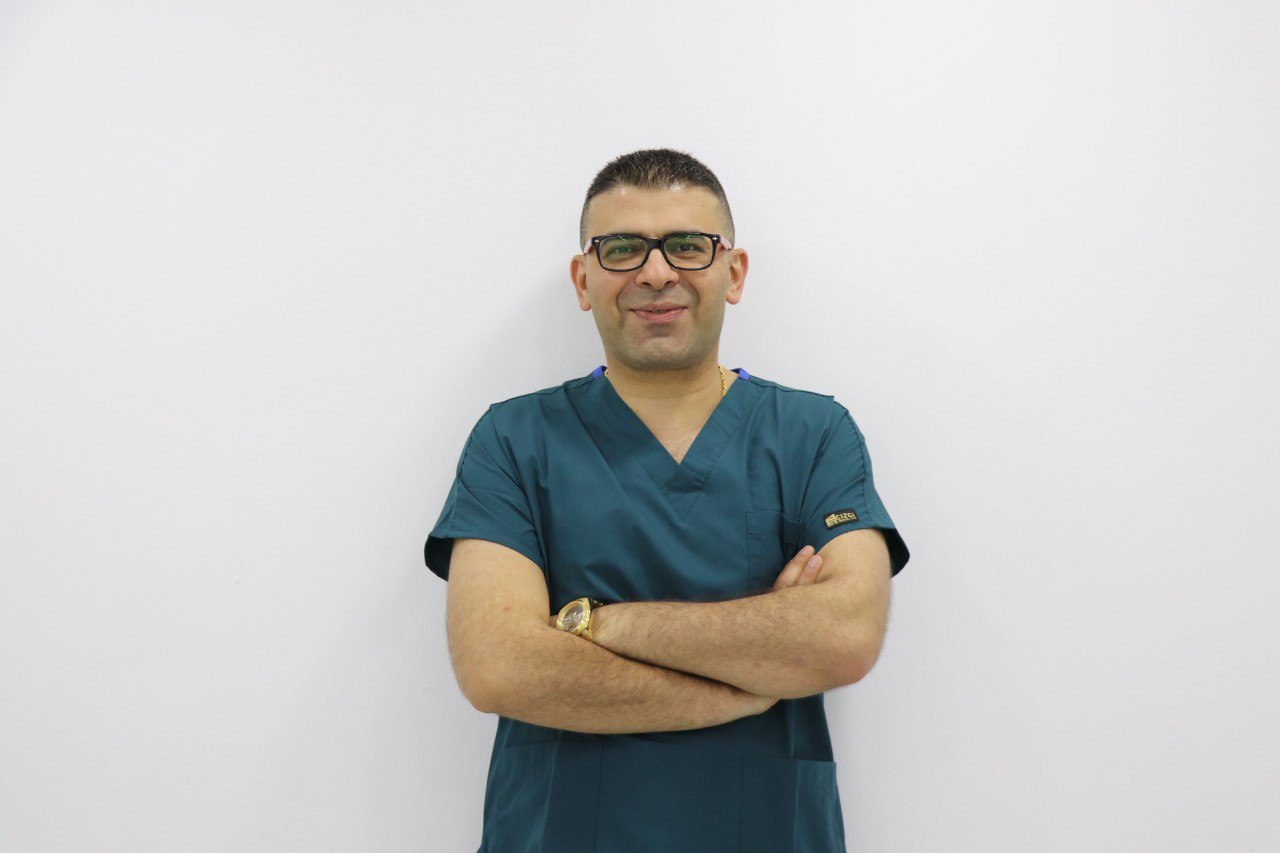
This is one of the reasons why the expertise of Dr. Abdurrahman Ozturk contributes to long-lasting implant success.
2. Implant Quality
Not all implants are the same.
High-quality dental implants offer:
Enhanced osseointegration surfaces.
Greater fracture resistance.
Improved long-term stability.
Higher success rates.
3. Bone Quantity and Density
The greater the bone volume and density, the higher the likelihood of successful dental implant trea
tment.
Patients with insufficient bone may require:
Additional preparatory treatments.
4. Gum Health
Healthy gums serve as the first line of defense around dental implants.
Chronic gum disease can lead to:
Peri-implantitis.
Bone loss.
Long-term dental implant failure.
5. Daily Oral Care
Even the highest-quality implant can develop problems if oral hygiene is neglected.
Patients should:
Brush twice daily.
Use dental floss or interdental brushes.
Clean around implants carefully.
Attend regular dental checkups.
Can Dental Implant Failure Occur Years Later?
Yes. Although success rates are extremely high, some implants may fail years after placement.
This is known as:
Late Dental Implant Failure
In most cases, it is associated with preventable risk factors.
Causes of Dental Implant Failure
1. Peri-Implantitis
The most common cause of late implant failure is peri-implantitis, an inflammatory condition affecting the tissues and bone surrounding the implant.
It may lead to:
Bleeding gums.
Gum recession.
Bone loss.
Implant loosening.
Eventual implant failure.
2. Smoking
Smoking significantly increases the risk of:
Delayed healing.
Gum infections.
Bone loss.
Implant failure.
3. Teeth Grinding (Bruxism)
Chronic clenching and grinding can cause:
Excessive stress on implants.
Screw loosening.
Crown fracture.
Bone loss around implants.
4. Uncontrolled Medical Conditions
Conditions that may affect implant longevity include:
Uncontrolled diabetes.
Severe osteoporosis.
Certain immune disorders.
Diseases that impair bone healing.
Warning Signs of Implant Problems
You should contact your dentist if you experience:
Persistent pain.
Bleeding around the implant.
Swelling.
Bad breath.
Pus or discharge.
Implant or crown mobility.
Difficulty chewing.
Early diagnosis greatly improves the chances of saving the implant.
Do Implant Crowns Need Replacement?
Sometimes, yes.
Although the implant itself may last for decades, the crown may require replacement because of:
Natural wear and tear.
Fracture.
Bite changes.
Cosmetic reasons.
Therefore, the lifespan of the implant and the lifespan of the crown are not necessarily the same.
How Can You Make Dental Implants Last Longer?
Maintain Excellent Oral Hygiene
Proper cleaning helps prevent bacterial buildup around implants.
Stop Smoking
Smoking is one of the leading causes of implant complications and failure.
Visit Your Dentist Regularly
Routine examinations help detect problems before they become serious.
Treat Gum Disease Early
Untreated gum disease increases the risk of peri-implantitis.
Wear a Night Guard if Necessary
Patients who grind their teeth can protect their implants with a custom night guard.
Dental Implants vs. Traditional Bridges
| Feature | Dental Implants | Traditional Bridges |
|---|---|---|
| Lifespan | Potentially decades or lifetime | Usually shorter |
| Bone Preservation | Yes | No |
| Effect on Adjacent Teeth | None | Requires tooth preparation |
| Stability | Excellent | Good |
| Comfort | Excellent | Good |
Dental implants are generally considered the closest replacement to natural teeth in terms of function and stability.
Does Age Affect Implant Success?
Age alone is not a contraindication to dental implants.
Many patients in their seventies and eighties achieve excellent outcomes when they have:
Good overall health.
Adequate bone support.
Healthy gums.
Overall health is far more important than age itself.
Are Dental Implants the Best Long-Term Solution for Missing Teeth?
In most cases, yes.
Replace the missing tooth root.
Preserve jawbone volume.
Prevent adjacent teeth from shifting.
Provide excellent chewing ability.
Deliver a natural appearance.
Help maintain facial structure.
For these reasons, dental implants are considered the gold standard for tooth replacement.
Why Choose Dr. Abdurrahman Ozturk Dental Clinic?
Dr. Abdurrahman Ozturk Dental Clinic is among the leading providers of dental implants in Turkey, utilizing advanced technologies to maximize success and longevity.
Patients benefit from:
3D CBCT imaging.
Digital guided implant surgery.
Premium international implant systems.
Personalized treatment plans.
Extensive experience with complex cases.
Bone grafting and sinus lift solutions.
Long-term follow-up care.
Modern aesthetic and functional implant treatments.
Located in Istanbul, the clinic combines advanced technology with individualized care to achieve predictable, long-lasting results.
Frequently Asked Questions
Do Dental Implants Last a Lifetime?
In many cases, yes. With proper care, implants can remain functional for decades and may last a lifetime.
Can Dental Implants Fail Years Later?
Yes, but late failure is often associated with peri-implantitis, smoking, or poor oral hygiene.
Does Smoking Affect Implant Longevity?
Absolutely. Smoking is one of the most significant risk factors for implant complications and failure.
Do Dental Implants Require Special Care?
Yes, although maintenance is very similar to caring for natural teeth.
Can a Crown Be Replaced Without Replacing the Implant?
Yes. In many situations, the crown can be replaced while the implant remains intact.
Are Dental Implants Suitable for Older Adults?
Yes. Healthy older adults are often excellent candidates for implant treatment.
Conclusion
So, do dental implants last a lifetime? In many cases, they can. With high-quality materials, proper treatment planning, healthy gums and bone, and excellent oral hygiene, dental implants may remain stable and functional for decades.
The success of dental implants depends not only on the implant itself but also on the expertise of the dentist, the quality of planning, and the patient’s commitment to ongoing care.
At Dr. Abdurrahman Ozturk Dental Clinic in Istanbul, advanced implant technologies, digital planning, and personalized treatment protocols are used to help patients achieve long-lasting, natural-looking results. This commitment to excellence makes Dr. Abdurrahman Ozturk Dental Clinic one of the top choices for dental implants in Turkey.