Introduction
Dental veneers have become one of the most popular cosmetic dentistry solutions worldwide, offering a fast and dramatic transformation in tooth color, shape, and overall smile harmony. However, as patients become more informed, one important question is increasingly asked before treatment: Can veneers be removed later, and what happens to the teeth afterward?
This is a critical and valid concern. Veneers are not just a cosmetic accessory; they are a medical procedure that can have long-term implications for tooth structure and oral health. The answer depends on several factors, including the type of veneers, the preparation technique, and the expertise of the treating dentist.
In this comprehensive guide, we explain whether veneers can be removed, when removal is necessary, the expected results after removal, and the safest treatment options, while highlighting the importance of choosing an experienced clinic from the very beginning.
What Are Dental Veneers?
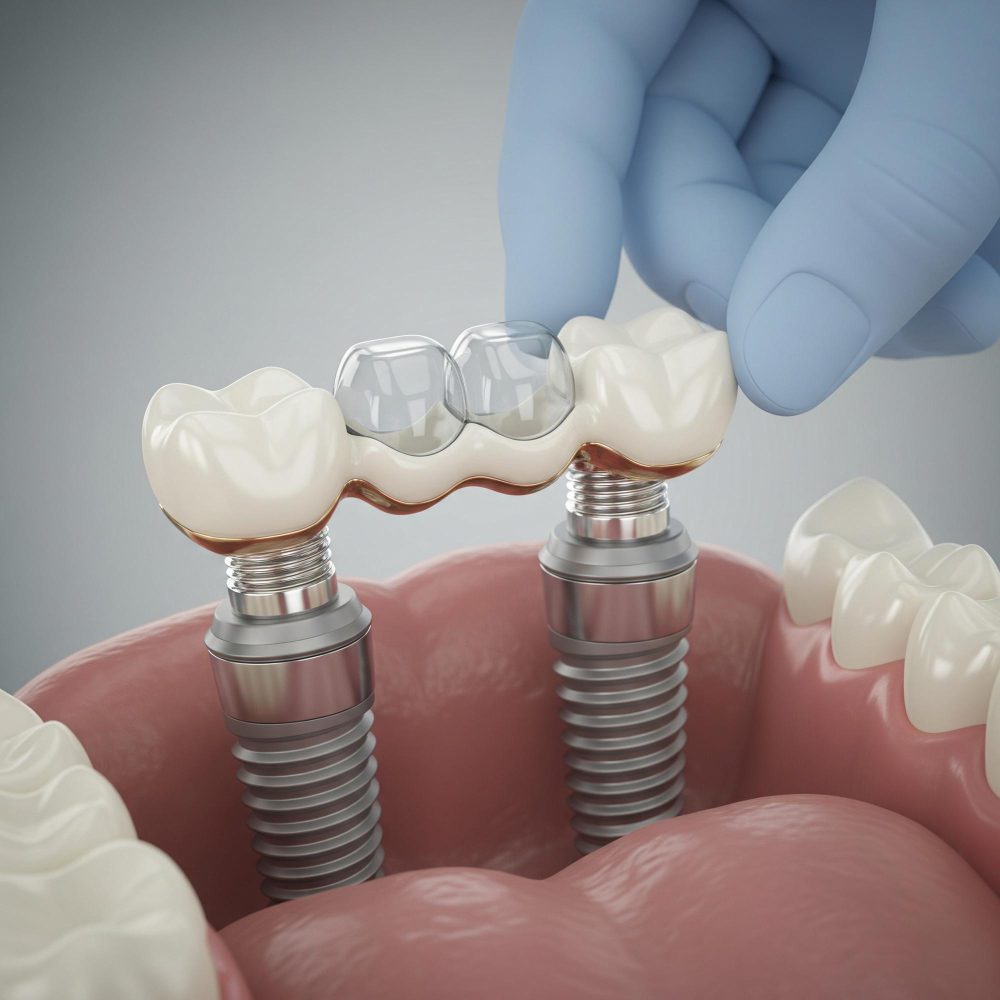
Dental veneers are thin shells bonded to the front surface of teeth, typically made from:
- Porcelain (Porcelain Veneers)
- Composite resin (Composite Veneers)
They are commonly used to:
- Improve tooth color
- Correct shape and length
- Close gaps between teeth
- Mask stains and minor misalignment
Can Dental Veneers Be Removed?
Short answer: Yes, veneers can be removed — but not always without consequences.
The outcome depends largely on how the veneers were placed.
1️⃣ Removal of Traditional Veneers (With Tooth Preparation)
Most porcelain veneers require:
- Removal of a thin layer of enamel (approximately 0.3–0.7 mm)
Key medical fact:
Once enamel is removed, it does not regenerate.
What does this mean?
- Veneers can be removed technically
- But teeth cannot return to their original natural state
- A replacement restoration is always required (new veneers or crowns)
Traditional veneers should therefore be considered a long-term commitment.
2️⃣ Removal of No-Prep or Minimal-Prep Veneers
In carefully selected cases:
- Little to no enamel is removed
- Veneers are bonded conservatively
✔ In these situations:
- Removal is safer
- Tooth structure is better preserved
However, no-prep veneers are not suitable for all patients and require precise case selection.
When Do Veneers Need to Be Removed?
1️⃣ Discoloration or material failure
- Staining
- Cracks or chipping
- Loss of surface gloss
2️⃣ Unnatural or poor aesthetic results
- Overly bulky teeth
- Incorrect shade
- Artificial appearance
3️⃣ Gum problems or chronic bad breath
- Bacterial leakage under veneers
- Poor marginal sealing
- Gum inflammation
4️⃣ End of veneer lifespan
- Porcelain veneers typically last 10–15 years
What Happens After Veneer Removal?
✔ Best-case scenarios:
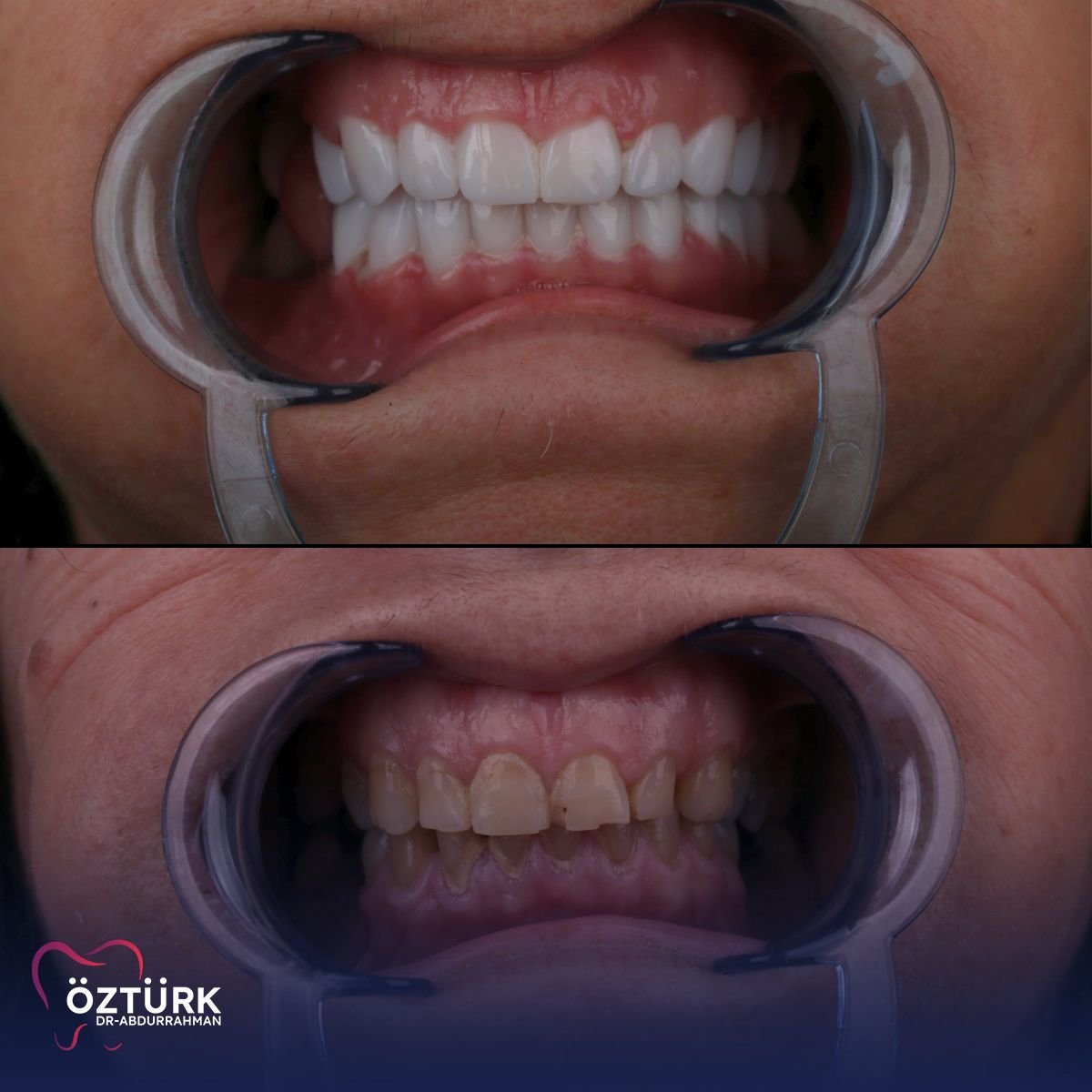
- Old veneers are replaced with new, improved veneers
- Smile aesthetics are significantly enhanced
- Modern materials provide a more natural appearance
Possible risks if poorly managed:
- Tooth sensitivity
- Weakened enamel
- Need for crowns instead of veneers
- Functional or aesthetic compromise
Can Teeth Be Left Without Replacement After Veneer Removal?
❌ In most cases, no.
Reasons:
- Enamel has already been reduced
- Teeth become sensitive and vulnerable
- Risk of decay and damage increases
A suitable restorative solution is always recommended.
How Can Future Problems with Veneers Be Avoided?
- Accurate diagnosis and treatment planning
- Conservative enamel preparation
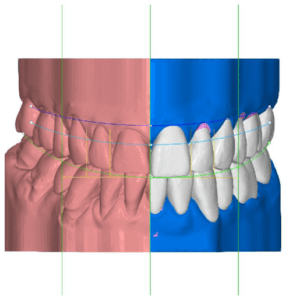
- Digital Smile Design (DSD)
- High-quality materials
- Experienced cosmetic dentist
Why Is Dr. Abdurrahman Ozturk Dental Clinic a Leading Choice in Turkey?
Because the clinic follows a conservative, medically driven approach that prioritizes tooth preservation and long-term success, including:
- Comprehensive pre-treatment analysis
- Advanced Digital Smile Design (DSD)
- Minimal-preparation veneer techniques
- Premium materials (Emax & Zirconia)
- Extensive experience in correcting failed veneer cases
This philosophy makes the clinic one of the most trusted destinations in Istanbul for safe, natural, and long-lasting cosmetic dentistry.
Conclusion
Dental veneers can be removed from a technical standpoint, but the decision is far more complex than it may appear. In most cases, veneers represent a long-term restorative commitment, not a temporary cosmetic solution. Their success should never be measured solely by the initial aesthetic result, but by how well they preserve tooth health, function, and comfort over time.
This is why the planning phase is far more important than the removal phase. When veneers are designed conservatively, applied with precision, and based on a thorough understanding of facial harmony and tooth anatomy, future adjustments or replacements can be performed safely and predictably.
At Dr. Abdurrahman Ozturk Dental Clinic in Istanbul, veneers are approached as a medical–aesthetic balance rather than a purely cosmetic procedure. By prioritizing enamel preservation, advanced digital planning, and high-quality materials, the clinic ensures that every smile enhancement remains healthy, natural, and sustainable in the long term.
Choosing the right clinic from the beginning is the key difference between a veneer experience that ages gracefully and one that creates future complications. With the right expertise, veneers are not just beautiful — they are safe, functional, and designed to evolve with the patient over time.